
Video: Screams Heard As Part Of Nepal Mountain Crumbles Into River In Seconds
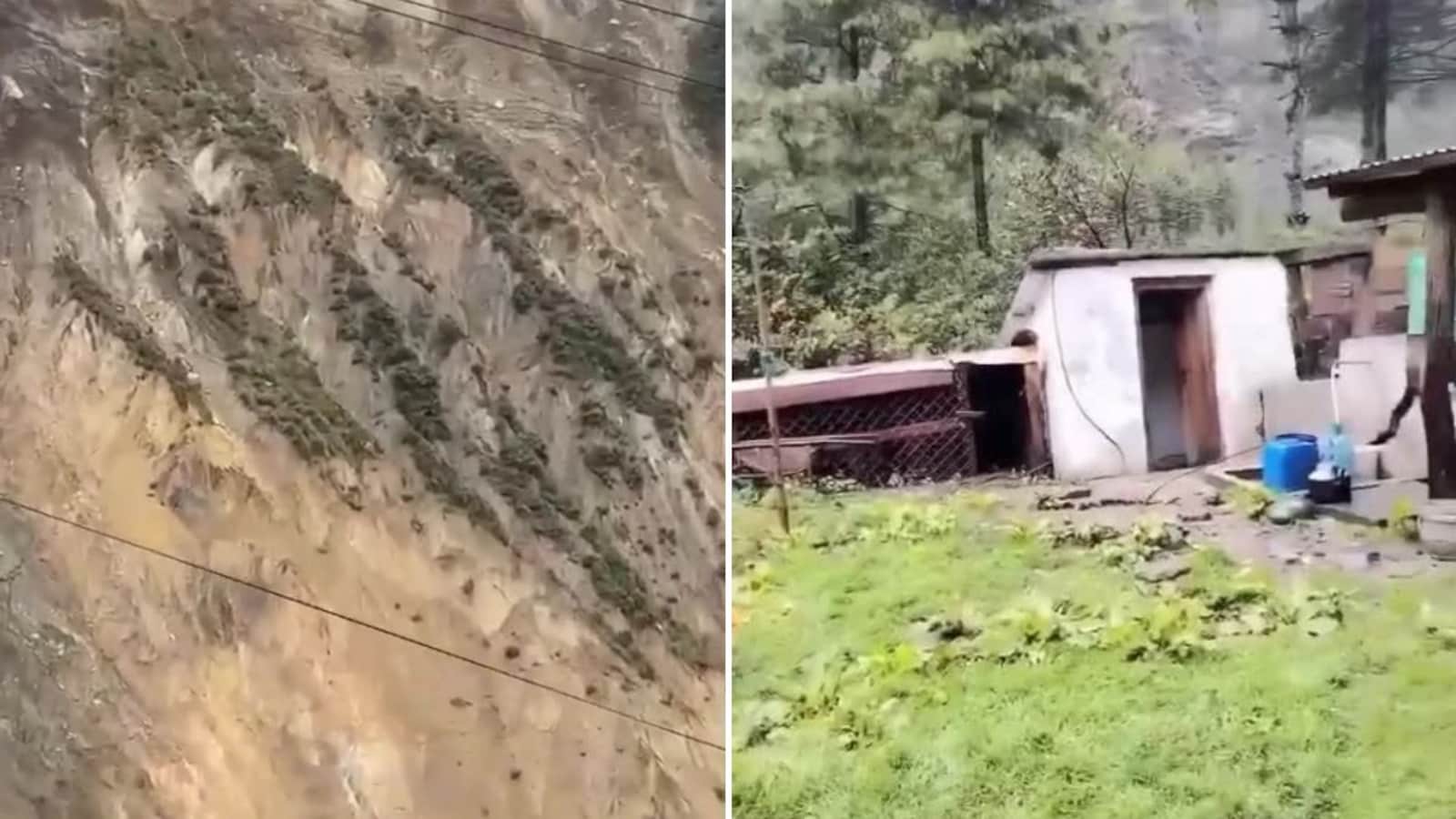
Dramatic video footage from Nepal has captured the terrifying moment a section of a mountain collapsed into a swollen river, sending debris crashing downstream as onlookers screamed in fear. The incident comes amid a broader wave of floods and landslides across the Himalayan nation that have killed at least 24 people and left 14 others missing in several districts. The visuals, widely shared on social media, show a hillside giving way within seconds, underscoring the raw force of the disaster that has unfolded over recent days. Rescue teams and local authorities have been scrambling to reach affected communities, many of which are in remote and difficult terrain. The government has mobilised security forces and disaster response units as the toll from the ongoing monsoon, related calamities continues to be assessed.
Nepal is acutely vulnerable to landslides and flash floods, particularly during the monsoon season that runs roughly from June to September. The country's rugged geography, steep slopes and fragile geology make it prone to such disasters even in normal years, and the situation is worsened by deforestation, unplanned road construction and rapid urbanisation. This year's monsoon has been unusually intense in several parts of the country, with rivers overflowing their banks and hillsides saturating to the point of collapse. The video of the mountain crumbling into the river has become a striking symbol of the destruction, illustrating how quickly entire landscapes can be reshaped during the monsoon. Communities living along riverbanks and on vulnerable slopes face the recurring threat of being cut off, displaced or worse.
According to official updates, the floods and landslides have affected multiple districts, with deaths reported across different regions and search operations continuing for those still unaccounted for. Many of the missing are feared to have been swept away by raging rivers or buried under debris, and hopes of finding survivors are fading as time passes. Local officials have described roads being blocked, bridges damaged and communication lines disrupted, complicating relief and rescue efforts. In several places, families have been forced to abandon their homes and move to safer ground, often with little more than the clothes on their backs. Authorities have been warning that the two figures, the dead and the missing, could rise further as reports come in from far, flung areas.
The disaster has triggered an outpouring of grief and concern across Nepal, with political leaders expressing condolences and promising swift relief to affected families. Opposition parties have also weighed in, questioning whether adequate precautions were taken and whether early warning systems functioned effectively in the vulnerable districts. Relief materials, including food, tarpaulins and medicines, are being dispatched to affected areas, though distribution has been hampered by damaged roads and continuing bad weather. For many residents, the immediate priority is locating missing loved ones and securing shelter before conditions worsen. The events have also renewed debate about how prepared Nepal is to handle increasingly frequent climate, related disasters.
This disaster fits into a disturbing larger pattern across South Asia, where extreme rainfall, glacial lake outbursts and landslides have become more common and more destructive in recent years. Scientists and disaster experts have long warned that climate change is intensifying the hydrological cycle, leading to heavier downpours over shorter periods and increasing the risk of flash floods in mountainous regions. Nepal, with its dense population in river valleys and steep hillsides, sits on the front lines of these changes. The human cost is compounded by poor enforcement of building regulations, encroachment on flood plains and limited investment in disaster, resilient infrastructure. Each monsoon season now brings a familiar cycle of loss, displacement and urgent appeals for international assistance.
Nepal has a long and painful history of such catastrophes, including the devastating 2015 earthquake that triggered landslides and killed thousands, and recurring monsoon disasters that claim lives almost every year. In recent memory, floods and landslides have destroyed villages, washed away highways and stranded thousands of people, exposing the country's limited capacity for rapid response. The tragedy of 2021, when torrential rains caused widespread flooding and landslides across several provinces, remains fresh in public memory. Experts often point out that while the hazards are natural, the scale of the tragedy is often shaped by human decisions about land use, construction and preparedness. The recurrence of such events has prompted repeated calls for better early warning systems and stronger disaster management institutions.
Going forward, authorities are expected to continue search and rescue operations while assessing the full extent of the damage and the number of people affected. The government will likely face pressure to expedite relief, compensate the families of victims and rebuild damaged infrastructure before the next monsoon. There will also be scrutiny of the effectiveness of early warning systems and whether timely evacuations could have saved lives. Long, term questions about climate adaptation, land, use planning and investment in disaster resilience are likely to resurface in political debates. For now, the priority remains saving lives and supporting the thousands of people whose homes and livelihoods have been swept away by the relentless forces of nature.