By mid, 2026, the post, Cold War security architecture has largely fractured. Localized border disputes have given way to sprawling, systemic conflicts that ripple across entire continents, defying conventional boundaries. From the attrition, heavy plains of Eastern Europe to the volatile trade corridors of West Asia, modern warfare is no longer an isolated event. It is a highly interconnected global disruptor reshaping alliances, trade routes, and international law. For India, this era of persistent crisis demands a pragmatic, high, stakes diplomatic balancing act, one that protects its immediate interests while securing its role as a stabilizing middle power.

Photo: Ministry of Culture
1. The Twin Theaters: Escalating Dynamics in Europe and the Middle East
The war in Ukraine, now grinding through its fifth year, has settled into a high, tech war of attrition. Yet, beneath the static frontlines lies a rapid technological evolution. Autonomous weapon systems, artificial intelligence, driven targeting, and relentless electronic warfare have largely neutralized classic armored offensives. According to the Stockholm International Peace Research Institute (SIPRI), this protracted drain has depleted European defense reserves and forced NATO to fundamentally rewrite its deterrence playbook. Simultaneously, Moscow has sustained its military machine by deepening asymmetric defense partnerships, turning a regional European conflict into a global logistical struggle.
At the same time, the Middle East remains on a knife, edge. The instability stretching from the Levant to the Bab, el, Mandeb Strait has evolved into a complex, multi, layered security crisis. In the Red Sea, non, state actors using cheap, commercial, grade attack drones have successfully challenged Western naval superiority, disrupting one of the world's most vital shipping arteries. Logistics giants have been forced to reroute vessels around Africa’s Cape of Good Hope, adding steep transit surcharges and weeks of delay to global commerce. The constant threat of a wider regional war keeps energy markets highly volatile and defense ministries worldwide on constant alert.
2. Weaponized Supply Chains: The Economic Toll on the Global South
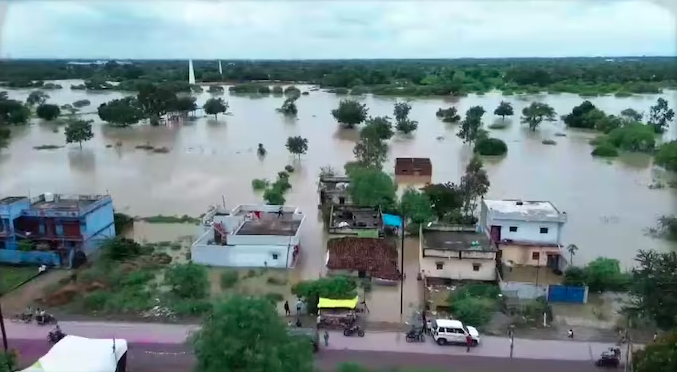
The collateral damage of these dual crises is felt far beyond the reach of artillery. Today, the battlefield extends to global commodity markets, where supply chains, financial networks, and energy corridors are routinely weaponized. Western sanctions and blockade maneuvers in maritime choke points have choked the flow of grain, fertilizers, and critical minerals. For the Global South, this economic fallout is existential, forcing developing nations to choose between fiscal stability and basic food security.

Photo: MODIS Land Rapid Response Team, NASA GSFC.jpg)
As a major energy consumer and an exporter of agricultural products and refined fuels, India has had to adapt rapidly. While New Delhi secured its immediate energy needs by importing discounted Russian crude, the broader insecurity in the Indian Ocean and Red Sea corridors remains a direct threat to its export growth. Rising freight insurance rates and shipping bottlenecks have underscored the fragility of maritime trade, prompting India to fast, track alternative transit routes and bolster its regional maritime security footprint.
[QUOTE: "The weaponization of global supply chains and the persistence of regional wars have forced middle powers to redefine strategic autonomy not as isolation, but as active, multi, directional engagement.", Dr. C. Raja Mohan, Foreign Policy Analyst]
3. Strategic Autonomy: New Delhi’s Diplomatic Walk on a Tightrope
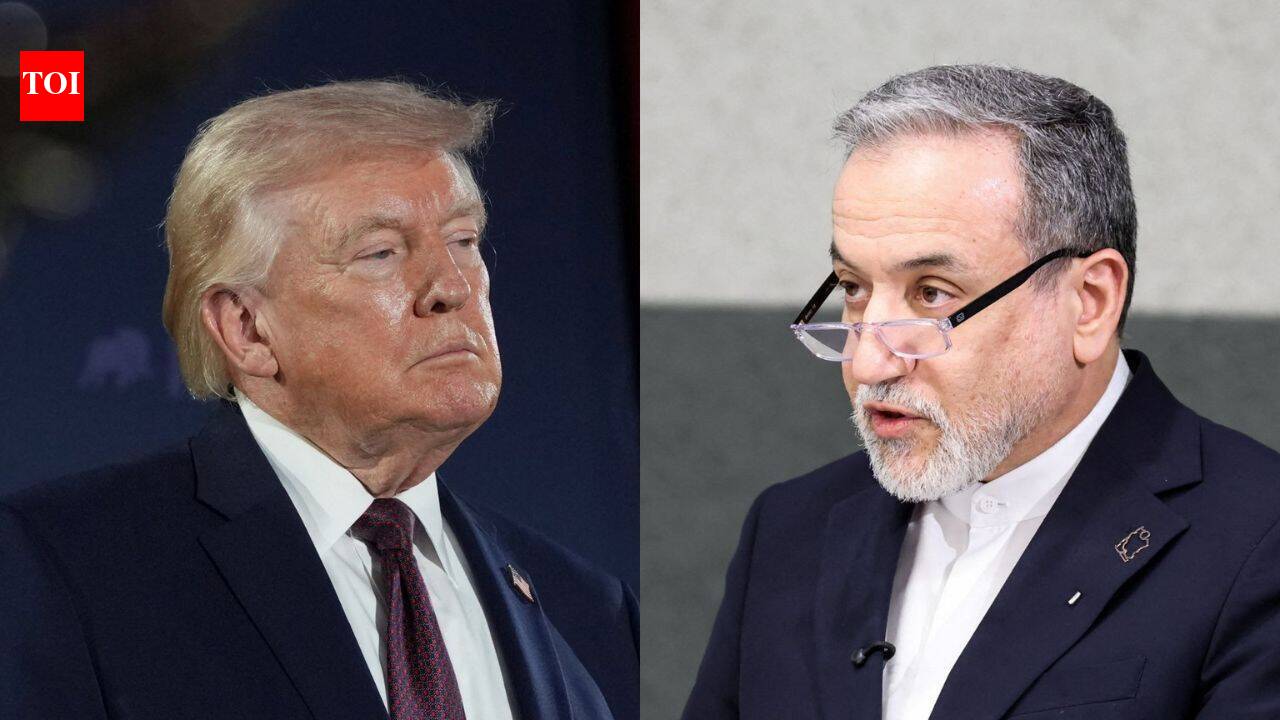
This fragmented landscape presents Indian foreign policy with its most severe test in decades. New Delhi has consistently urged a cessation of hostilities, advocating for dialogue over armed conflict. However, as the divide between the Western alliance and the Beijing, Moscow axis deepens, staying neutral has become an increasingly complex endeavor. India must balance its expanding security partnership with the United States, underpinned by the Quad and critical technology transfers, with its legacy defense relationship with Russia and its active membership in non, Western blocs like BRICS and the Shanghai Cooperation Organisation (SCO).
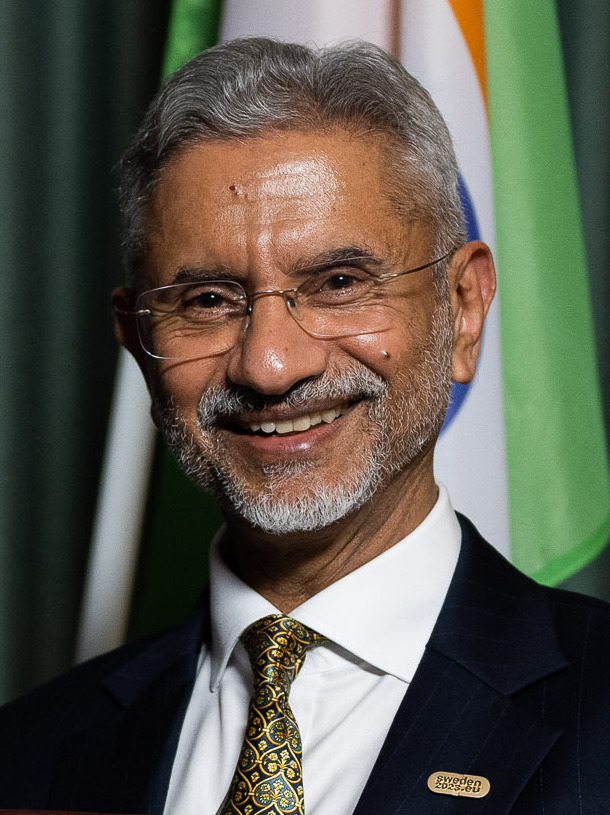
This strategy is not passive fence, sitting; it is an active exercise in strategic autonomy. By positioning itself as a pragmatic mediator, New Delhi seeks to lead the Global South, a vast coalition of developing nations often sidelined by Western geopolitical priorities. At international forums, Indian diplomats consistently argue that urgent global challenges, such as sovereign debt distress, climate finance, and digital public infrastructure, must not be sacrificed to the great, power rivalries of the day.
Ultimately, the prolonged conflicts of 2026 demonstrate that purely military solutions to deep political crises are increasingly unviable. The economic, humanitarian, and strategic costs are simply too heavy for any nation to bear alone. For India, the path forward lies in championing a reformed multilateralism that reflects today's multipolar reality, ensuring that keeping the peace remains an active, cooperative global priority.