Salman Khan's 'Maatrubhumi' trailer sparks mixed reactions; netizens discuss Galwan clash portrayal: 'We got Salman delivering the Bihari dialogue before GTA 6'
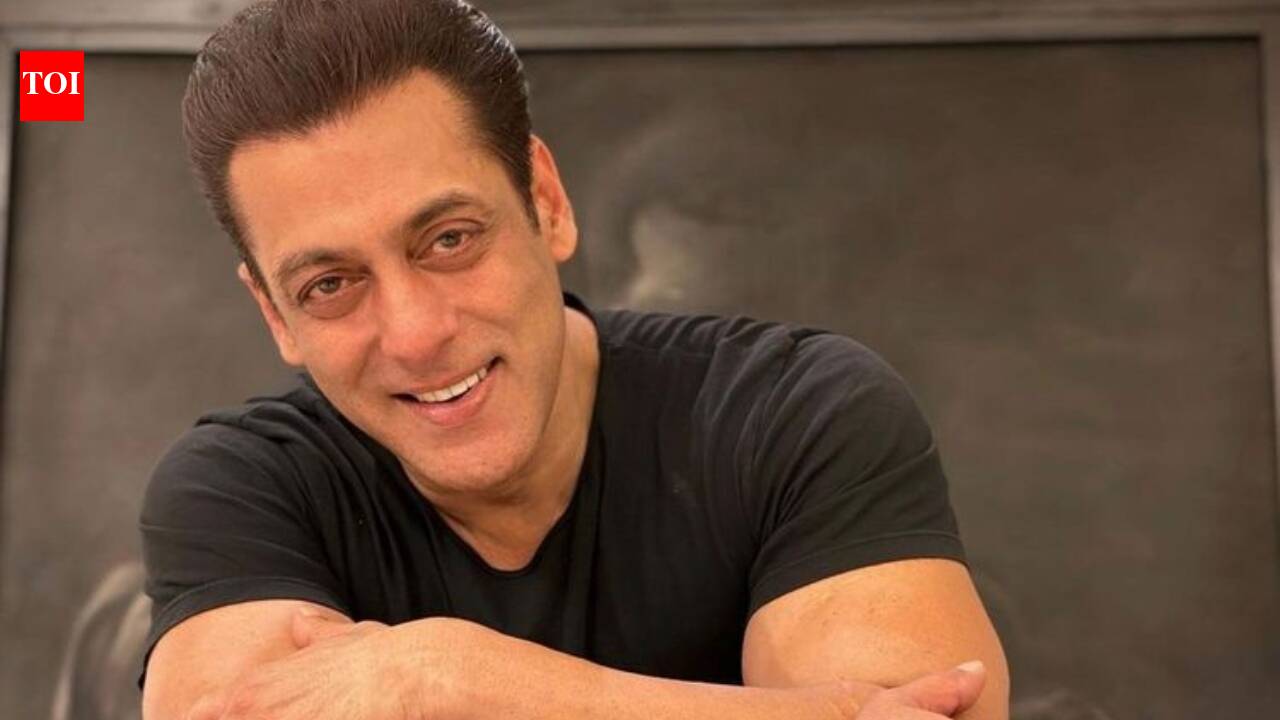
The trailer for Salman Khan's upcoming film Maatrubhumi: May War Rest In Peace was released on Tuesday, immediately setting social media ablaze with a mix of curiosity, criticism and viral humour. The film, which marks one of Khan's most dramatic departures from his trademark action-comedy and romance roles, appears to centre on themes of patriotism, conflict and sacrifice. Within hours of its release, the trailer became one of the most-discussed entertainment topics online, with viewers dissecting everything from Khan's dialogue delivery to the film's visual treatment of war. The phrase "Maatrubhumi", meaning motherland, signals the film's intent to frame its narrative around national sentiment and the human cost of conflict.
The project has been in the news for some time as a potential image-reinvention vehicle for Khan, who has faced a uneven run at the box office in recent years. Reports surrounding the film have suggested it draws inspiration from real events, including the Galwan Valley clash of 2020, in which Indian and Chinese troops were involved in a deadly confrontation in Ladakh. The trailer appears to reference the emotional fallout of such conflicts rather than claiming to be a literal retelling, though this distinction has not stopped viewers from drawing direct parallels. The filmmakers have largely maintained that the story is a fictionalised tribute to soldiers and their families rather than a documentary-style account.
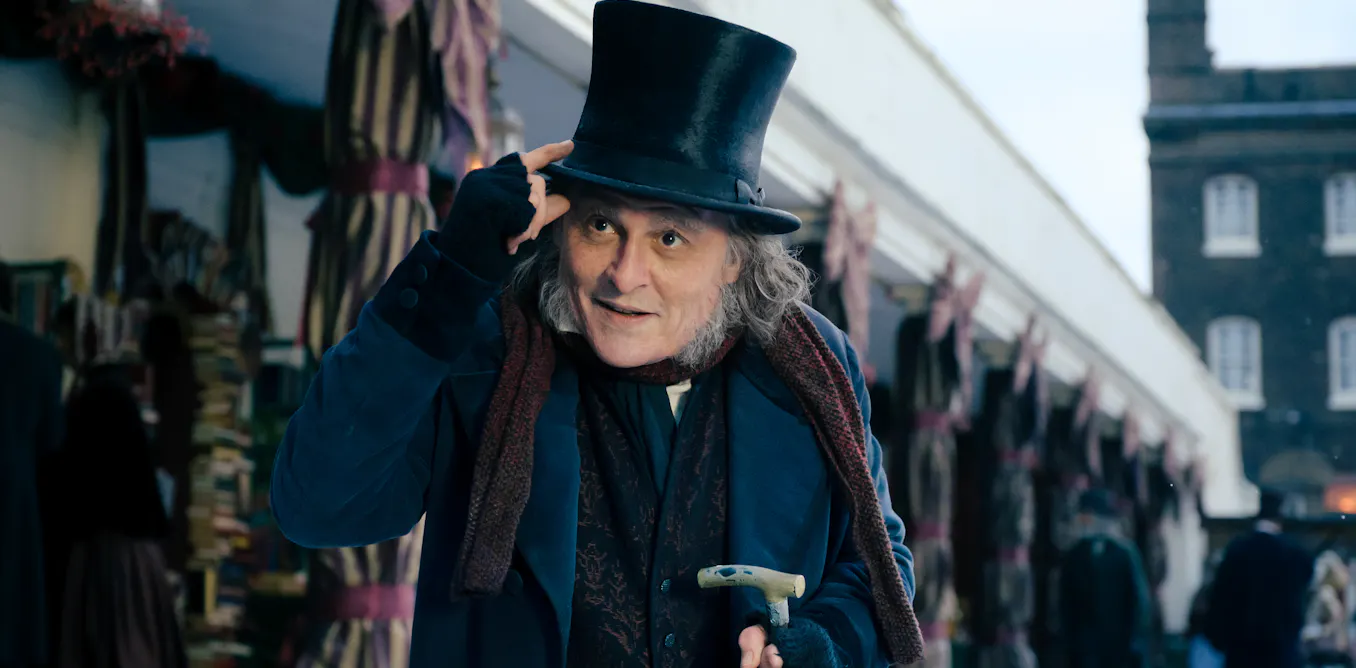
The trailer's most-discussed elements include Khan's introduction as a soldier or military-adjacent protagonist, high-contrast battle imagery and dialogue that leans heavily on regional identity and patriotic rhetoric. One line in particular, delivered in a Bihari dialect, has become the subject of widespread meme-making, with users remixing it into gaming and pop-culture jokes. The visual scale of the trailer, including large-scale combat sequences, suggests a substantial production budget aimed at positioning the film as a major event release. Khan's screen presence remains the central selling point, with supporting characters and emotional family sequences woven into the war narrative.
Reactions online have been sharply divided. Supporters have praised the trailer's emotional ambition and Khan's attempt to take on a more serious, restrained role, arguing that it signals a willingness to experiment late in his career. Critics, however, have questioned the tonal consistency of the promo, with some suggesting the blend of mass-market dialogue and grim war imagery feels jarring. The viral comment "We got Salman delivering the Bihari dialogue before GTA 6" perfectly captures the internet's affectionate cynicism, framing the trailer's quirks as part of the ongoing cultural conversation. Comparisons with earlier patriotic war films have also surfaced, with debate over whether the genre is being refreshed or merely repeated.
The film arrives amid a broader cycle of Indian cinema leaning into nationalism-inflected war dramas, a trend that has produced both commercial successes and controversy. Studios have increasingly looked to real-world military episodes as source material, balancing spectacle with sensitivity toward the armed forces and grieving families. For Khan, the stakes are considerable: a strong showing could reshape perceptions of his range, while a weak reception may reinforce doubts about his recent script choices. The trailer's engagement metrics suggest genuine public interest, even if much of it is filtered through humour and scepticism rather than straightforward enthusiasm.
Indian cinema has a long history of war-themed films, from the patriotic dramas of earlier decades to more recent depictions of the Kargil conflict and other military operations. What has changed is the speed and scale of public scrutiny: trailers are now dissected frame by frame, and dialogue snippets become memes within hours. The Galwan reference is particularly sensitive, given that the families of soldiers who died in the clash remain central to any public discussion of the event. Filmmakers navigating such terrain must therefore balance creative licence with the emotional weight their subjects carry for real people.
The film's release date and eventual box-office performance will determine whether the trailer's mixed reception translates into audience turnout or hesitancy. Marketing teams are likely to lean further into Khan's mass appeal in the coming weeks, possibly releasing additional promos focused on emotion and family rather than battle spectacle. If the film addresses the human aftermath of conflict with care, it could earn goodwill from critics who are currently sceptical. For now, the Maatrubhumi trailer has achieved its first objective: ensuring that a Salman Khan film is once again at the centre of the national conversation, even if the tone of that conversation is as unpredictable as the meme cycle itself.