TN orders Rs 5.25 cr extra relief for Sterlite firing victims
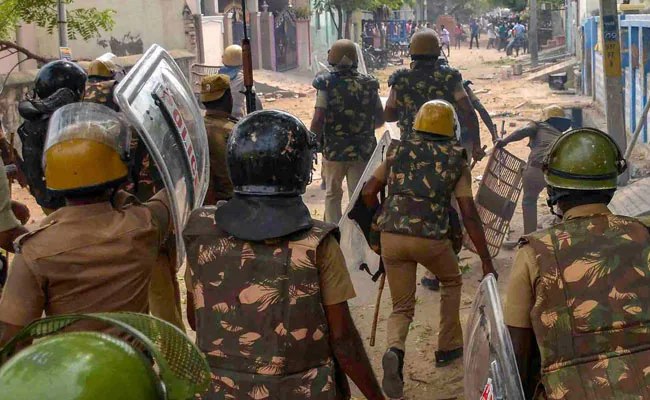
The Tamil Nadu government has ordered the release of an additional Rs 5.25 crore in financial relief for families affected by the May 2018 police firing during the anti-Sterlite protests in Thoothukudi. Chief Minister C. Joseph Vijay issued the direction for the disbursement, which is intended to supplement the compensation already provided to the victims and their dependents over the past several years. The firing, which occurred on May 22, 2018, during protests demanding the closure of the Vedanta-owned Sterlite copper smelter, resulted in the deaths of 13 people and left numerous others injured. The fresh allocation is meant to address long-pending demands from affected families for enhanced compensation and to cover expenses related to medical care and livelihood support.
The anti-Sterlite agitation was one of the most significant environmental and industrial protests in recent Tamil Nadu history, drawing thousands of residents of Thoothukudi to the streets over concerns about pollution from the copper smelter. The police firing on protesters on the final day of a sustained demonstration triggered widespread outrage across the state and led to a prolonged political controversy. The Sterlite plant was subsequently ordered shut by the state government, and the case has since moved through multiple judicial and administrative forums, including the Supreme Court, which has examined competing claims over the closure. Successive governments have faced pressure to provide adequate relief to the families of those killed and those who sustained injuries.
The additional relief is expected to be distributed to the families of the deceased as well as to those who suffered injuries of varying severity during the firing. Officials have indicated that the funds will be routed through the district administration in Thoothukudi, which has been handling the earlier rounds of compensation and rehabilitation measures. While the exact per-family allocation was not immediately detailed, the total package reflects the government's effort to close gaps in the earlier compensation structure that victims' groups had criticised as inadequate. The government has maintained that the enhanced relief is part of a broader commitment to addressing the grievances of the affected communities.
Victims' associations and activists have broadly welcomed the additional relief but have indicated that questions remain over the pace of disbursement and the adequacy of support for those with long-term injuries and disabilities. Political observers note that the timing of the announcement carries significance, as the Sterlite issue remains emotive in the southern districts of Tamil Nadu and continues to shape electoral and public discourse. Opposition parties have at various points accused the government of delayed action on compensation and of not doing enough to secure accountability for the firing. The ruling establishment, for its part, has positioned the new relief order as evidence of its responsiveness to the affected families.
The development fits into a wider pattern in Tamil Nadu and elsewhere in India, where industrial disasters and protest-related violence have prompted protracted debates over compensation, official accountability and environmental governance. The Sterlite case in particular became a symbol of the tension between industrial investment and the right to clean environment and peaceful protest, with the National Human Rights Commission and other bodies having examined aspects of the police action. Ensuring timely and transparent disbursement of relief has often proven as contentious as the original decisions to grant compensation, and monitoring of how the funds reach the intended beneficiaries is likely to remain a point of public scrutiny.
The 2018 firing drew comparisons with earlier episodes of protest-related police action in the state and across the country, where compensation announcements have sometimes been followed by long delays and disputes over eligibility. Over the years since the incident, court proceedings and administrative reviews have continued, and successive governments have had to balance the demands of the victims' families against the legal complexities surrounding the Sterlite plant's closure and its economic implications for the region. The memory of the firing remains central to the political identity of Thoothukudi and to broader conversations about the accountability of law enforcement during public protests.
With the financial sanction now issued, attention will shift to the district administration and the timeline for transferring the enhanced relief to eligible families. Officials are expected to verify beneficiary lists and complete the disbursement process in the coming weeks, though no firm schedule has been publicly confirmed. Victims' groups are likely to press for clarity on inclusion criteria and for continued support on health, education and employment fronts, which they have argued must accompany one-time cash relief. The longer-term question of the Sterlite plant's fate and the environmental restoration of the affected area remains unresolved, meaning the issue is set to stay alive in Tamil Nadu's political and legal landscape for the foreseeable future.