
Crude Is Back at 80% in the Gulf, but Refined Products Are Stuck at 35%
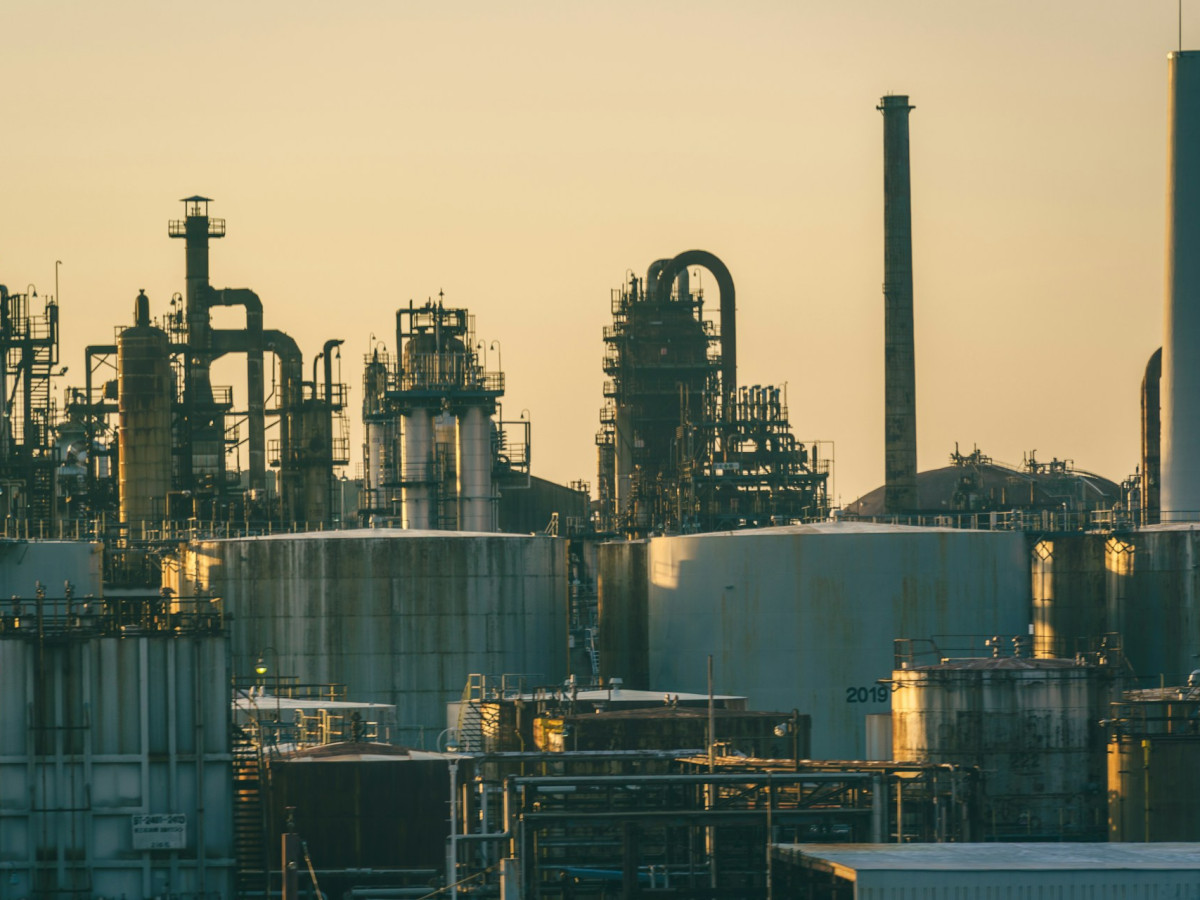
Middle Eastern crude oil exports through the Strait of Hormuz have recovered to roughly 80 to 85 percent of their pre-war levels when pipeline shipments are included, but refined-product exports from the Gulf remain stuck at only about 35 percent of normal volumes, according to shipping and market assessments. The uneven recovery, visible in tanker-tracking data and port activity across the region, shows that Gulf producers are prioritizing crude shipments over refined fuels as they rebuild export capacity. The divergence matters for global energy markets because crude and refined products serve different buyers and flow through different supply chains. Asian refiners that depend on Gulf crude are seeing supplies normalize faster than importers of Gulf-produced diesel, jet fuel and gasoline.
The disruption dates to the conflict that sharply curtailed commercial shipping through the Strait of Hormuz, the narrow waterway through which a substantial share of the world's seaborne oil normally passes. During the worst of the disruption, both crude and product exports from Gulf ports fell steeply as insurers withdrew cover, shipowners avoided the route and loading operations were suspended. Gulf national oil companies have since worked to restore crude loadings, aided by pipeline routes that bypass the strait and by the relative simplicity of moving unrefined crude through large terminals. Refined-product exports, by contrast, depend on refineries running at full capacity and on a distribution network that has been slower to restart.
Shipping data indicates that crude loadings from key Gulf terminals have climbed steadily in recent weeks, with pipeline flows to Red Sea and Gulf of Oman outlets compensating for some volumes that would normally move through Hormuz. Refinery utilization in the region, however, remains well below normal, and product tanker traffic out of Gulf ports has recovered far more slowly than crude tanker traffic. Traders report that diesel and jet fuel cargoes from the Gulf are still scarce, forcing buyers in East Africa, South Asia and parts of Europe to source alternatives from India, the United States and other refiners. The precise reasons for the lag include damage to some refinery units, shortages of skilled personnel and the prioritization of crude for revenue and contract obligations.
Market participants say the crude-first strategy reflects both economics and logistics. Crude exports generate faster revenue for cash-strapped producers and fulfill long-term supply contracts with Asian buyers who are the Gulf's most important customers. Refined products, by contrast, require functioning refineries and a complex chain of storage, blending and bunkering that takes longer to restore after a shutdown. Analysts note that the muted product flows have widened diesel cracks in some regional markets even as crude prices have stabilized. Consumers in import-dependent economies, particularly in South Asia and East Africa, continue to pay elevated prices for transport fuels as a result.
The uneven recovery fits a broader pattern in global energy markets, where crude supply has adjusted faster than refined-product supply following disruptions. Refining capacity worldwide has been constrained by closures in Europe and the United States, making the world more dependent on Gulf and Asian refineries for middle distillates. At the same time, the recovery of Gulf crude exports is easing fears of a physical shortage that drove prices sharply higher during the conflict. The International Energy Agency and other forecasting bodies have cautioned that product markets could remain tight even as crude balances loosen, a divergence that complicates the inflation outlook for importing countries.
History offers a comparison. During the tanker tensions of the 1980s and again during the 2019 attacks on Saudi oil facilities, crude exports recovered relatively quickly while refined-product supply took longer to normalize because refineries and distribution networks were the bottleneck. The pattern has reinforced a lesson familiar to energy planners: crude is easier to reroute than refined fuels, which depend on specialized facilities that cannot be quickly replaced. Gulf producers have invested heavily in refining and petrochemicals in recent years to capture more value from their barrels, making the slow product recovery a setback for that strategic push.
Looking ahead, attention will focus on when Gulf refineries can return to fuller utilization and whether product exports begin to close the gap with crude. Insurers and shipowners will be watching security conditions in the strait, since a sustained return of product tankers depends on confidence that the route is safe. Producers have an incentive to restore product exports because refined fuels carry higher margins than crude, but the sequencing is likely to remain crude first until refinery operations stabilize. For importers, the key question is whether the crude recovery translates into cheaper diesel and jet fuel in time for peak demand seasons later this year.