
Why you always feel like you have nothing to wear and how to fix it
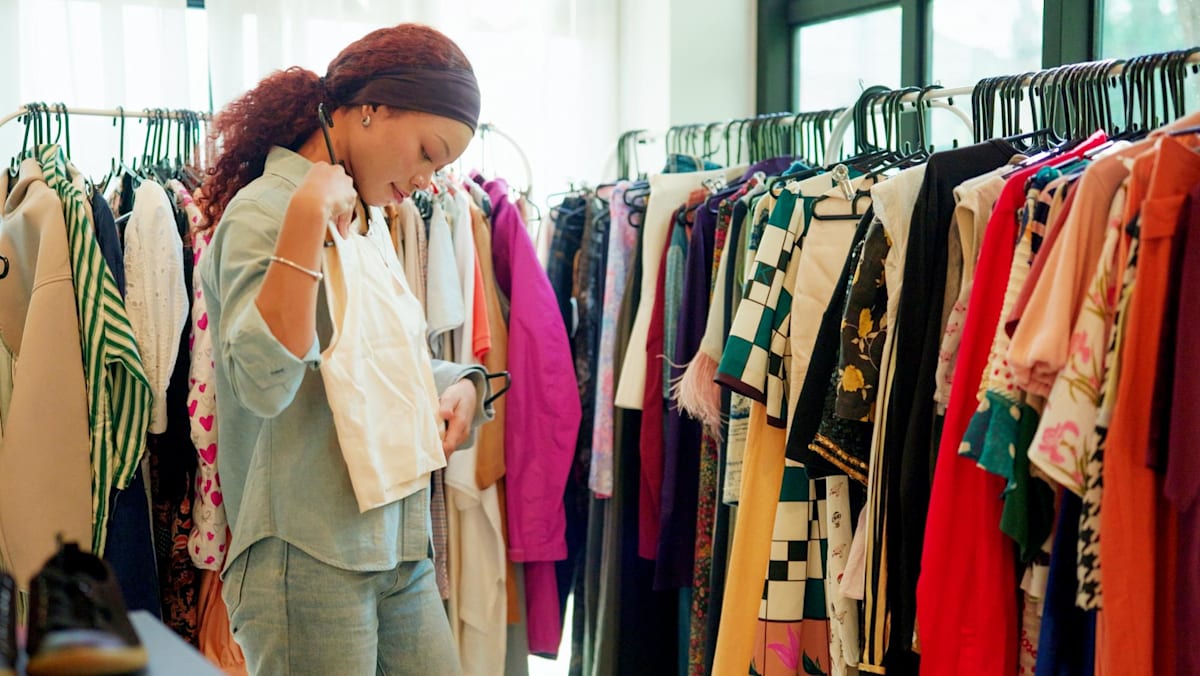
The familiar frustration of standing before a packed wardrobe and feeling there is nothing to wear is a near-universal experience, and fashion and behavioural experts say it is rooted less in a lack of clothing than in the way people organise, perceive and choose from what they already own. The phenomenon, often described as the "wardrobe full of nothing to wear" problem, affects people across income levels and is frequently cited by stylists, sustainability advocates and consumer researchers as a symptom of overconsumption and poor wardrobe planning. It surfaces most acutely during seasonal transitions, before social events or on rushed weekday mornings, when decision fatigue collides with a closet that has grown without structure. Experts consistently argue that the solution lies not in buying more but in editing, organising and understanding one's actual lifestyle needs.
The problem has deepened over the past two decades as fast fashion expanded wardrobes dramatically while lowering the cost of individual purchases. Consumers accumulated large volumes of inexpensive, trend-driven garments, many of which were worn only a handful of times and rarely coordinated with one another. Stylists point out that a wardrobe built impulsively tends to lack coherence, leaving owners with plenty of items but few complete, wearable outfits. The rise of online shopping and social media-driven trend cycles has further encouraged impulse purchases that feel exciting at the moment of buying but confusing when combined with existing clothes. The result is a closet that is simultaneously overcrowded and under-resourced in the pieces people actually reach for daily.
Several well-established factors explain the mismatch. Many people shop for aspirational versions of their lives rather than their real routines, buying occasion wear they rarely use while lacking basics suited to work, errands and rest. Clothing is often stored without visibility, with items buried in drawers or pushed to the back of racks, so the brain gravitates toward the same handful of visible favourites. Decision fatigue plays a role as well, since choosing among dozens of options each morning depletes mental energy and pushes people toward defaults. Laundry cycles and off-season storage also remove many garments from circulation at any given time, shrinking the pool of genuinely available options. Sizes fluctuating between purchases create further confusion about what actually fits.
Styling professionals and wardrobe consultants have responded with practical, low-cost recommendations that emphasise assessment over acquisition. The most widely endorsed first step is a full wardrobe audit, in which every item is tried on and sorted into keep, repair, donate and discard piles based on fit, condition and whether it has been worn recently. Experts frequently suggest turning all hangers backward and flipping them after each wear, creating a visual record of what is actually used over a few months. Building a personal uniform or capsule of interchangeable core pieces suited to one's climate, work and daily life is another common recommendation. Better storage, visible folding and grouping outfits by purpose rather than garment type also make selection faster and more intuitive.
The conversation fits into a broader reckoning with fashion overconsumption and its environmental cost. The textile industry is among the most resource-intensive in the world, and campaigns around sustainable fashion, resale, swapping and repair have gained traction among younger consumers in particular. Wardrobe-editing advice aligns with these priorities by encouraging people to extract more value from existing clothing rather than adding to waste. Retailers and stylists have noticed the shift, with personal styling services and closet-editing offerings positioning themselves around intentional dressing. The "nothing to wear" complaint, once treated as a lighthearted punchline, is increasingly discussed as a consumer behaviour issue tied to spending habits and environmental responsibility.
The problem is not new. Advice columns and household manuals from decades past urged readers to invest in versatile staples and avoid trend-driven clutter, and the post-war rise of ready-to-wear fashion produced similar complaints about crowded closets. What differs today is scale: cheaper garments and faster trend cycles mean wardrobes grow more quickly and are edited less often. Past generations typically owned fewer clothes that were mended and worn repeatedly, a norm now being revisited through the lens of sustainability. Fashion writers have long noted that style confidence tends to come from a smaller, well-understood set of clothes rather than sheer volume, an observation that predates the modern capsule-wardrobe movement.
Looking ahead, stylists and sustainability advocates expect wardrobe editing to become more routine as cost-of-living pressures and environmental concerns discourage casual overbuying. Apps that catalogue clothing digitally and suggest outfits are likely to make the process easier, while resale and rental platforms continue to shift habits away from accumulation. Experts caution that any effective fix depends on honest self-assessment and periodic reviews rather than one-time cleanouts, since wardrobes drift again without maintenance. The broader expectation is that consumers will increasingly measure their closets by usefulness rather than quantity, turning the morning dread of "nothing to wear" into a simpler, faster and more sustainable routine.