Sonam Wangchuk Removed From Protest Site in Leh
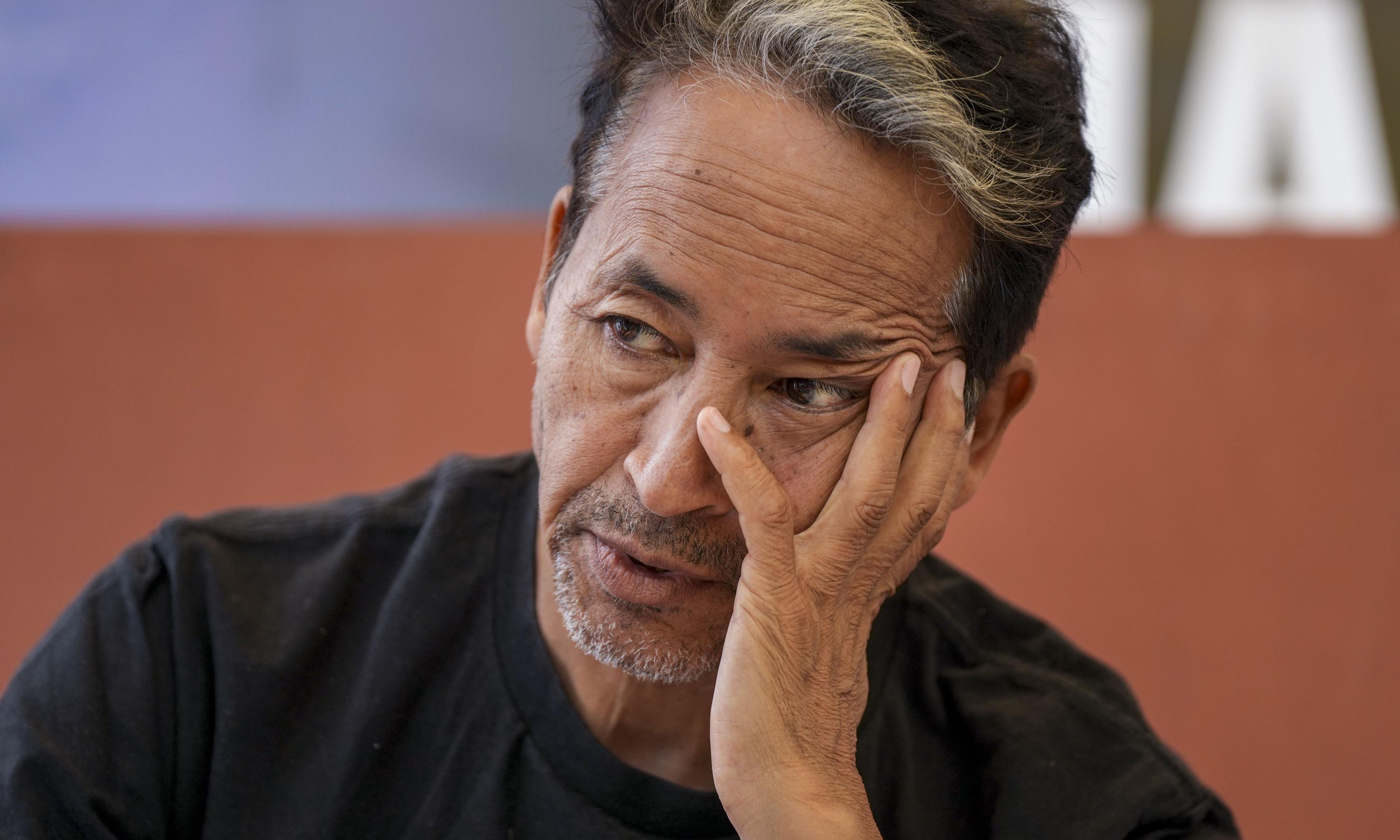
Climate activist and educationist Sonam Wangchuk was removed from a protest site in Leh, the headquarters of the Union Territory of Ladakh, in an operation that has triggered a fresh political storm over restrictions on public assembly and democratic expression in the region. Reports indicate that Wangchuk, who had been leading a prolonged demonstration demanding constitutional safeguards for Ladakh, was taken away by authorities along with other protesters. The action followed the imposition of prohibitory orders in the area, which officials have cited as necessary for maintaining public order. The removal of the prominent activist, known nationally for his work in sustainable education and his role in inspiring the film 3 Idiots, has drawn sharp reactions from opposition parties and civil society groups, who have described the move as an assault on the right to peaceful protest.
The developments in Leh are the latest chapter in a long-running standoff between Ladakh's civil society and the administration over the region's governance and its demands for greater autonomy. Since Ladakh was carved out of Jammu and Kashmir and made a Union Territory in 2019, local groups have repeatedly pressed for protection of land, jobs, and cultural identity under the Sixth Schedule of the Constitution. Wangchuk emerged as a leading voice of this movement, and his protests have drawn attention to grievances that many residents say have gone unaddressed. The administration, for its part, has maintained that it is engaging with legitimate concerns while insisting that public order and the rule of law must be upheld at all times.
Details of the operation remain only partially clear, with differing accounts of how the removal was carried out and how many people were detained. What is well established is that the protest site was cleared after prohibitory orders were invoked, and that Wangchuk was among those removed by authorities. Officials have defended the action as a routine enforcement of restrictions on gatherings, while organisers and supporters have questioned the justification for sweeping curbs on a peaceful agitation. The episode has once again put a spotlight on the use of administrative restrictions, including prohibitory orders, to curtail protests in the region, a practice that critics argue narrows the space for democratic dissent.
Reactions have been swift and polarised. Opposition parties at the national level have criticised the removal of the activist and demanded an explanation from the government, framing it as part of a broader pattern of curbs on civil liberties. Civil society organisations, student groups, and local bodies in Ladakh have expressed solidarity with the protesters, warning that heavy-handed measures could deepen alienation in the region. Supporters of the administration, meanwhile, have argued that no group can be permitted to defy lawful restrictions indefinitely. The episode is likely to intensify political debate in Parliament and in the public sphere over the treatment of peaceful protesters in Union Territories administered directly by the central government.
The Leh developments fit into a wider debate about the governance of Ladakh since 2019 and the aspirations of its people for constitutional safeguards. The demand for Sixth Schedule status has been a recurring theme in regional politics, drawing support across community lines in both Leh and Kargil districts, even as local political formations differ on strategy. The restrictions on assembly and communications, which have been deployed periodically in the region, have drawn scrutiny from rights bodies and commentators who argue that such measures can erode trust between the administration and residents. The removal of a figure of Wangchuk's prominence has thus given the long-simmering dispute a national dimension it had previously lacked.
The government's approach to protests in Ladakh echoes earlier episodes in other parts of the country, where authorities have relied on prohibitory orders, detentions, and communication restrictions to manage prolonged agitations. Critics have pointed to this recurring pattern as evidence of an increasingly narrow space for street-level dissent, while officials have consistently defended such actions as necessary tools for preserving order in sensitive regions. In Ladakh's case, the dispute is further complicated by the region's strategic location, its sensitive borders, and the delicate balance between local aspirations and central administration. Past standoffs over land and employment protections suggest that tensions in the region can escalate quickly when local demands go unaddressed for long periods.
What happens next will depend on how both the administration and the protest movement choose to proceed. The immediate question is whether Wangchuk and other detained protesters will be released and whether talks between local groups and the administration will resume in earnest. Opposition parties are expected to raise the matter in Parliament and press for a statement on the restrictions imposed in Leh. For the broader movement, the episode may serve either as a catalyst for renewed mobilisation or as a moment of reckoning that forces a reassessment of strategy. Much will also hinge on whether the administration signals a willingness to engage substantively with the demand for constitutional safeguards, an issue that is unlikely to fade from Ladakh's political landscape regardless of how the present standoff is resolved.