How midterms put pressure on Donald Trump
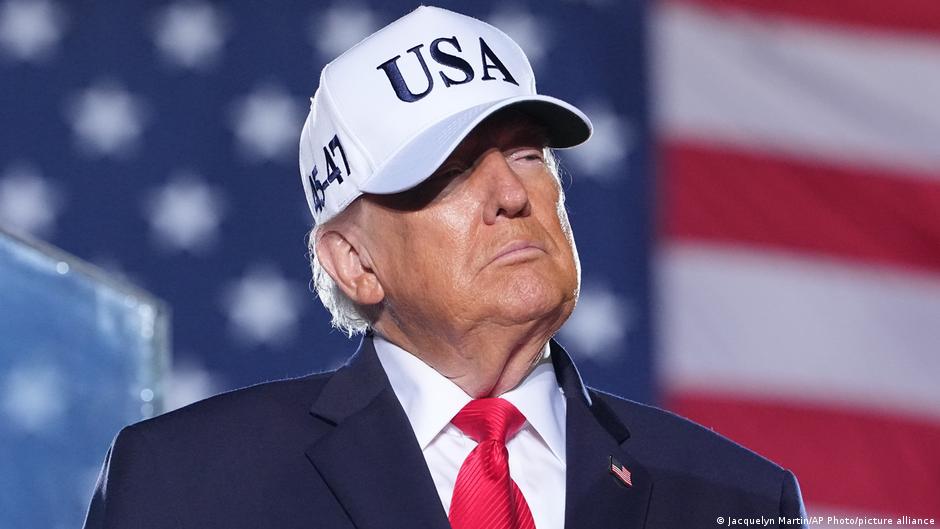
Almost nine months after the United States and Israel launched military operations against Iran, the conflict has eased to a point where President Donald Trump has begun to speak of bringing the war to a close, even as its central disputes remain unresolved. The shift comes against the backdrop of American midterm elections that have altered the political arithmetic in Washington and narrowed the president's room for maneuver. Trump has publicly suggested that hostilities are winding down and that an end is in sight, but no formal settlement addressing Iran's nuclear program or the terms of a ceasefire has been concluded. The combination of an unfinished war and a changed political landscape has placed new pressure on the White House, forcing it to weigh military options against domestic political costs.
The war began with a joint American and Israeli campaign of strikes on Iranian nuclear and military targets, prompting Iranian retaliation against regional sites and disruptions to shipping in the Strait of Hormuz. The conflict rattled global energy markets, pushed oil prices higher and drew in regional proxies, while Iran's nuclear program remained a central and unresolved issue throughout. Washington's stated objectives included degrading Iran's nuclear capabilities and curbing its regional influence, but the extent to which those goals have been achieved remains disputed. As the fighting subsided, attention in Washington turned from battlefield developments to the political consequences at home.
The midterm elections have been widely read as a verdict on the administration's handling of the war and on the cost-of-living pressures that the conflict aggravated. Opposition Democrats made gains, and even within Trump's Republican Party, patience with an open-ended military commitment has visibly thinned among lawmakers facing their own constituents. The White House has not presented a detailed exit strategy, and questions persist over what a final agreement with Tehran would look like, who would guarantee it and how sanctions relief might be structured. Congressional oversight of the war has intensified, with lawmakers pressing for clearer legal justification and for a say in any long-term settlement. Public opinion polling has generally shown Americans wary of a prolonged conflict, though views on the war's conduct remain sharply divided along partisan lines.
Reactions have split along predictable but consequential lines. The administration has portrayed the easing of hostilities as evidence that its pressure campaign worked, while critics argue that the war's core objectives remain unmet and that the president is seeking a face-saving exit. Regional allies, particularly Israel and Gulf states, have watched closely for signs that Washington might soften its stance toward Tehran, wary of any deal that leaves Iran's nuclear infrastructure partially intact. European governments have urged a negotiated framework that addresses enrichment and verification, and oil markets have stabilized somewhat as the threat to shipping has receded, though insurers and traders remain cautious. Within the United States, families of service members and veterans' groups have added their voices to the debate over how and when the war should end.
The episode fits into a broader pattern in American foreign policy in which presidents inherit or initiate conflicts and then find their freedom of action constrained by domestic politics. Trump's approach to Iran has oscillated between maximum pressure and openness to talks, reflecting both his transactional instincts and the limits imposed by Congress and public opinion. The midterm results have strengthened the hand of lawmakers who want a formal role in approving any prolonged military engagement and who question the human and financial costs of the campaign. At the same time, the war has accelerated regional realignments, with Gulf states hedging their security relationships and Iran leaning on partners in Moscow and Beijing. Energy markets, global shipping and the broader Middle East balance of power all bear the imprint of the past nine months.
History offers instructive parallels. American wars in Korea, Vietnam and Iraq all outlasted the political majorities that launched or sustained them, and each was ultimately shaped as much by congressional pressure and electoral shifts as by events on the battlefield. The pattern is familiar: a president claims progress, an opposition Congress demands accountability, and the terms of disengagement become a subject of intense bargaining. In this case, the unresolved nuclear question echoes the long, contested negotiations that have followed past conflicts, where ceasefires preceded years of diplomatic wrangling. The difference now is the speed with which midterm politics have overtaken the military timetable.
What happens next will hinge on whether the administration can convert the lull into a durable arrangement acceptable to Tehran, Israel and Congress. The White House is expected to face votes and hearings on war powers and on any funding requests tied to the region, and the shape of those debates will signal how much latitude lawmakers intend to grant. A negotiated framework covering Iran's nuclear activities, verification and sanctions remains the stated goal, but its prospects depend on factors largely outside Washington's control. Trump's ability to declare the war concluded may satisfy his political base, but the substantive questions that sparked the conflict will persist long after the midterm dust settles.