One Month After Nepal’s Devastating Floods

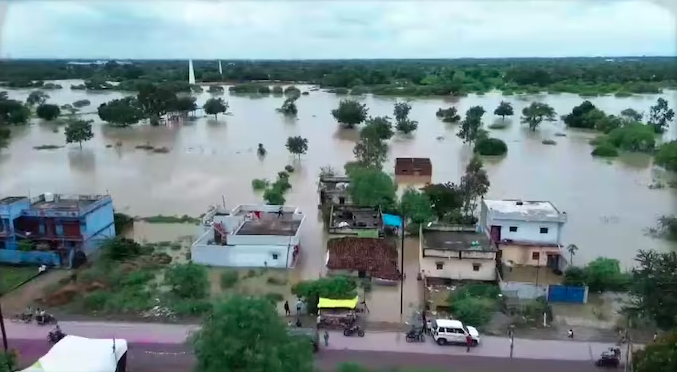
A month after catastrophic floods and landslides swept through Nepal, the scale of the disaster is only now becoming fully apparent, with thousands of people still unaccounted for and entire communities struggling to rebuild their lives. The floods, triggered by exceptionally heavy monsoon rains, struck multiple districts across the Himalayan nation, washing away homes, roads, bridges and farmland. Rescue and relief operations have continued for weeks, yet the sheer magnitude of the destruction has overwhelmed local capacities. Families who survived the deluge are now confronting a painful reality: many of their loved ones remain missing, and the recovery ahead appears long and uncertain. The disaster has displaced large numbers of people, forcing them into temporary shelters and relief camps where basic amenities remain stretched.
Nepal is highly vulnerable to monsoon, related disasters, a consequence of its steep mountainous terrain, fragile geology and the increasing intensity of rainfall linked to a changing climate. Each year, the monsoon season brings landslides and flash floods that claim lives and destroy infrastructure, but the scale of this year's devastation has been particularly severe. The floods followed days of relentless rain that caused rivers to swell beyond their banks, sweeping through settlements built on floodplains and hillsides. Many of the affected areas are remote, accessible only by narrow mountain roads that were themselves damaged or blocked, complicating efforts to deliver aid. The government, along with national and international relief agencies, has been working to reach stranded populations, but the logistical challenges have been formidable.
Well, established accounts describe widespread destruction of homes, schools, health posts and agricultural land, with many families losing everything they owned in a matter of hours. Survivors have recounted clinging to rooftops and trees as floodwaters rose, while others fled on foot through mud and debris. Search teams, including security forces and volunteers, have been combing riverbanks and debris fields for the missing, though hopes of finding survivors diminish with each passing day. Relief camps have provided food, shelter and medical care, but many displaced families report that supplies remain insufficient and that they lack privacy, sanitation and access to schooling for their children. The government has acknowledged the enormity of the task and has pledged continued support, though bureaucratic delays and coordination gaps have slowed some relief efforts.
Reactions from across Nepali society have reflected a mix of grief, solidarity and mounting frustration. Civil society groups, student organisations and ordinary citizens have mobilised donation drives and volunteer rescue missions, while religious and community leaders have offered comfort to the bereaved. Many families have criticised what they perceive as a slow and uneven official response, particularly in remote districts where help arrived days after the floods. Experts have pointed to the need for stronger early, warning systems, stricter enforcement of building regulations and better land, use planning to reduce future risks. The disaster has also reignited debates about corruption and poor governance in construction and disaster preparedness. For the thousands of families still searching for missing relatives, the emotional toll is compounded by the uncertainty of not knowing whether their loved ones are alive or dead.
The flooding in Nepal fits into a broader pattern of extreme weather events across South Asia, where monsoons have grown more erratic and intense in recent years. Similar disasters have struck neighbouring India, Bangladesh and Pakistan, displacing millions and testing the resilience of already fragile infrastructure. Scientists have linked the increasing frequency of such events to rising global temperatures, which allow the atmosphere to hold more moisture and produce heavier rainfall. For Nepal, a country still recovering from the devastating 2015 earthquake, the cumulative burden of repeated disasters has strained public finances and slowed development. International donors and humanitarian agencies have stepped in with emergency funding, but long, term reconstruction requires sustained investment that many vulnerable nations struggle to secure.
Historically, Nepal has endured some of the deadliest landslides and floods in the Himalayan region, with monsoon disasters routinely killing hundreds and displacing thousands each year. The 2015 earthquake, which killed nearly 9,000 people, remains the country's worst modern catastrophe, and its aftermath exposed deep weaknesses in disaster response and reconstruction. More recent floods and landslides have repeatedly demonstrated that preparedness remains inadequate, despite lessons that should have been learned. Comparisons are being drawn to previous monsoon disasters in which entire villages were buried or swept away, leaving survivors to rebuild from nothing. Analysts note that without significant reforms in infrastructure, urban planning and climate adaptation, Nepal will continue to suffer disproportionately from natural hazards that are becoming more frequent and more destructive.
In the weeks and months ahead, the focus will shift from emergency relief to the far harder tasks of recovery, reconstruction and accountability. Authorities are expected to complete assessments of damage and casualties, though the number of missing may never be fully resolved. Rebuilding homes, restoring roads and reviving local economies will require massive resources and careful coordination among government agencies, donors and communities. Families will face difficult decisions about whether to return to disaster, prone areas or relocate to safer ground, a choice complicated by land ownership and livelihood concerns. The coming monsoon seasons will test whether Nepal has learned from this tragedy, and whether investments in early warning, resilient infrastructure and disaster governance can prevent a repeat of such catastrophic loss. For now, the nation mourns, searches and begins the slow, painful work of healing.