Iran keeps door open to talks as Trump rejects Hormuz proposal
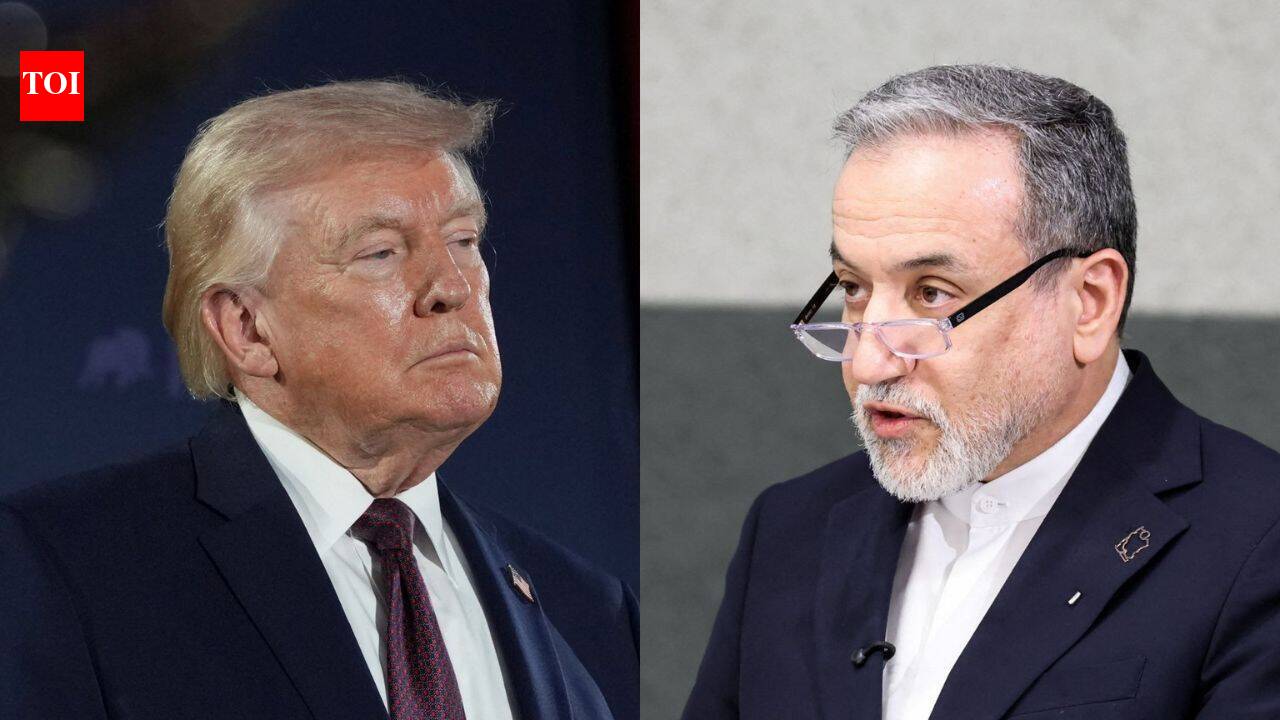
Iran's foreign minister, Abbas Araghchi, has said that Tehran is still waiting for a formal response from the United States to an Iranian proposal aimed at reopening the Strait of Hormuz and bringing an end to the ongoing conflict, according to Iranian statements reported on Tuesday. The proposal, described by Iranian officials as a seven, day plan, was conveyed through diplomatic channels and is intended to de, escalate tensions in the strategically vital waterway. Araghchi indicated that Iran has not closed the door to negotiations despite public signals from Washington suggesting the offer has been rejected. The Strait of Hormuz, through which a substantial share of the world's seaborne oil passes, has become the focal point of the latest confrontation between the two countries.
The current standoff traces back to the broader deterioration in relations between Tehran and Washington over Iran's nuclear programme, its regional military posture, and a series of recent incidents involving shipping in the Gulf. The United States has maintained a significant naval presence in the region, while Iran has repeatedly warned that it retains the ability to disrupt traffic through the strait if pressured. The seven, day proposal appears to have been Tehran's attempt to pause hostilities in exchange for a phased reopening of the waterway, a move that Iranian officials have framed as a confidence, building measure. Washington, however, has reportedly dismissed the plan, with President Donald Trump publicly rejecting the proposal, though the precise reasoning behind the rejection has not been formally detailed by US officials.
Details of the Iranian plan remain limited, and both sides have released only partial accounts of what was discussed and through which intermediaries. What is well established is that Araghchi has publicly confirmed Iran's willingness to negotiate and that the proposal was formally transmitted to the United States. Iranian officials have framed the offer as time, bound, suggesting that the window for a diplomatic resolution could narrow if no response is forthcoming. The US administration, for its part, has continued to insist that any deal must address core concerns about Iran's regional activities and nuclear ambitions rather than focus narrowly on the strait. Neither side has confirmed the exact terms of the proposal, and independent verification of the specifics has not been possible.
Reactions to the exchange have been cautious across the region and beyond. Gulf states that depend heavily on the Strait of Hormuz for oil exports have watched the developments closely, given the direct implications for global energy markets and shipping insurance costs. European governments have broadly urged restraint on both sides, while Russia and China, both of which have diplomatic and economic ties with Tehran, have called for dialogue rather than further escalation. Analysts have noted that the public rejection by Washington, followed by Iran's insistence that talks remain possible, reflects a pattern in which both sides keep diplomatic channels open even while trading hostile rhetoric. Oil markets have responded nervously to each new signal from the region, underlining how sensitive global supply routes remain to political developments.
The standoff over the strait fits into a longer pattern of periodic crises in the Gulf, where shipping lanes have repeatedly become instruments of political leverage. Iran's strategy of signalling openness to talks while maintaining pressure through its military posture is consistent with its long, standing approach of combining deterrence with diplomacy. For Washington, the challenge is to deter Iranian actions without closing off avenues that could reduce the risk of a wider conflict. The episode also reflects the broader fragmentation of the global order, in which regional powers test the resolve of larger states while international institutions struggle to mediate. The outcome of this particular exchange could shape the terms on which future negotiations over Iran's nuclear programme and regional role proceed.
Historical parallels are instructive. During earlier crises in the Gulf, including the tanker tensions of the 1980s and more recent confrontations over seized vessels, both Iran and the United States have alternated between threats and quiet diplomacy. In several past instances, proposals that initially appeared dead were revived through third, party mediation, often after economic pressure or international appeals. The Strait of Hormuz has been a recurring flashpoint precisely because its strategic value makes it an effective bargaining chip, but also because any disruption carries severe costs for Iran itself. Past negotiations have shown that both sides tend to keep back, channel communications alive even when public positions appear irreconcilable. This history suggests that the current rejection may not be the final word.
What happens next depends largely on whether the United States provides any formal counter, proposal or clarifies its conditions for talks. Iranian officials have indicated they will wait for a structured response before deciding their next move, and the seven, day timeframe adds a sense of urgency to the diplomatic track. If no progress is made, the risk of further incidents in the strait and a broader escalation remains, with consequences for global energy prices and regional stability. Should talks resume, even indirectly, the focus would likely shift to sequencing, verification, and the scope of any arrangement beyond the immediate question of reopening the waterway. For now, both capitals appear to be positioning themselves for a prolonged contest of wills, leaving the region on edge.