Private part cut, grinder found: Mystery over Premanand Maharaj's disciple's death
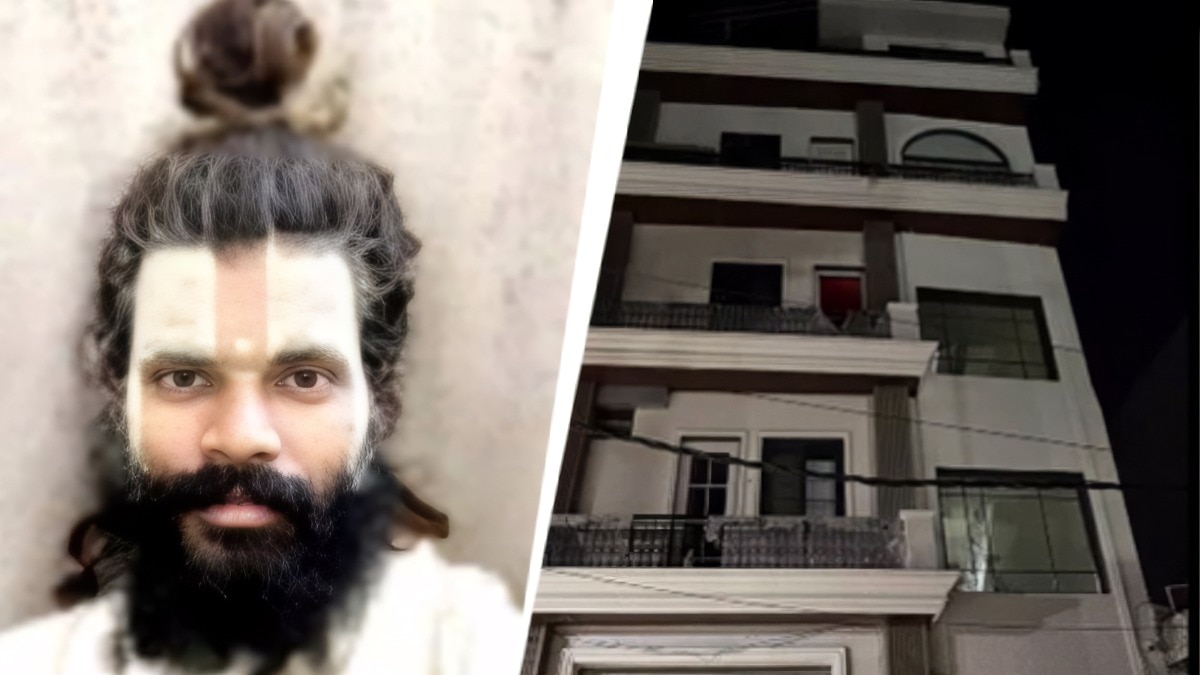
The death of Rashik Dulari Sharan, a disciple of the well known religious figure Premanand Maharaj, has become the focus of an intense investigation in Mathura after he fell from an apartment building in Vrindavan, with police examining forensic evidence that includes deleted mobile data and CCTV footage to determine the sequence of events that led to the incident. Reports surrounding the case have referred to the recovery of a grinder and injuries to the victim's private parts, details that have deepened the mystery and fueled widespread public speculation. The police have not publicly concluded whether the death was an accident, a suicide, or the result of foul play, and officials have stressed that the investigation remains at a preliminary stage. The case has drawn attention not only because of its disturbing circumstances but also because of the deceased's association with a prominent spiritual leader whose following extends across several states. Investigators are treating the forensic examination of digital evidence as central to establishing a clear timeline of the last hours before the fall.
Sharan was reportedly part of the circle of devotees associated with Premanand Maharaj, a religious preacher with a substantial following in Uttar Pradesh and beyond, and his death has thrust the internal affairs of that community into the public spotlight. Vrindavan, a town in the Mathura district, is a major pilgrimage destination and home to numerous ashrams, temples, and religious organizations, making any incident involving a well known spiritual figure a matter of considerable local and regional interest. The apartment building from which he fell has become a focal point of the investigation, with forensic teams gathering material and questioning those who were present in the vicinity. The discovery of a grinder at or near the scene, combined with the reported injuries, has raised questions that investigators have so far declined to answer definitively. Police have appealed for patience, noting that premature conclusions could compromise the probe.
Key details that have emerged in the public domain include the recovery of CCTV footage from the building and its surroundings, which investigators are using to reconstruct movements before and after the fall. Forensic specialists are also working to retrieve data from the deceased's mobile phone, including communications that were apparently deleted, in an effort to understand his state of mind and his contacts in the period leading up to the incident. Officials have indicated that the post mortem report and the forensic analysis of the device will be crucial in determining the nature of the injuries and whether they are consistent with a fall or with prior assault. The presence of the grinder has not been fully explained by authorities, and it is unclear whether it is directly connected to the injuries described in media accounts. Investigators have questioned multiple people, including residents of the building and acquaintances of the deceased, and are reviewing the possibility of more than one person being involved.
The case has triggered demands for a thorough and transparent inquiry from various quarters, with local residents and members of the religious community expressing shock at the circumstances. Questions have been raised about the safety and oversight of devotees living in ashram related accommodations, especially when incidents involve unusual injuries or missing evidence. Legal experts have noted that the credibility of the investigation will depend heavily on the preservation of forensic material and the speed with which the digital evidence is analyzed. The involvement of a figure as prominent as Premanand Maharaj has amplified media coverage, and any perceived laxity in the probe could invite scrutiny from the courts or from political actors in Uttar Pradesh. Officials have urged the public to avoid circulating unverified claims, warning that rumor can obstruct the investigation.
The incident comes amid broader and ongoing concerns about the treatment of adherents within large religious followings and the accountability of influential spiritual leaders in India. In recent years, several cases involving ashrams, Deras, and prominent godmen have raised questions about internal governance, consent, and the protection of vulnerable followers. Uttar Pradesh, where Mathura and Vrindavan are located, has seen a number of high profile investigations into deaths connected to religious institutions, each prompting debates about the reach of law enforcement when influential figures are involved. The growing reliance on digital forensics, including recovery of deleted messages and call records, has become a defining feature of such investigations, often providing the breakthrough that physical evidence alone cannot. At the same time, the intense media and social media attention that such cases attract can complicate the work of investigators and prejudice the rights of those involved.
There is a long history in India of mysterious deaths at religious sites and ashrams that have generated public suspicion and prolonged legal battles. In several past instances, initial police conclusions of accident or suicide were later challenged by family members and activists who demanded deeper inquiries, sometimes leading to court monitored investigations. The pattern has often involved contested forensic findings, allegations of tampering with evidence, and disputes over whether local police are too close to the institutions under scrutiny. In some cases, central agencies have eventually taken over after sustained public pressure or judicial intervention, though such transfers are not automatic. The current case in Vrindavan echoes these earlier episodes in the way digital evidence and forensic detail have become central to the competing narratives emerging in public discourse.
The immediate next steps will revolve around the completion of the forensic analysis of the mobile phone and the formal findings of the post mortem, which are expected to shape the direction of the case. Police are likely to record further statements from those connected to the deceased and from residents of the apartment complex, and they may seek extended custody or issue notices as the investigation progresses. If the evidence points toward criminality, authorities could register additional charges and pursue arrests, while a finding of accident or suicide would shift attention to questions about the handling of the scene and the claims made in the days after the death. The case is also likely to be monitored by courts if family members or activists file petitions seeking a more independent probe. Ultimately, the outcome will depend on whether investigators can produce a coherent and evidence backed account that satisfies both the legal system and a public that has followed the case closely.