Sāmoa boosts national HIV preparedness after Fiji emergency warning
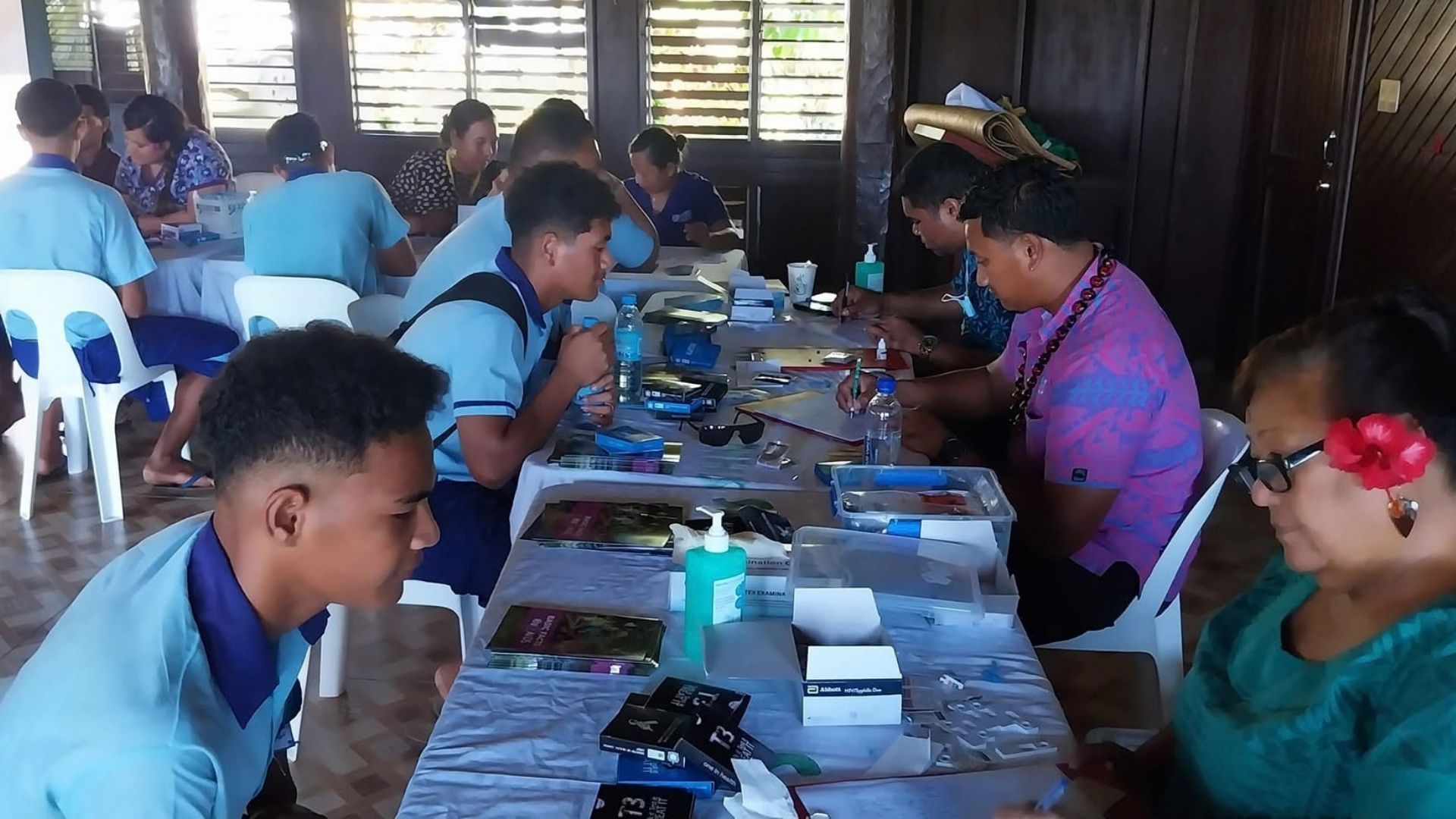
Health authorities in Sāmoa have moved to strengthen national HIV surveillance and preparedness measures following an emergency warning issued by counterparts in Fiji, with officials in Apia citing the high volume of air traffic between the two Pacific Island nations as a key factor in their decision. The two countries are linked by roughly 14 flights a week, a busy corridor that health planners view as a potential route for transmission and a reason to sharpen monitoring systems. Sāmoa's response includes tightened screening and reporting protocols, expanded laboratory readiness and closer coordination with regional health bodies. The move reflects growing concern across the Pacific that HIV, long comparatively contained in many island states, could spread more quickly as travel, trade and labour mobility increase.
The warning from Fiji followed a rise in reported HIV cases there, part of a pattern that has prompted several Pacific governments to reassess their prevention and testing programmes. Fiji, as the region's most populous island economy outside Papua New Guinea, functions as a hub for travel, shipping and seasonal labour, and its health system often serves as a reference point for smaller neighbours. Sāmoa shares deep cultural, family and commercial ties with Fiji, and thousands of travellers move between the two countries each year. Pacific health officials have for some time cautioned that low recorded case numbers in smaller islands do not necessarily mean low risk, since testing coverage and surveillance capacity vary widely. The Fiji alert therefore carried weight well beyond its own borders, prompting Apia to act preemptively.
Sāmoa's Ministry of Health has been reviewing its testing capacity, contact tracing arrangements and supply of diagnostic kits and antiretroviral medicines, according to general descriptions of the preparedness effort. Officials have emphasised surveillance, meaning the systematic collection and analysis of case data, rather than border closures or travel bans. Regional agencies, including the Pacific Community and the World Health Organization's Pacific office, have long supported island nations with laboratory equipment, training and technical advice. The 14 weekly flights between Apia and Fiji are operated under existing aviation agreements and remain unaffected by the health measures. Public health messaging in Sāmoa has also focused on testing, condom use and reducing stigma, which officials identify as a major barrier to people seeking diagnosis and care.
Reaction within Sāmoa has been cautiously supportive, with health workers and community organisations welcoming the increased attention but noting that resources are stretched. Clinics in Apia and on Savai'i handle a wide range of public health duties, and adding HIV surveillance places further demands on limited staffing. Civil society groups that work with vulnerable populations have stressed that any expanded programme must protect confidentiality, since small island communities often have close social networks in which privacy concerns deter testing. Regional commentators have framed the development as evidence that Pacific nations are increasingly treating health security as a shared regional responsibility rather than an isolated national matter. There is also recognition that preparedness depends as much on community trust as on laboratory capacity.
The Sāmoa response fits into a wider regional trend in which Pacific island countries are building joint frameworks for disease surveillance, laboratory networks and emergency response. That shift accelerated during the COVID, 19 pandemic, when island states grappled with border closures, vaccine logistics and fragile supply chains, and it has since been applied to other health threats including dengue, measles and tuberculosis. HIV remains comparatively uncommon in most Pacific island states, but Papua New Guinea accounts for the overwhelming majority of reported cases in the region, and authorities worry that mobility could seed new clusters elsewhere. Donor partners, including Australia and New Zealand, fund much of the region's public health infrastructure, and their priorities influence how quickly smaller nations can scale up testing and treatment.
Historically, the Pacific has seen how quickly infectious diseases can travel along aviation and maritime routes. Measles outbreaks in the region have been traced to travellers arriving from countries experiencing epidemics, and dengue has repeatedly spread between island groups through the movement of people and goods. The COVID, 19 pandemic demonstrated both the vulnerability of small island economies to border closures and their capacity, when supported, to mount rapid vaccination and testing campaigns. HIV presents a different challenge, because effective control depends less on travel restrictions than on sustained testing, treatment and stigma reduction over many years. Regional health officials frequently cite the lesson that early, quiet investment in surveillance prevents far costlier emergencies later.
In the coming weeks and months, Sāmoa is expected to publish updated guidance for clinics and laboratories, continue discussions with regional partners on technical support, and monitor case data from Fiji closely. Officials may also consider targeted testing among travellers and higher, risk groups, alongside public awareness campaigns delivered through churches, schools and community networks that hold significant influence in Sāmoan society. Whether the Fiji warning translates into a sustained rise in cases in Sāmoa is uncertain, and health authorities say the purpose of preparedness is to ensure that if transmission does occur, it is detected and contained quickly. The episode is likely to reinforce calls for stronger, better, funded regional health cooperation across the Pacific. For now, Apia's message is one of vigilance rather than alarm.