
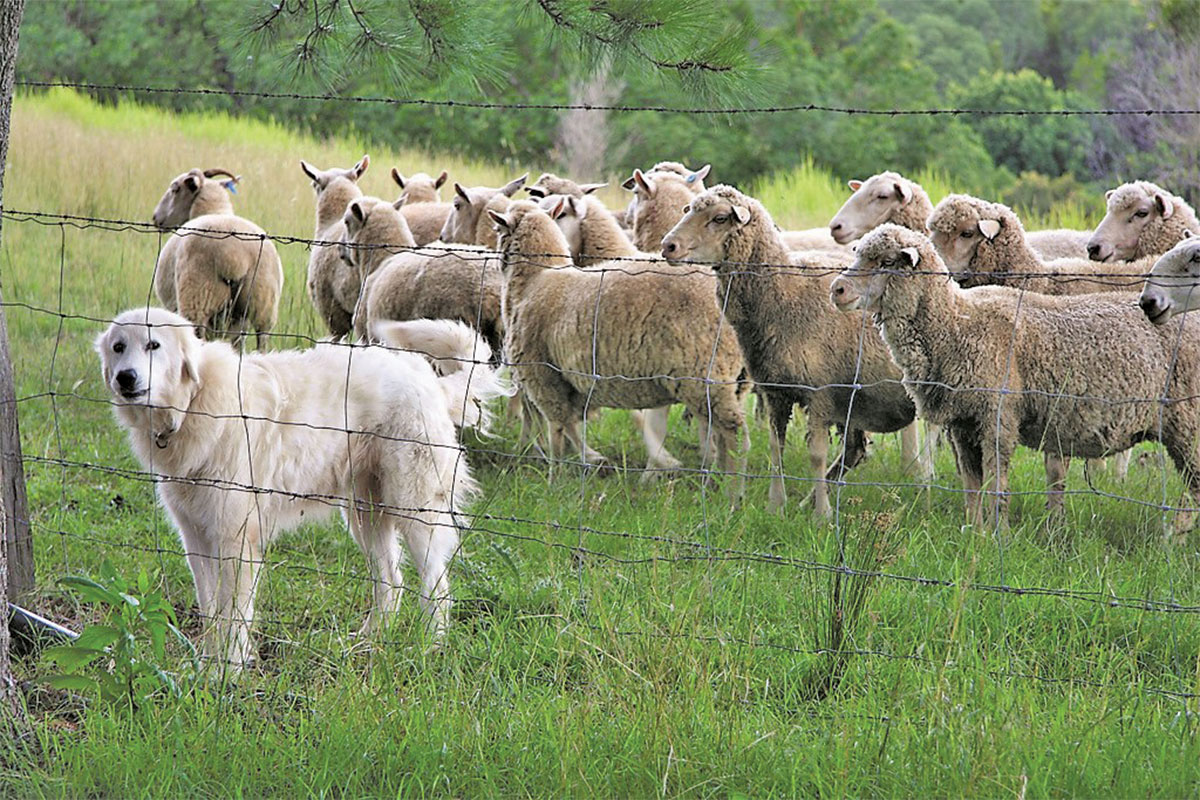
World Rabies Day raising awareness around dog vaccinations
World Rabies Day, observed every year on September 28, serves as a global reminder of a preventable disease that continues to claim tens of thousands of lives annually, with the vast majority of those deaths occurring in Asia and Africa. This year, the occasion has been marked by renewed attention to the role of dog vaccination in breaking the cycle of transmission, following surveillance data from South Africa indicating that most human rabies infections in the country are linked to bites from infected dogs. Fiona Miles, director of the animal welfare organisation FOUR PAWS South Africa, used the occasion to stress that routine immunisation of pets and stronger community awareness are central to eliminating the disease. The message carries particular urgency because children are among the groups most vulnerable to rabies exposure, often through bites sustained during everyday play or while moving through neighbourhoods where free, roaming dogs are common.
Rabies is a viral disease that attacks the central nervous system and is almost always fatal once clinical symptoms appear, yet it is entirely preventable through timely vaccination, wound washing and post, exposure treatment. The World Health Organization has long identified dog, mediated rabies as the source of the overwhelming majority of human cases worldwide, and it has set a global goal of eliminating human deaths from dog, mediated rabies by 2030. Achieving that target depends heavily on mass canine vaccination campaigns, which are widely regarded as the most cost, effective intervention available. Countries that have invested in sustained dog vaccination programmes, alongside better access to post, exposure prophylaxis, have demonstrated that elimination is achievable even in resource, limited settings. South Africa's recent surveillance findings reinforce this consensus by pointing directly to infected dogs as the principal source of human infection.
The South African data reflects a pattern seen across much of the African continent, where under, vaccinated domestic dogs and large populations of free, roaming animals sustain transmission chains. Miles and other animal welfare advocates have argued that public education must go hand in hand with veterinary intervention, since many pet owners remain unaware of how often their animals need booster shots or of the consequences of skipping them. Community, level awareness campaigns, school programmes and accessible low, cost vaccination drives are among the measures repeatedly recommended by health authorities and welfare organisations alike. In many affected regions, barriers such as the cost of vaccines, limited veterinary services in rural areas and a lack of awareness about the seriousness of bites continue to hamper progress. The emphasis on routine pet vaccination therefore reflects both a scientific consensus and a practical recognition of where the gaps in prevention lie.
The implications of these findings extend beyond animal health into public health planning, household economics and child safety. A single confirmed rabies case typically triggers costly emergency responses, including contact tracing and the administration of post, exposure prophylaxis to potentially exposed individuals. Families in affected communities often face difficult decisions about seeking treatment, particularly when health facilities are distant or supplies of vaccines and immunoglobulin are limited. Children, who may be less likely to report bites or may not disclose them to adults out of fear, represent a particularly difficult group to protect through clinical means alone. For this reason, advocates argue that preventing infection at its source, by keeping dogs vaccinated, is both more humane and more effective than relying solely on treatment after exposure.
World Rabies Day forms part of a broader global push under the One Health approach, which recognises that human, animal and environmental health are deeply interconnected. International bodies, national governments and non, governmental organisations have increasingly aligned their efforts around the goal of zero human deaths from dog, mediated rabies, combining vaccination drives with surveillance, education and improved access to medicines. Progress has been uneven, however, with some countries in Latin America and parts of Asia recording sharp declines while others continue to report persistent caseloads. The COVID, 19 pandemic disrupted vaccination campaigns in several regions, setting back gains and underscoring how fragile prevention infrastructure can be. In this context, annual awareness days serve not only to educate the public but also to pressure governments and donors to maintain funding for elimination efforts.
Historically, rabies has been recognised as a human scourge for millennia, and the development of modern vaccines in the late nineteenth century transformed it from an inevitable death sentence into a preventable condition. Mass dog vaccination campaigns in the twentieth century eliminated canine rabies across large parts of Europe and North America, proving that sustained public investment can succeed. Countries such as Sri Lanka and parts of India have more recently reported meaningful reductions in human deaths after scaling up canine immunisation and post, exposure care. These examples are frequently cited by organisations such as FOUR PAWS and the WHO to argue that the remaining burden is a matter of political will and resources rather than scientific limitation. South Africa's surveillance findings thus fit into a well, documented global pattern rather than representing an isolated or novel problem.
Looking ahead, the coming years will test whether countries can translate awareness into sustained action, particularly as the 2030 elimination target approaches. Veterinary authorities are expected to expand low, cost or free vaccination drives, strengthen surveillance systems to track canine rabies cases and improve the availability of post, exposure prophylaxis in rural and underserved areas. Animal welfare groups are likely to continue pressing for stricter enforcement of pet vaccination requirements and for humane management of free, roaming dog populations. Schools and community organisations may play a growing role in teaching children how to avoid bites and what to do if one occurs. Whether these combined efforts succeed will determine not only the trajectory of rabies in South Africa but also the pace of global progress toward a future in which no child dies from a disease that vaccines can prevent.