
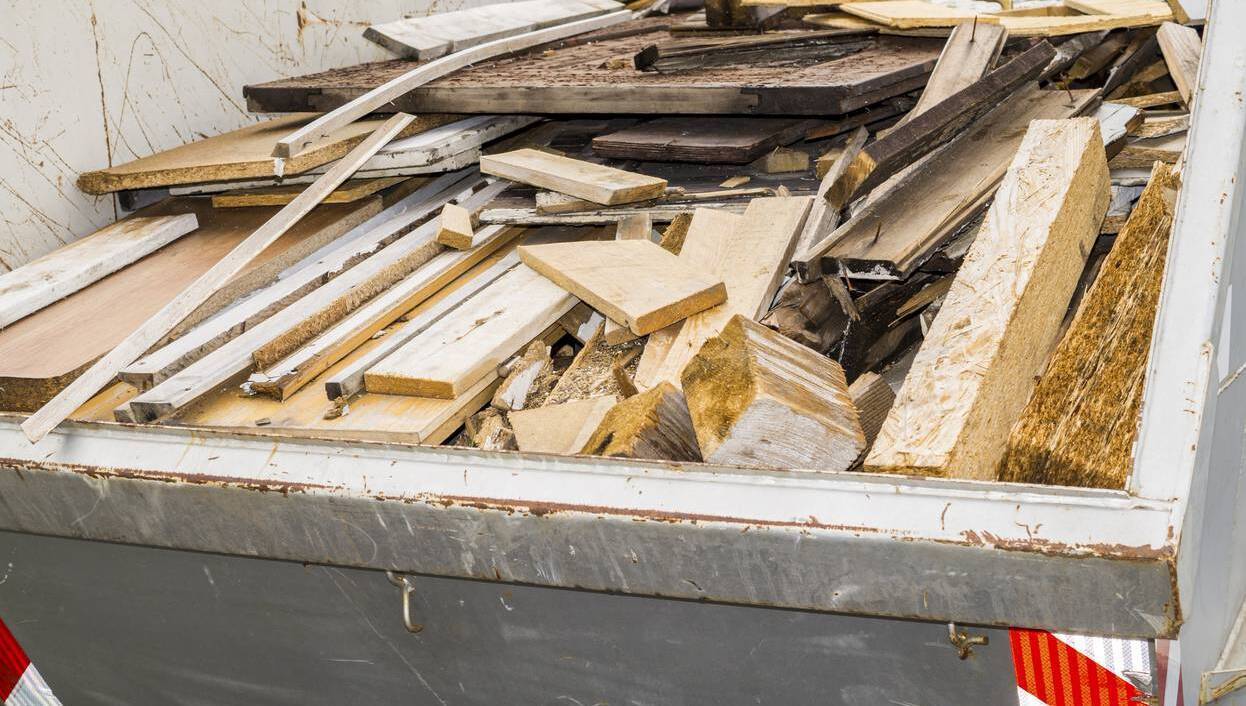
Cork councillors warn hike in timber recycling charges could lead to dumping
Independent Ireland councillor Danny Collins has warned that newly introduced increases in timber recycling charges at civic amenity sites could drive people towards illegal dumping rather than paying what he described as extravagant fees. The warning came during a meeting of Cork County Council, where elected members debated the impact of the revised gate fees on households and small businesses that routinely dispose of waste timber, pallets and similar material. Councillors across party lines expressed concern that the higher charges would disproportionately affect rural communities with limited access to alternative disposal options. The issue centres on the cost of recycling treated and untreated wood at council, run facilities, which members argued has risen sharply enough to change public behaviour. Collins and his colleagues contend that when legitimate disposal becomes too expensive, a portion of the public will simply leave timber in hedgerows, laneways and bogland rather than pay.
The background to the dispute lies in the ongoing effort by local authorities to make waste management services financially self, sustaining while meeting national and European recycling targets. Cork County Council, like many local authorities, operates a network of civic amenity sites and recycling centres where householders can bring segregated waste streams, including timber, for a fee. Rising operational costs, tighter regulation of waste facilities and the expense of processing construction and demolition wood have all contributed to pressure on these charges. Councillors have argued that the balancing act has tipped too far towards cost recovery at the expense of encouraging responsible disposal habits. The debate reflects a wider tension between the funding model for public waste services and the environmental goal of keeping recyclable material out of the ground.
Timber brought to civic amenity sites is typically segregated and sent for processing into products such as chipboard, panel board and biomass fuel, depending on its quality and treatment. Treated timber, painted wood and timber containing preservatives require more careful handling and cannot always enter the same recycling streams as clean offcuts, which adds to processing costs. Councillors raised concerns that the revised pricing structure does not adequately distinguish between these categories, meaning householders with small quantities of clean timber may face charges similar to those disposing of more problematic material. The elected members also questioned whether the council had sufficiently publicised the changes in advance, leaving many residents unaware of the new rates until they arrived at a facility. Independent Ireland representatives stressed that affordability, not indifference, is the chief obstacle for many households.
The reaction from councillors has focused on the practical consequences rather than abstract policy, with members describing the likely impact on roadside cleanliness, farmland and amenity areas. They warned that illegal dumping of timber imposes hidden costs on the council itself, since cleanup, enforcement and prosecution all draw on the same limited resources that the charges are intended to protect. Some members called for a review of the fee structure, arguing that a tiered approach based on volume or a waiver for small domestic loads would be more effective than a flat increase. Others urged the council to strengthen its education and awareness campaigns so that residents understand why the charges exist and what alternatives are available. The discussion also touched on the burden placed on small tradespeople, who may be tempted to dispose of waste wood informally to keep job costs competitive.
This debate fits into a broader national conversation about waste policy, circular economy goals and the funding of local services in Ireland. Local authorities have faced sustained pressure to increase recycling rates, reduce reliance on landfill and meet binding EU targets, while simultaneously coping with constrained budgets and rising contractor costs. Similar tensions have surfaced at council meetings around the country, where members have questioned whether pricing mechanisms penalise compliant households more than they deter illegal activity. The construction sector's demand for sustainable timber disposal has also grown, with processing capacity and market prices for recovered wood fluctuating in recent years. Environmental groups generally support charging for waste to reflect its true cost, but acknowledge that affordability and convenient access are essential if the public is to cooperate.
Historically, Ireland has struggled with illegal dumping and fly, tipping, particularly in rural areas where enforcement is difficult and alternative disposal points are distant. Past experience with charges on plastic bags, tyres and other waste streams has shown that pricing can change behaviour, but also that sudden increases without adequate alternatives can produce unintended consequences such as roadside dumping. Previous council debates over gate fee increases at civic amenity sites have drawn similar warnings from elected members, who argue that a balance must be struck between recovering costs and maintaining public participation in recycling. The pattern suggests that the success of any charging regime depends heavily on communication, accessibility and the availability of affordable options for householders and small operators alike.
What happens next will depend on whether Cork County Council agrees to review or adjust the timber recycling charges in light of the councillors' concerns. Members are likely to seek a report from council management setting out the rationale for the increase, the revenue it is expected to generate and the potential savings from reduced dumping. A tiered pricing model, a waiver for small domestic loads or a public information campaign could all feature in subsequent discussions at committee level. If the charges remain unchanged, councillors have signalled they will continue to press the issue and monitor reports of illegal dumping in their districts. The outcome will be watched closely by other local authorities weighing similar fee adjustments, and by communities who bear the visible cost when waste ends up in the wrong place.