Mountain collapses within seconds in Nepal: Terrifying video shows people fleeing as debris comes crashing down | WATCH
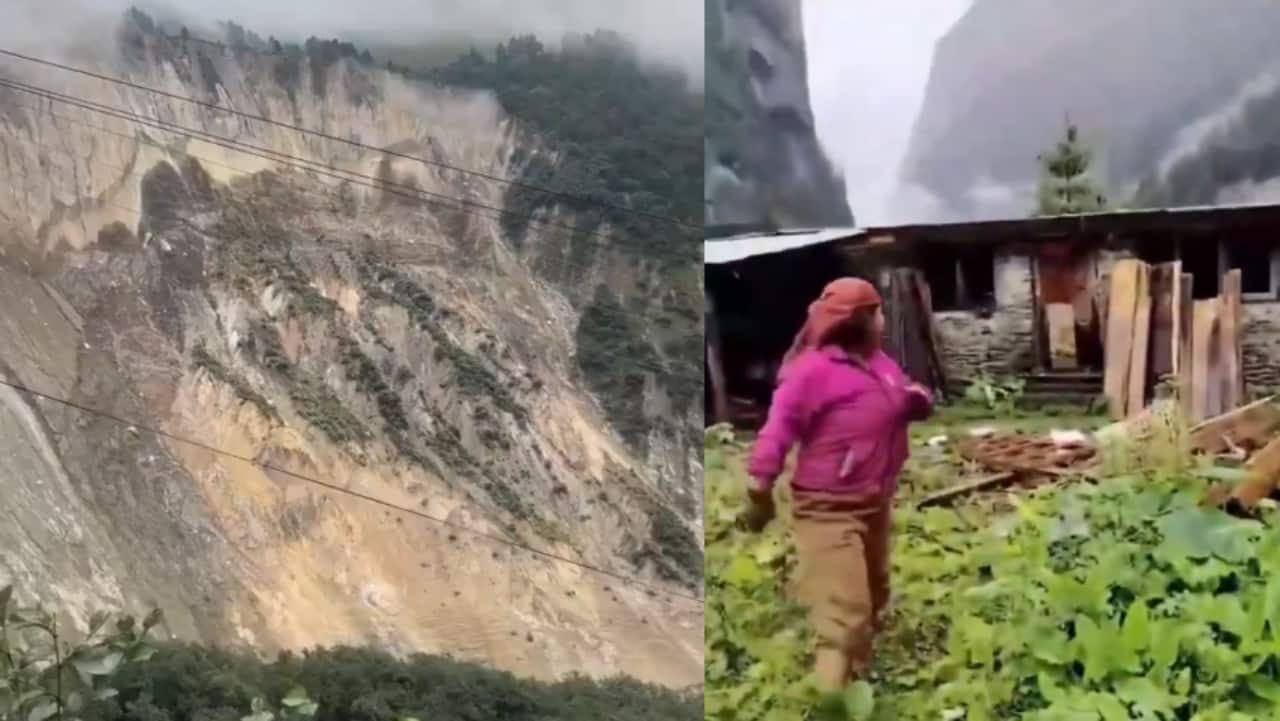
A massive landslide in Nepal sent a torrent of mud, rock and debris crashing into the swollen Kali Gandaki River within seconds, a dramatic event captured on video showing terrified people fleeing for their lives as the ground gave way beneath them. The disaster, triggered by days of relentless heavy rain, has killed at least 24 people and left 14 others missing, according to authorities, while damaging homes, roads, bridges and hydropower projects across the affected region. The terrifying footage, which circulated widely on social media, shows bystanders scrambling to safety as tons of earth and boulders cascade down a hillside, underscoring the sheer speed and ferocity with which such collapses can occur. Rescue teams have been deployed to search for the missing, though continuing rainfall and unstable terrain have complicated their efforts in the mountainous district.
Nepal, a Himalayan nation wedged between India and China, is highly vulnerable to landslides and flash floods, particularly during the monsoon season that typically runs from June through September. The Kali Gandaki, one of the country's major rivers, was already running dangerously high after days of torrential rain when the hillside gave way, sending debris plunging into the churning waters. The latest disaster is part of a broader pattern of weather, related calamities that have struck Nepal this season, with reports of multiple landslides, floods and road closures across various districts. The combination of steep terrain, fragile geology and intense rainfall creates conditions in which hillsides can collapse with little warning.
According to official accounts, the landslide struck after sustained downpours saturated the soil, causing the slope to fail and crash into the river below. The death toll of 24 and the 14 people still unaccounted for reflect the human cost of the disaster, while the damage to infrastructure, including roads, bridges and hydropower facilities, has disrupted connectivity and power generation in the region. Authorities have not released a full breakdown of where each fatality occurred or the exact timing of the collapse, and details of the rescue operation remain fluid as search parties comb through debris. What is clear is that the event unfolded with terrifying speed, leaving those in its path with virtually no time to escape.
Local communities and officials have expressed alarm at the frequency with which such disasters are occurring, with residents describing the sound of the collapsing hillside and the panic that followed. Rescue and relief operations have been mobilised, with security forces, local volunteers and disaster response teams working to locate the missing and assist survivors. The damage to hydropower projects is particularly significant in a country that relies heavily on hydroelectricity, and the destruction of roads and bridges has isolated some communities. The incident has renewed calls for better early warning systems, stricter regulation of construction in vulnerable areas and improved disaster preparedness in a nation that faces these threats year after year.
The disaster in Nepal fits into a wider pattern of extreme weather events across South Asia, where monsoon rains routinely cause loss of life and widespread destruction. Scientists have long warned that climate change is intensifying rainfall patterns, making landslides and floods more frequent and more severe in mountainous regions. Nepal's geography, with its steep slopes and young, unstable geology, amplifies these risks, and rapid urbanisation and road, building have further destabilised many hillsides. The toll from this season's disasters adds to a grim tally of lives lost and livelihoods destroyed across the region, highlighting the growing challenge of protecting vulnerable populations in an era of increasingly erratic weather.
Nepal has a long and painful history of devastating landslides and floods, including catastrophic events that have claimed hundreds of lives and swept away entire villages. In recent years, the country has experienced repeated disasters during the monsoon, with landslides burying homes, blocking highways and washing away farmland. The Kali Gandaki region itself has witnessed damaging floods and slope failures in the past, and the recurrent nature of these events has prompted debate about land, use planning, deforestation and the safety of infrastructure built on unstable ground. Despite these lessons, resource constraints and weak enforcement have often limited the effectiveness of mitigation measures, leaving communities exposed to the next disaster.
Going forward, authorities are expected to continue search and rescue operations while assessing the full extent of the damage to homes and infrastructure. Relief supplies will need to reach affected communities, and efforts to restore road links and power generation will be a priority once conditions allow. The disaster is likely to reignite discussions about investment in early warning systems, slope stabilisation and stricter building codes in vulnerable areas, though translating such intentions into action has historically proved difficult. For the families of the dead and missing, the immediate focus remains on recovery, even as the nation braces for the possibility of further landslides should the rains continue.