
Explain legal basis of MDR, Supreme Court tells Centre
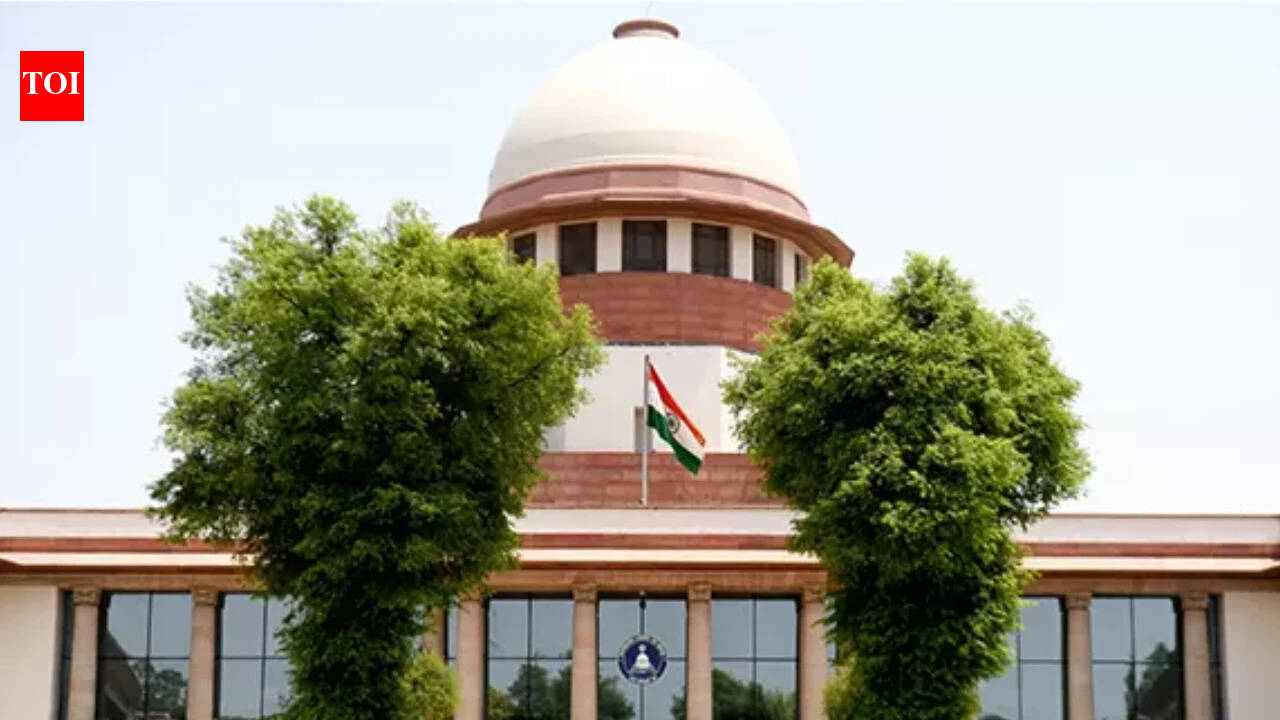
The Supreme Court on Monday asked the Union government, the Reserve Bank of India and the National Payments Corporation of India to explain the legal basis for the Merchant Discount Rate framework governing digital payments in the country. A bench hearing a batch of petitions on the contentious issue sought clarity on the specific statutory or regulatory provision under which the MDR is levied, waived or subsidised. The court's direction came in the context of a long, running dispute over who bears the cost of processing digital transactions and whether the current arrangement has any firm legal foundation. The query effectively puts the onus on the executive and the central bank to justify a regime that touches crores of daily transactions across cards, unified payments interface and other electronic modes.
The Merchant Discount Rate is essentially the fee that a merchant pays to a bank or payment processor for accepting a digital payment, and it is typically shared among the acquiring bank, the issuing bank, the card network and the payment gateway. Over the years, the government and the RBI have repeatedly adjusted the MDR structure to promote digital transactions, including a phase in which the charge was waived for certain modes such as RuPay debit cards and UPI. The petitioners have contended that the framework lacks a clear statutory anchor, particularly after provisions relating to MDR in the Payment and Settlement Systems Act were cited in differing ways by various stakeholders. The court's question therefore goes to the heart of whether these decisions rest on delegated legislation, executive policy or something else entirely.
The NPCI, set up as a not, for, profit entity promoted by banks and the RBI, operates the UPI and RuPay platforms, which now account for the bulk of retail digital payments in the country. The RBI has, over time, issued circulars and directions on MDR, and Parliament has also stepped in through the Finance Act to address certain aspects of the charge, particularly for specified modes. However, the interplay between these instruments has not been free of ambiguity, and industry bodies have long sought a stable, clearly defined legal position. The court's direction is significant because it seeks to establish whether the present arrangement is grounded in any specific provision of law or whether it has evolved largely through administrative practice. The responses of the Centre, the RBI and the NPCI are expected to clarify the legal architecture underlying the system.
The issue has drawn reactions from merchant associations, digital payment companies and banks, many of which have differing commercial interests in how MDR is structured. Merchants have argued that the cost of accepting digital payments, when imposed on them, can be a disincentive, particularly for small businesses operating on thin margins. Payment companies and banks, on the other hand, maintain that some form of cost recovery is necessary to sustain the infrastructure that processes millions of transactions daily. Any judicial observation on the legality of the framework could therefore have wide, ranging implications for pricing, competition and the viability of various payment platforms. It could also influence how the government chooses to subsidise or incentivise digital transactions in the future.
The case sits within a broader global debate about the regulation of payment systems and the balance between promoting digital adoption and ensuring that intermediaries can recover their costs. In India, the rapid expansion of UPI has made digital payments a mass phenomenon, with transaction volumes rising sharply year after year. This scale has made the question of MDR politically and economically sensitive, since even a small change in the rate can translate into substantial sums across the economy. The government has at times absorbed the cost of certain transactions to shield merchants and users, a practice that raises its own questions about fiscal sustainability. The court's scrutiny thus reflects wider concerns about transparency, accountability and the legal foundations of India's digital payments architecture.
Historically, India's approach to MDR has evolved through a mix of legislation, central bank circulars and executive decisions rather than a single comprehensive statute. The Payment and Settlement Systems Act of 2007 gave the RBI broad powers to regulate payment systems, and subsequent amendments and finance laws addressed specific aspects of the charge. Similar debates have arisen in other jurisdictions, where regulators have grappled with capping or banning interchange fees to protect merchants and consumers. In India, earlier rounds of litigation and policy changes have seen MDR rates revised for debit and credit card transactions, often in response to concerns about the burden on small businesses. The current proceedings mark another chapter in this ongoing effort to define the legal contours of a rapidly evolving payment ecosystem.
What happens next will depend largely on the responses filed by the Centre, the RBI and the NPCI, and on how the court assesses the sufficiency of the existing legal provisions. The bench could either accept the framework as validly grounded or direct the authorities to bring in clearer statutory backing, which might require legislative action. Any such direction could prompt a review of the current MDR structure, affecting banks, payment companies, merchants and ultimately consumers. The matter is likely to be listed for further hearing after the responses are submitted, and stakeholders across the digital payments sector will be watching closely. The outcome could shape not only the cost of digital transactions but also the legal template for regulating India's fast, growing payments industry.