
Supreme Court asks Centre to consider exempting Class 6 students from CBSE three, language policy this year
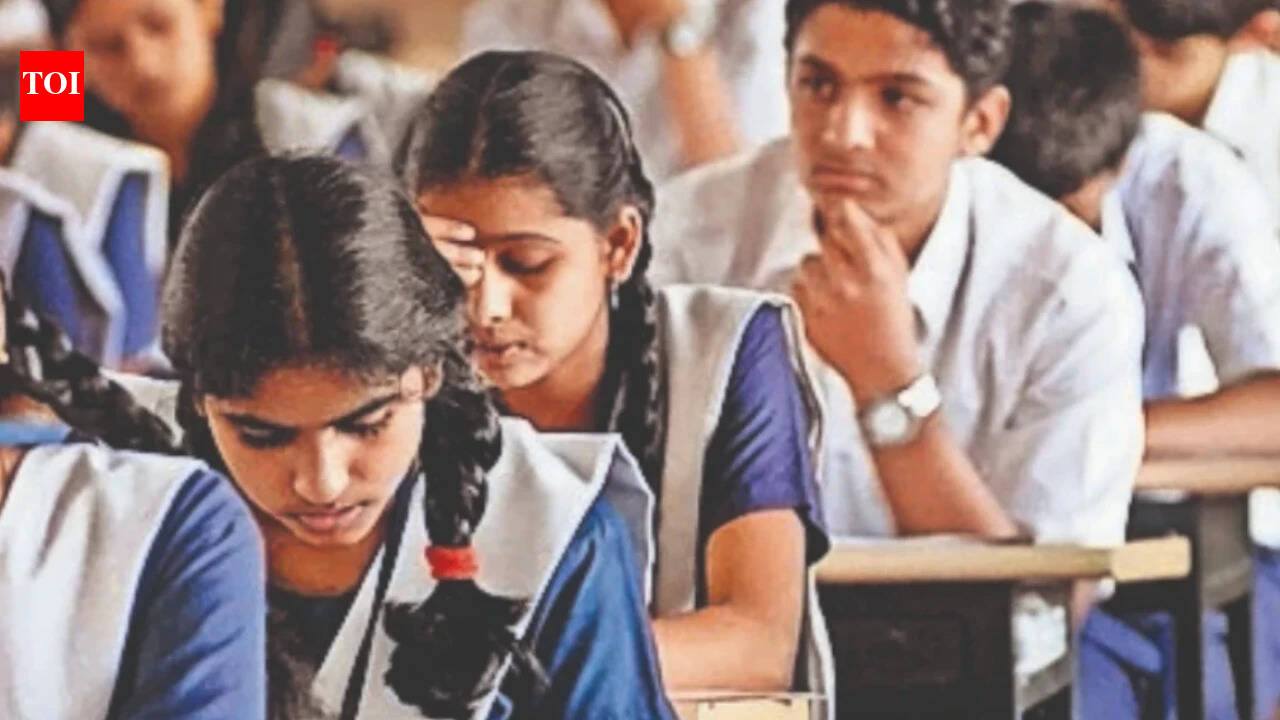
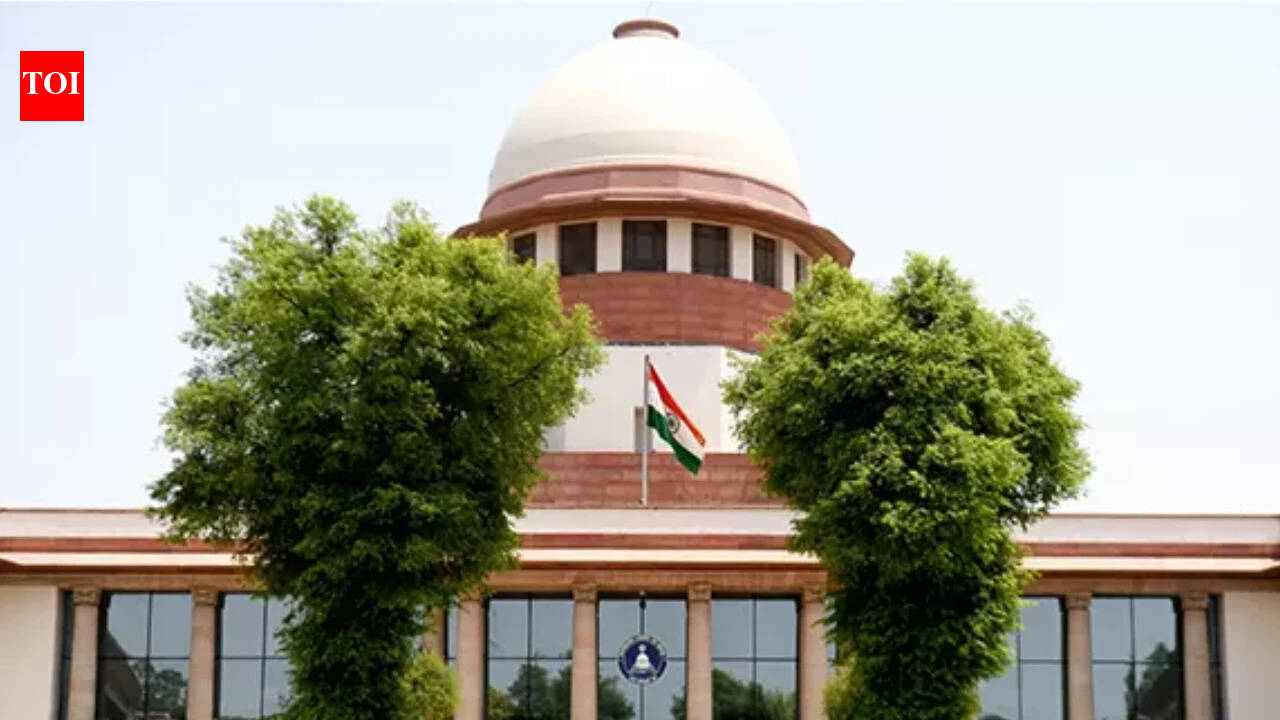
The Supreme Court has asked the Union government to consider extending to Class 6 students the exemption already granted to Class 7 students from the CBSE's three, language formula for the current academic year. The direction, which emerged during an ongoing hearing on language policy in schools, effectively nudges the Centre and the Central Board of Secondary Education to align the treatment of the two grades until a final policy decision is taken. The court's concern appears to be that students in the middle of their schooling should not be subjected to a sudden change in curriculum requirements that could disrupt their academic progression. The CBSE has not yet issued formal guidance on how the exemption is to be implemented, leaving schools and parents in a state of uncertainty. The matter is being watched closely by state governments, education boards, and parent bodies across the country.
The three, language formula is a long, standing element of India's education policy, recommended decades ago to promote multilingualism and national integration while giving states flexibility in implementation. The 2020 National Education Policy reinforced the idea of teaching three languages in schools, though it stated that no language would be imposed on any state or student. Tamil Nadu has been the most vocal opponent of what it views as the imposition of Hindi through the three, language structure, and the dispute has repeatedly escalated into political confrontation between the Centre and the state. The CBSE, which follows central policy directives, has had to navigate these sensitivities while framing its curriculum rules. The current court intervention comes amid confusion over how the policy applies in practice to different grade levels.
The immediate trigger is the exemption that has been extended to Class 7 students, which the court now wants the government to consider replicating for Class 6. Students who began their schooling under one set of rules now face the prospect of needing to add a third language midway, which parents and school administrators argue could be unfairly burdensome. The court has not directed the government to grant the exemption outright but has asked it to apply its mind to the question, a distinction that keeps the policy decision formally with the executive. CBSE affiliated schools, which are present across the country including in states that strongly oppose the three, language framework, are awaiting clarity before finalizing timetables and subject allocations. The absence of written CBSE guidance has meant that individual schools are interpreting the situation differently, creating uneven experiences for students.
Reactions to the court's nudge have been mixed, with opponents of the three, language formula welcoming the intervention as a safeguard for students caught mid, stream. Supporters of the policy argue that courts should not micromanage curriculum design and that the Centre has already provided flexibility to states on language choice. Parent groups have largely focused on the practical anxiety of children being asked to pick up a new language at short notice, which affects textbooks, teachers, and examination preparation. Educationists point out that mid, year or mid, stage changes to language requirements can have a disproportionate impact on students in non, metropolitan schools with limited language teaching resources. The Central government has indicated in the past that it does not intend to impose any language, but the operational details of the policy have remained contested.
This dispute sits within a wider, decades, old debate over language politics in India, where linguistic identity is closely tied to regional pride and electoral calculations. Southern states, particularly Tamil Nadu, have treated any move that appears to mandate Hindi as an encroachment on their linguistic sovereignty, and the issue has triggered major political mobilizations in the past. The National Education Policy's language provisions revived these tensions, even as its drafters insisted that the three, language formula was advisory and flexible. The Supreme Court's involvement reflects how education policy disputes increasingly end up in the judicial domain when Centre, state consensus breaks down. The outcome of this case could shape how the three, language formula is rolled out across CBSE schools for years to come.
Historically, language policy has repeatedly tested Indian federalism, from the anti, Hindi agitations in Tamil Nadu in the 1960s to more recent flashpoints over signage, recruitment, and examination languages. The three, language formula itself was crafted as a compromise, with the expectation that states would adapt it to local realities rather than follow a rigid template. Past central governments have often softened implementation timelines when states pushed back, signalling that flexibility is politically necessary in a diverse country. Courts have generally been cautious about dictating curriculum content, preferring to ask the executive to reconsider decisions that appear arbitrary or abrupt. The present case follows that pattern, with the judiciary pressing for a humane transition for students rather than pronouncing on the merits of the policy itself.
What happens next will depend largely on how the Centre and the CBSE respond to the court's suggestion. If the government agrees to extend the Class 7 exemption to Class 6 for this academic year, schools will need to quickly rework subject combinations and inform parents, while teachers adjust their lesson plans. If the Centre declines, the court may hear further arguments on whether students are being placed at an unfair disadvantage. A formal CBSE circular clarifying the position for both grades is expected to be the key document that resolves the immediate confusion. Beyond this year, the larger question of how the three, language formula is implemented across states and boards remains unresolved, and further legal and political battles are likely.