
Australian students went scuba diving to rebuild an oyster reef; 28 underwater structures quickly attracted oysters and marine life
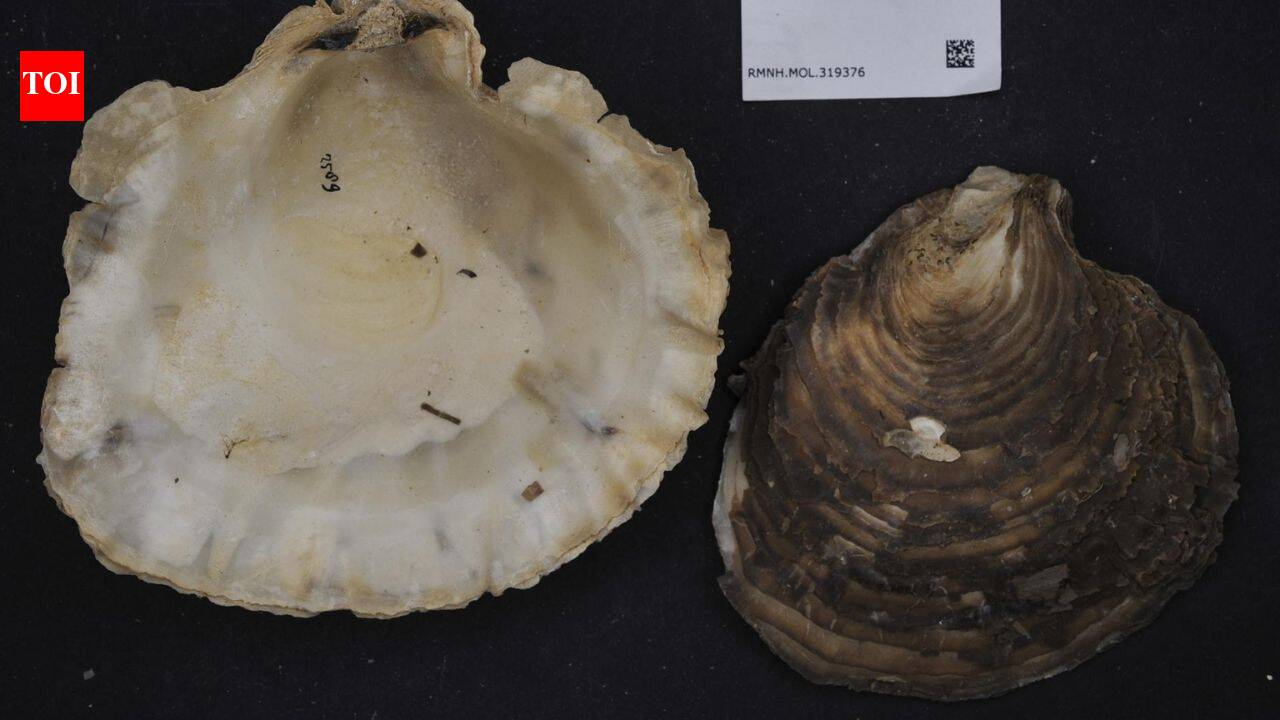
A group of Australian high school students has taken part in an unusual underwater experiment aimed at restoring native oyster reefs in Coffin Bay, South Australia. Working as certified scuba divers, the students helped install a set of underwater structures designed to serve as a foundation for new oyster growth. Within a short period, the twenty, eight structures placed on the seabed began attracting oysters and a range of other marine life, offering an early sign that the approach could work. The project combines hands, on marine science with community, led conservation, and it has drawn interest as a potential model for repairing coastal ecosystems that have been degraded over generations. The initiative reflects growing efforts in Australia and elsewhere to involve young people directly in environmental restoration rather than limiting them to classroom study.
Coffin Bay, on the Eyre Peninsula, was once home to extensive native oyster reefs that supported rich marine ecosystems and local fishing communities. Over the past century and more, those reefs were heavily depleted through overharvesting, disease, and other pressures, leaving behind largely barren seafloor in many areas. Similar losses of native oyster reefs have been documented across southern Australia, where the ecosystems are now considered among the most degraded coastal habitats in the country. The decline mattered not only for oysters themselves but for the many species that depended on the complex reef structures for shelter, feeding, and breeding. Restoring them is seen as a way to bring back biodiversity and improve the overall health of the bay.
The experiment involved placing the twenty, eight structures on the seafloor and monitoring them over time to see whether oyster larvae would settle and grow. According to general accounts of the project, the structures quickly became colonised, attracting juvenile oysters as well as fish and other organisms seeking shelter. This kind of colonisation is a key indicator that reef, building efforts are gaining traction, because oysters need hard surfaces to attach to before they can form larger reef complexes. The students, who trained as divers to participate, were involved in both the installation and the observation of the results. Their role highlighted how restoration work can double as an educational experience, giving participants direct contact with the marine environment they are trying to protect.
The early results have been welcomed as encouraging by those involved in marine conservation, who note that oyster reef restoration is a slow and uncertain process that often takes years to show measurable gains. For the students, the project offered a rare chance to contribute to real scientific work rather than a simulated exercise, and educators have pointed to the value of such experiences in building environmental awareness. The appearance of oysters and marine life on the structures suggests the bay still retains conditions favourable to reef recovery, which is not guaranteed in heavily degraded areas. At the same time, experts caution that a single set of structures is a small step and that sustained monitoring will be needed to judge whether the reef can become self, sustaining. The project has nevertheless strengthened local interest in the broader goal of reviving Coffin Bay's marine life.
The Coffin Bay effort fits into a wider movement in Australia and internationally to restore shellfish reefs that were largely lost over the past two centuries. Conservation groups, researchers, and government agencies have increasingly invested in rebuilding oyster reefs, recognising their role in filtering water, stabilising shorelines, and providing habitat for fish and invertebrates. Around the world, similar projects have sought to bring back native oyster populations in places where they had collapsed, often with the help of community volunteers and schools. These efforts are frequently framed as both ecological repairs and climate resilience measures, since healthy coastal ecosystems can help buffer shorelines and support fisheries. The involvement of students adds a long, term dimension, since the generation taking part today will inherit responsibility for maintaining such restored habitats.
Historically, native oyster reefs were once so abundant in parts of Australia that they shaped the ecology of entire estuaries and supported significant commercial and recreational activity. Their collapse followed patterns seen elsewhere, including in North America and Europe, where overharvesting and habitat loss wiped out vast reef systems that took centuries to form. Restoration science has since advanced, with practitioners learning how to construct reef bases, seed them with oysters, and monitor survival rates over time. Past projects have shown that recovery is possible but slow, and that successful outcomes often depend on sustained community and institutional commitment. The Coffin Bay experiment draws on that accumulated knowledge while adding a distinctly educational and youth, led dimension.
Going forward, the students and their partners are expected to continue monitoring the underwater structures to track how the oyster population and associated marine life develop. If colonisation continues and the oysters survive to adulthood, the structures could form the nucleus of a larger reef that might eventually expand on its own. Researchers and conservationists will likely use the results to inform similar projects in other parts of South Australia and beyond, refining methods for attracting and sustaining native oysters. The project also may pave the way for more school, based diving and marine science programmes, encouraging young people to take an active role in environmental stewardship. While the ultimate success of the Coffin Bay effort will only be clear after years of observation, its early signs have given participants and supporters reason for cautious optimism.