Full text: Pope Leo XIV’s Angelus address given Sept. 27, 2026
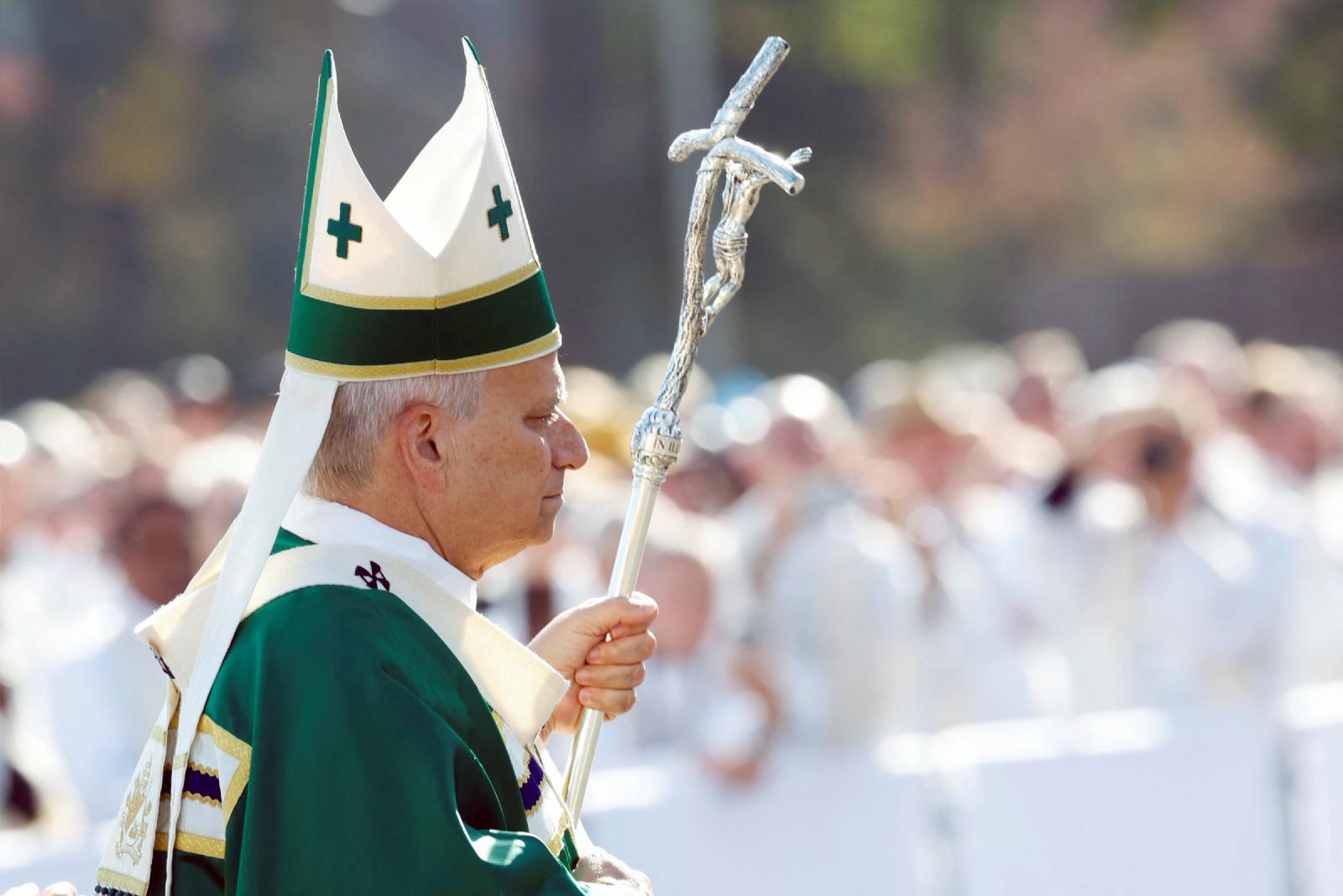
Pope Leo XIV used his Sunday Angelus address on Sept. 27, 2026, to issue a sweeping appeal for peace, inviting Catholics around the world to dedicate the coming month of October to praying the rosary with the specific intention that wars may cease. Speaking from the Vatican, the pontiff framed the request as a spiritual mobilization rather than a diplomatic initiative, asking the faithful to join in a sustained, month, long campaign of prayer for an end to armed conflict. The appeal, delivered in his regular noontime address, was notable for its directness and its global scope, touching on conflicts across multiple regions without singling out any one war. In urging the rosary throughout October, the pope tied one of the Church's most traditional devotions to the most urgent crises of the present moment.
The Angelus is one of the most consistent fixtures of the papal calendar, recited each Sunday and on major feast days, typically accompanied by a brief reflection and prayers for those suffering around the world. Pope Leo XIV has used the Angelus repeatedly during his young pontificate to draw attention to humanitarian catastrophes and to press for peace, continuing a pattern established by his predecessors. October has long held special significance for the rosary in Catholic tradition, with the Church marking the Feast of Our Lady of the Rosary on Oct. 7. That association gives the pope's request a natural liturgical anchor, tying a month, long prayer campaign to an established moment of Marian devotion.
In his remarks, the pope invited all the faithful to pray the rosary throughout October with the particular intention that wars may cease, presenting the practice as a shared act of intercession rather than a merely private devotion. He did not announce any new diplomatic mission, mediation effort, or Vatican peace initiative, keeping the focus squarely on prayer and the spiritual responsibility of believers. The address reflected his broader emphasis on peace as a moral imperative, a theme he has returned to frequently since assuming the papacy. While the text of the address did not name specific nations or conflicts, the appeal was clearly intended to resonate with Catholics living in or affected by war zones. The invitation was extended to all the faithful, not only to Catholics in a particular country or region.
Reactions to the appeal are likely to be strongest among Catholic communities in countries experiencing active conflict, where the pope's words often carry significant moral weight. Church leaders and dioceses in various parts of the world are expected to organize rosary initiatives, parish, level prayer gatherings, and special liturgies during October in response to the invitation. For observers of Vatican diplomacy, the address is unlikely to produce immediate political change, since it is framed as a call to prayer rather than a negotiation. At the same time, papal appeals of this kind can influence public opinion and encourage local Church leaders to intensify their own peace advocacy. The initiative also serves to keep the issue of war before a global audience that might otherwise move on to other news.
The appeal comes amid a period in which armed conflicts in several regions continue to cause widespread displacement, civilian casualties, and humanitarian hardship, a reality the pope has acknowledged in prior addresses. Vatican peace efforts in recent years have typically combined quiet diplomacy with public appeals, and popes have often used the Angelus as a platform to highlight crises that receive limited international attention. Prayer campaigns tied to specific months are a familiar tool in the Church's repertoire, intended to unite believers across borders in a common cause. For many Catholics, the rosary is a devotion associated with Mary as a figure of peace, which lends the pope's request a symbolic weight beyond its practical impact. The initiative also fits a broader pattern of religious leaders urging their communities to engage with global conflicts through prayer, advocacy, and humanitarian support.
Historically, papal appeals for peace have punctuated some of the most dangerous moments of the modern era, from the world wars to regional conflicts in later decades. Pope Leo XIV's call echoes earlier papal invitations to pray the rosary for peace, including Marian prayer campaigns undertaken during periods of international tension. Such appeals rarely alter the calculations of governments or armed groups directly, but they have sometimes helped sustain public pressure for negotiations and provided moral cover for those seeking peaceful resolutions. The Feast of Our Lady of the Rosary itself is rooted in a historical association with a military victory and has long been reinterpreted by the Church as a call for peace rather than triumph. The pope's decision to invoke that tradition now places his appeal within a deep layer of Catholic history and symbolism.
Over the coming weeks, attention will turn to whether dioceses, religious orders, and lay movements take up the pope's invitation in visible ways during October. Catholic media and parish networks are expected to amplify the call, and the pope himself may return to the theme in subsequent Angelus addresses or general audiences. Whether the initiative translates into any measurable diplomatic momentum is uncertain, but it will likely reinforce the Vatican's public posture as a voice for peace. For the faithful who follow the pope's request, October will be marked by a daily and weekly rhythm of rosary prayer offered for an end to war. The ultimate measure of the appeal, in the pope's own framing, lies in its spiritual fruits rather than in any immediate political outcome.