After Oct. 7 warning storm, Netanyahu secretly visits UAE and meets MBZ
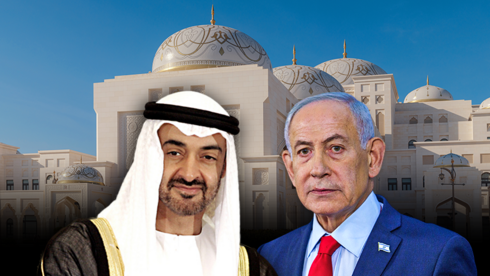
Israeli Prime Minister Benjamin Netanyahu made a secretive, one, day visit to the United Arab Emirates, flying privately to Abu Dhabi to meet with UAE President Mohamed bin Zayed Al Nahyan, according to reports that emerged after the trip. The visit was not announced in advance by either government and appears to have been kept off official schedules, reflecting the extreme sensitivity surrounding Israeli, Emirati contacts at a moment of acute regional tension. Netanyahu reportedly flew to the Emirati capital and returned to Israel the same day, a tightly controlled round trip that avoided the usual trappings of a state visit. The meeting came in the wake of the October 7 Hamas, led attack on Israel, an event that upended assumptions across the Middle East and forced a recalibration of alliances. Neither side has publicly confirmed a detailed agenda, and the secrecy surrounding the trip has fueled speculation about what was discussed behind closed doors.
The context of the visit is layered and deeply delicate. In the weeks and months before the Hamas assault, there were disputed reports that Emirati leaders, including MBZ, had conveyed warnings to Israel about rising threats and the risk of an imminent attack, though the exact nature and timing of any such messages remain contested. Those reports have circulated without definitive confirmation from either government, and Israeli officials have at times pushed back on characterizations of what was shared. At the same time, Israel and the UAE have deepened their security and economic partnership since the 2020 Abraham Accords normalized relations. That partnership has only grown more consequential amid escalating tensions with Iran and its network of regional proxies. The result is a relationship that is both strategically vital and politically fraught, particularly as the war in Gaza continues to inflame public opinion across the Arab world.
The most striking reported element of the deepening security cooperation has been Israel's temporary deployment of an Iron Dome air, defense system on Emirati soil. Such a deployment, if confirmed, would mark a significant step in the operational integration of Israeli and Gulf air defenses, which have long been discussed but rarely implemented in practice. The system is designed to intercept short, range rockets and artillery shells, and its presence in the Gulf would signal a shared assessment of threat from Iranian, aligned forces. These developments are generally described in broad terms by officials and analysts, with few precise operational details made public. The reported deployment reflects a broader pattern in which Israel and Gulf states coordinate quietly on defense while maintaining careful public distance. The secrecy of Netanyahu's trip fits that pattern, allowing both sides to preserve deniability while advancing shared interests.
Reactions to the reported visit have been muted officially but intense in diplomatic and media circles. Emirati authorities have not issued a detailed statement, and Israeli officials have largely declined to confirm specifics, consistent with the trip's clandestine nature. Analysts suggest the meeting likely focused on the Gaza war, hostages, humanitarian concerns, and the danger of a wider regional escalation involving Lebanon and Iran. Some observers argue the UAE is positioning itself as a potential mediator and a stabilizing channel between Israel and Arab capitals. Others caution that Abu Dhabi must balance its strategic ties with Israel against domestic and regional sensitivities, particularly as anger over civilian casualties in Gaza runs high. The lack of transparency has also invited scrutiny from critics who question the direction of Emirati, Israeli relations.
This visit fits into a larger realignment of Middle Eastern alliances in which traditional adversaries have explored pragmatic cooperation. The Abraham Accords, brokered with U.S. involvement, opened the door to diplomatic and commercial ties between Israel and several Arab states, and the UAE has been the most prominent among them. Since the Gaza war began, however, that normalization has faced renewed strain, with Arab governments under pressure from their publics to distance themselves from Israel. At the same time, shared concerns about Iran's nuclear program and proxy network continue to bind Israel and Gulf capitals together. The war has therefore created a paradox: public opinion pushes Arab states away from Israel, while strategic threats pull them closer. Netanyahu's reported trip is a vivid illustration of that tension, showing how quietly cooperation can proceed even as the public discourse hardens.
Historically, secret diplomacy has often preceded major shifts in the Middle East, from the clandestine contacts that led to the Camp David Accords to the back, channel talks that produced the Abraham Accords themselves. Leaders have frequently chosen to meet away from cameras to test ideas, manage risk, and avoid domestic backlash. Israel and Gulf states have a long history of discreet security coordination, including intelligence sharing and quiet military, to, military contacts, some of which predate formal normalization. The reported Iron Dome deployment echoes earlier instances in which Israel quietly provided defense assistance or expertise to partners without public acknowledgment. Such arrangements are typically revealed only long after the fact, if at all. The Netanyahu, MBZ meeting, if confirmed in fuller detail, would join a lineage of consequential encounters kept deliberately out of public view.
Going forward, the key questions are whether the UAE will publicly acknowledge the meeting and whether the reported Iron Dome deployment will become a permanent arrangement. Much will depend on the trajectory of the Gaza war, the fate of ceasefire and hostage negotiations, and whether tensions with Iran and Hezbollah escalate further. The UAE is likely to continue positioning itself as a diplomatic bridge while protecting its own security interests, and Israel will seek to preserve its quiet ties with Gulf partners even amid international criticism. Washington, which has encouraged Arab, Israeli integration, is likely to view continued cooperation positively, though it may also urge restraint on controversial deployments. The next few months could determine whether this secret outreach becomes a durable pillar of regional security or a fragile arrangement strained by the pressures of war. For now, the visit stands as a reminder that in the Middle East, the most important diplomacy often happens far from public view.