
Samsung reportedly working on a phone with an expandable display
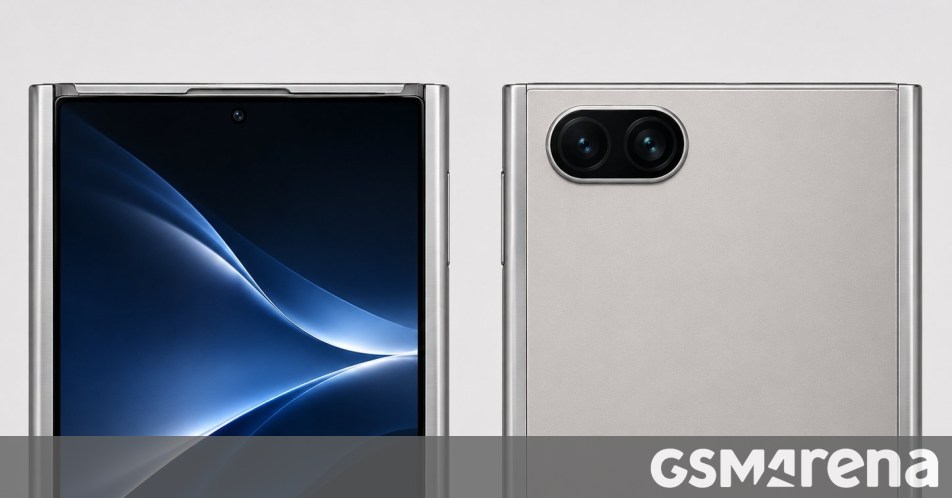
Samsung is reportedly developing a smartphone featuring an expandable, rollable display that can shift between two different aspect ratios, according to the latest claims circulating in the technology rumor ecosystem. The device, if it materializes, would represent a significant departure from the foldable form factor Samsung has championed over the past several years, replacing a hinged screen with one that physically extends or retracts from the body of the phone. Reports describing the rumor suggest the screen could offer users a choice between a standard smartphone-shaped canvas and a wider, tablet-like viewing area without the crease associated with folding panels. Samsung has not publicly confirmed the existence of such a device, and the details remain unverified speculation at this stage. The rumor has nonetheless generated considerable interest because it points to the next possible frontier in smartphone design, where display size becomes fluid rather than fixed.
The background to this rumor lies in Samsung's long-standing investment in flexible display technology through its display manufacturing arm, which has supplied foldable panels for the company's Galaxy Z series of devices. Samsung was among the first major manufacturers to bring foldable smartphones to the mass market, and it has used successive generations of those products to refine hinge mechanisms, ultra-thin glass, and panel durability. Alongside foldables, the company has periodically showcased concept devices with slidable or rollable screens at trade shows and developer events, signaling that the technology is under active exploration. Those concept demonstrations, however, have historically been years away from commercial readiness, and none has yet translated into a retail product. The new rumor suggests that work on a rollable handset may have progressed beyond the concept stage, though the absence of official confirmation means the timeline and specifications remain unclear.
What is generally understood about rollable display technology is that it allows a screen to be wound around an internal mechanism, expanding the visible area when needed and retracting it when the device is stored or used in a compact mode. This differs fundamentally from folding displays, which rely on a crease-prone hinge and a panel that folds back on itself. Industry observers have noted that rollable designs could address some of the durability and aesthetic concerns associated with foldables, though they introduce their own engineering challenges related to motorized mechanisms, dust ingress, and long-term panel reliability. The reported two-aspect-ratio capability would allow the device to serve as both a conventional phone and a larger-screen device for media consumption or productivity. These technical characteristics are consistent with the broader direction of flexible display research, even as the specific claims about Samsung's device remain unconfirmed.
Reactions to the rumor have been mixed but largely enthusiastic among technology watchers, who see a rollable phone as a natural next step for a company that has staked part of its premium identity on display innovation. Analysts have suggested that such a device could help Samsung differentiate its flagship lineup in an increasingly crowded market where conventional slab phones offer diminishing year-over-year improvements. At the same time, skeptics have pointed to the likely cost and complexity of a motorized expanding display, questioning whether the technology can be delivered at a price and durability level acceptable to mainstream consumers. The rumor also carries implications for Samsung's competitive positioning against rival manufacturers exploring similar flexible-screen concepts, particularly among Chinese brands that have shown rollable prototypes. None of these implications can be confirmed until Samsung formally announces a product.
The rumor fits into a broader pattern of smartphone makers searching for new form factors to reignite upgrade demand in a mature market. Global smartphone shipments have plateaued in recent years, and manufacturers have responded by pushing premium features such as advanced cameras, artificial intelligence capabilities, and novel display designs. Foldables represented the first major form-factor shift in years, but their high prices and niche appeal have limited their share of the overall market. Rollable displays are widely viewed as a potential successor technology that could deliver larger screens without the bulk and crease of folding devices. If Samsung brings such a phone to market, it would likely be positioned as an ultra-premium flagship intended to showcase the company's engineering capabilities rather than to drive mass-market volumes.
Historically, Samsung has used concept demonstrations to signal its display ambitions well before products reach consumers. The company has shown rollable and slidable display prototypes at various industry exhibitions over the years, often drawing crowds and generating headlines without committing to commercial launch dates. This pattern mirrors the trajectory of foldable phones, which were teased for years before the first Galaxy Fold reached store shelves. The gap between concept and product has typically allowed Samsung to refine durability and manufacturing yields, issues that proved significant in the early days of foldables. A rollable phone would likely face a similar period of engineering maturation, meaning the rumored device may be closer to a demonstration of intent than to an imminent retail launch.
What happens next will depend largely on whether Samsung chooses to acknowledge the project or continues to keep it under wraps. Industry watchers will be looking for signals at upcoming technology exhibitions and product launch events, where the company has historically offered glimpses of its display roadmap. If the rumor is accurate, the device could surface in prototype form before any commercial announcement, allowing Samsung to gauge public and press reaction. A commercial launch, should it occur, would likely carry a premium price and limited initial availability, following the playbook established with early foldables. For consumers, the practical outcome is that the smartphone's physical form may become as much a subject of innovation as its internal specifications, a shift that would reshape expectations for what a phone can be.


