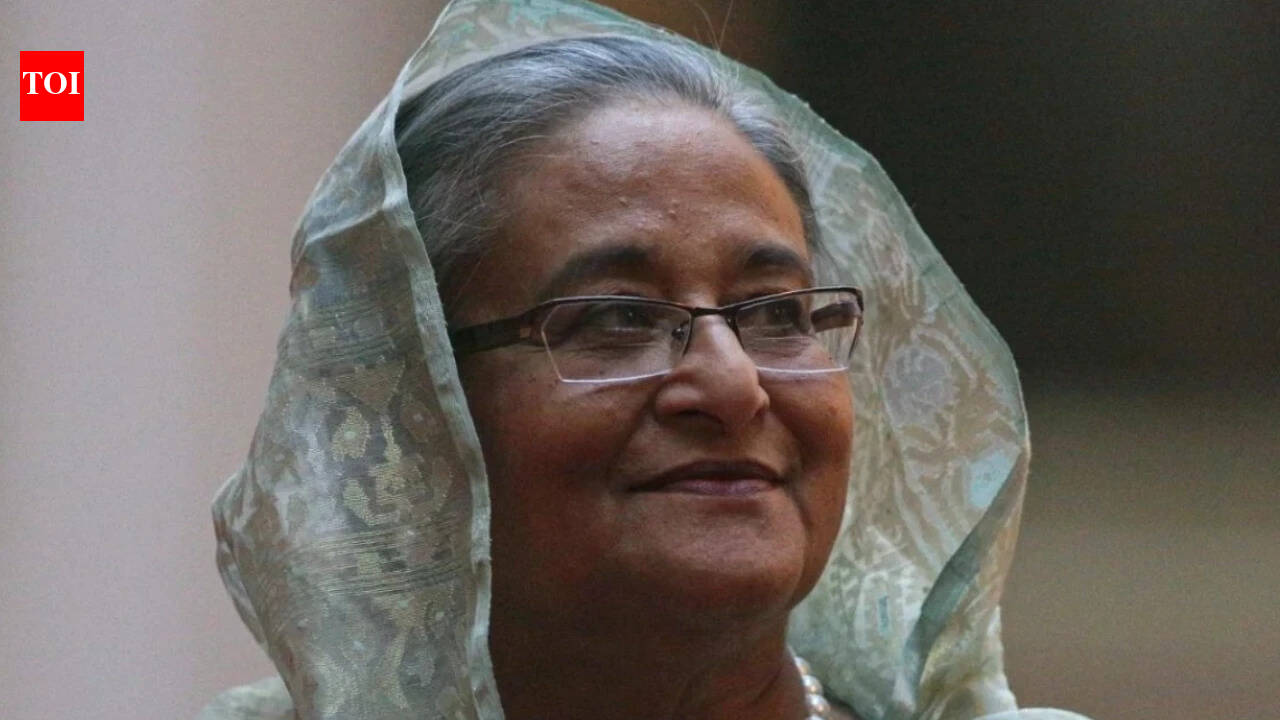
Awami members celebrating Hasina's birthday under lens
The interim government in Bangladesh, led by Tarique Rahman, has initiated a crackdown on supporters of the Awami League after hundreds of party members were reportedly seen celebrating the birthday of deposed former Prime Minister Sheikh Hasina. Authorities described the gatherings as a violation of existing restrictions on the party, whose political activities remain banned under the current administration. The government signaled that those involved in organizing or participating in the celebrations could face legal consequences, framing the events as a challenge to state authority. The move underscores the deepening confrontation between the ruling dispensation and the remnants of the Awami League's grassroots network.
The Awami League, once Bangladesh's most powerful political machine, has been effectively pushed out of mainstream politics since the dramatic change of power in Dhaka. Sheikh Hasina, who governed for more than a decade, fled the country after widespread protests culminating in her ouster. Since then, the new authorities have moved to dismantle her party's organizational reach, arresting senior leaders and restricting public assemblies. Birthday celebrations for the former premier have become a flashpoint, viewed by the government as an attempt to demonstrate that the party retains popular support despite the ban.
Officials indicated that the celebrations, which took place in several districts, were not isolated incidents but part of a coordinated effort to reassert the Awami League's presence. Reports suggest that participants waved party flags, chanted slogans, and distributed food in some areas, activities that authorities say violate the prohibitions in force. The government has not disclosed the exact number of people detained, but local media reported that police questioned numerous individuals and filed cases against several organizers. The crackdown appears designed to send a deterrent message ahead of any potential political opening.
Reactions to the government's stance have been sharply divided. Supporters of the interim administration argue that allowing banned party activities would undermine stability and the ongoing reform process. Critics, including some civil society groups, contend that penalizing peaceful birthday observances amounts to political persecution and could alienate a significant segment of the population. International observers have urged restraint, cautioning that overly harsh measures against a mainstream party could complicate Bangladesh's path toward credible elections. The episode has also intensified debate over the limits of political freedom under the current government.
This development fits into a broader pattern of political retrenchment in Bangladesh, where the space for opposition activity has narrowed considerably since the change of government. The interim administration has prioritized accountability for alleged abuses committed under the previous regime, but its actions against the Awami League have raised questions about due process and selective justice. At the same time, the party's loyalists have struggled to regroup, with many leaders in hiding or in custody. The birthday celebrations were seen by some analysts as a test of whether the Awami League can still mobilize supporters at the grassroots level.
Historically, Bangladesh has witnessed cycles of political vengeance, with incoming governments frequently targeting the parties they replace. The confrontational relationship between the Awami League and the Bangladesh Nationalist Party has shaped the country's politics for decades, often resulting in boycotts, street violence, and paralysing strikes. Sheikh Hasina herself faced prosecution and exile during earlier periods of BNP rule, and her party's supporters now find themselves in a similarly precarious position. Observers warn that repeating this pattern risks entrenching a zero, sum political culture rather than fostering democratic reconciliation.
What happens next will depend largely on whether the interim government escalates its actions or opts for a more calibrated approach. Legal proceedings against those accused of violating the ban are expected to proceed, and further restrictions on Awami League activities could follow if celebrations continue. The party's ability to contest future elections, should they be held, remains uncertain, and the treatment of its supporters will likely influence how international partners assess the credibility of the transition. For now, the birthday controversy has become a symbol of the wider struggle over Bangladesh's political future and the boundaries of dissent under its current rulers.