
A scientist turned an $80 motel room into a makeshift lab; then she discovered two new species of microscopic amoebae
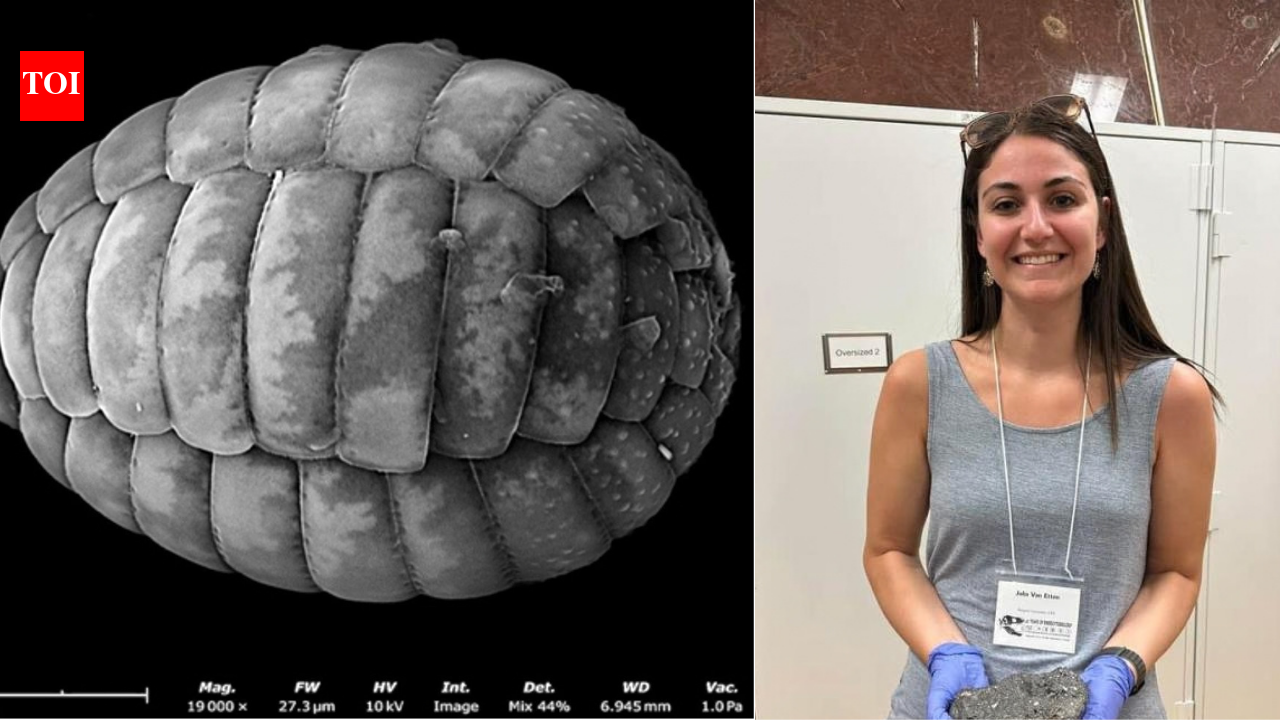
A scientist conducting follow, up fieldwork in North Carolina has discovered two new species of microscopic amoebae after converting an eighty, dollar motel room into a temporary laboratory. Faced with the absence of a formal research facility during her trip, she improvised a working bench, microscope setup and culture station within the confines of a budget room, transforming a modest lodging into a functional site of scientific inquiry. The arrangement allowed her to process environmental samples collected in the field without delaying delicate work that would have been compromised by transport. The discovery of two previously unknown amoebae species emerged from this improvised effort, underscoring how discovery can occur far from well, funded laboratories.
The findings belong to a category of organisms that rarely attract public attention despite their ecological importance. Microscopic amoebae are single, celled eukaryotes found in soil, freshwater and sediment, where they feed on bacteria and other small microbes. They occupy an important position in microbial food webs and can influence nutrient cycling in the environments they inhabit. Because they are small and often difficult to distinguish visually, new species are frequently identified through a combination of microscopy, culturing and molecular analysis rather than through casual observation. This makes careful fieldwork and sample preservation essential, particularly when a researcher is operating away from institutional support.
Field biologists often work in remote locations where access to laboratory equipment, sterile conditions and reliable power is limited. In such situations, researchers sometimes set up temporary workspaces in hotel rooms, field stations or rented cabins to perform preliminary sorting, culturing and imaging of samples. The scientist in this case was reportedly conducting follow, up work after first spotting unusual amoebae during earlier fieldwork, which prompted a return visit to collect additional material. The motel room functioned as a stopgap measure rather than an ideal facility, but it allowed the initial stages of isolation and documentation to proceed. Such resourcefulness is common in taxonomy and microbial ecology, where the window for collecting live specimens can be narrow.
The identification of new amoebae species carries implications beyond the simple expansion of a catalogue. Each new organism adds to the understanding of microbial diversity and may reveal adaptations relevant to genetics, cell biology or ecology. Researchers who study free, living amoebae also note that some relatives of these organisms can be relevant to public health and water quality, though the newly described species have not been linked to any such concerns. Scientific reactions to discoveries made under improvised conditions tend to emphasize both the value of the finding and the fragility of the circumstances that produced it. The episode also highlights how limited funding for basic taxonomic work can push researchers to make do with whatever resources are available.
The motel, room laboratory fits into a broader trend of resource, constrained science, in which researchers rely on portable instruments, open, source hardware and creative logistics to conduct work in the field. Advances in compact microscopes, digital imaging and molecular kits have made it increasingly feasible to carry out meaningful analysis outside traditional institutions. At the same time, biodiversity documentation remains chronically underfunded in many parts of the world, even as concerns grow about species loss and ecosystem change. Microorganisms, despite their abundance, are among the least documented groups, and many species are thought to remain undescribed. The discovery of two new amoebae in a single fieldwork trip illustrates how much may still be unknown in ordinary soils and waters.
Historically, some of the most significant contributions to microbiology and taxonomy have come from modest or improvised settings. Early naturalists worked from makeshift benches and personal collections, and many species were first described using simple microscopes and careful note, taking. In more recent decades, field stations and mobile labs have enabled research in remote areas, but the principle remains the same: direct observation and persistent sampling often precede formal recognition. The discovery of new amoebae species from a temporary motel setup echoes that tradition while also reflecting modern methods. It serves as a reminder that scientific discovery does not always require expensive infrastructure, though it does require expertise, patience and access to basic tools.
What happens next will depend on formal characterization and peer review. The scientist is expected to culture the organisms, document their morphology and behavior, and generate molecular data to confirm that they represent distinct species. If the evidence holds, the findings would be submitted for publication and the new species formally named and described according to taxonomic conventions. The work may also encourage further sampling in the same region to determine how widespread the organisms are and whether related species remain undiscovered. While the motel room itself will not become a permanent laboratory, the episode may add to calls for better support for field, based taxonomy and microbial diversity research.