Nani says ‘The most noise a film has made in 2026 is The Paradise’ as he reacts to audience response to his latest release, directed by Srikanth Odela
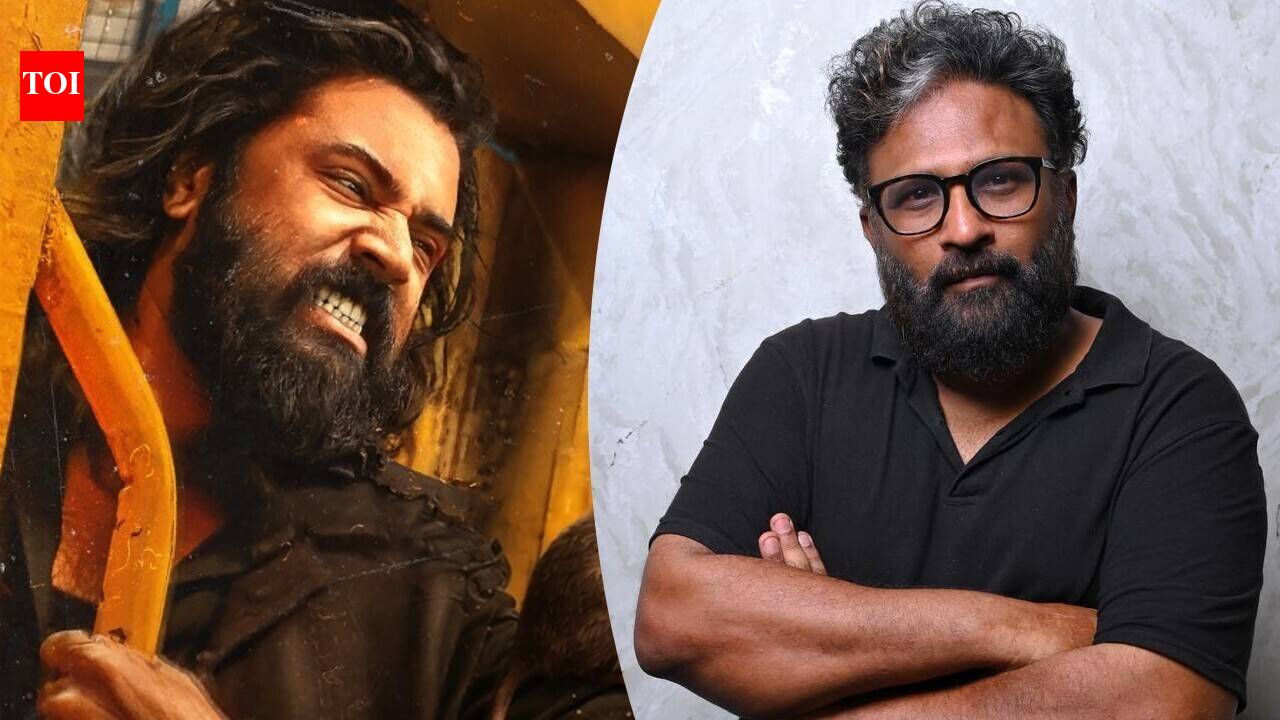
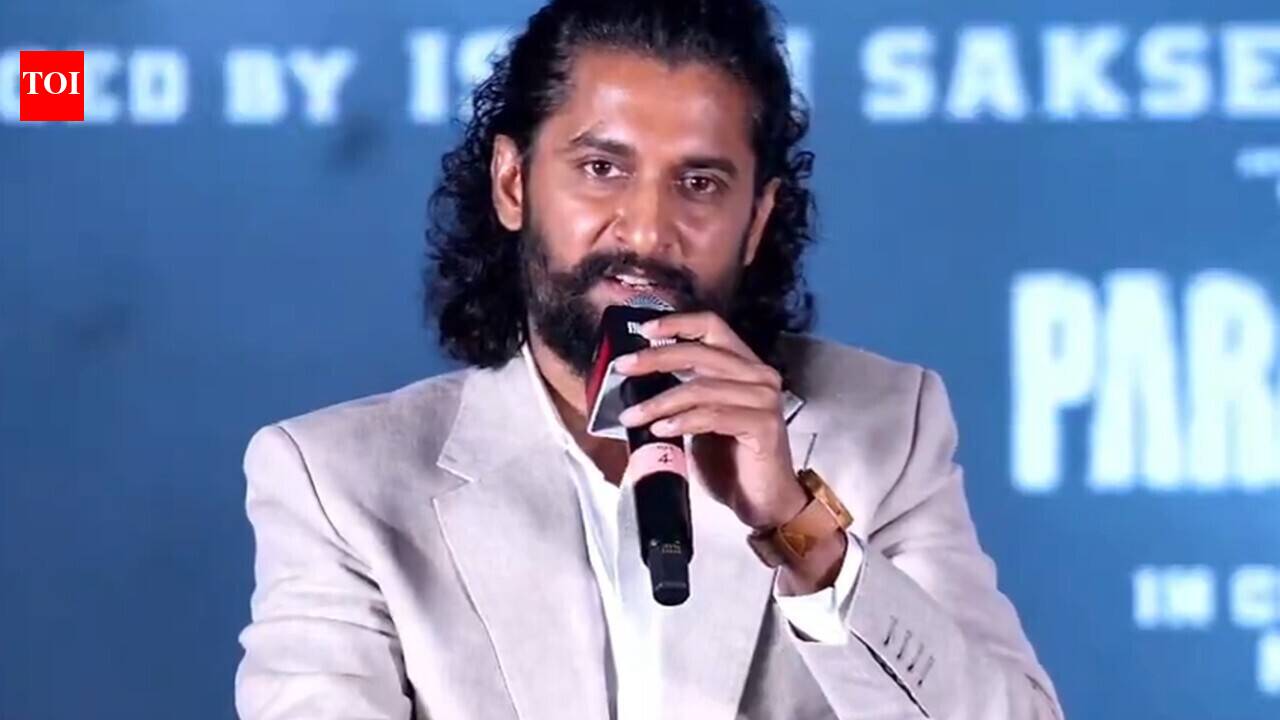
Telugu actor Nani has described his latest release, The Paradise, as the film that has generated the most conversation of any Telugu release this year, reacting to the intense audience response the Srikanth Odela directorial has drawn since it arrived in theatres. The actor, who plays the lead role in the film, made the remark while addressing the buzz surrounding the movie and the polarising reactions it has provoked among viewers and within the industry. The Paradise marks the second collaboration between Nani and Odela, following their earlier film Dasara, and has been positioned as one of the most ambitious projects of the actor's career. The film's release has turned into a major talking point across Telugu cinema circles, with discussions spanning its distinct visual world, its treatment of violence and its overall narrative approach.
The Paradise arrives at a time when Nani is widely regarded as one of the most bankable and versatile stars in Telugu cinema, having built a reputation for alternating between commercial entertainers and experimental projects. His association with Odela, who made a strong impression with his debut Dasara, raised expectations considerably before the film's release. The actor and director had publicly spoken about the scale and ambition of the project during its promotional phase, with the makers emphasising that it would offer audiences something far removed from conventional fare. That promise of an unusual cinematic experience appears to have translated into an exceptionally vocal response once the film reached theatres.
Audiences have been divided over the film's tone and storytelling, with some praising its boldness and its willingness to depart from familiar templates, while others have found its intensity and unconventional structure challenging. The phrase "most noise" used by Nani reflects the sheer volume of debate the film has triggered, spanning social media discussions, industry chatter and word, of, mouth commentary. The film has been noted particularly for the world it constructs and the visceral quality of its sequences, elements that have kept it in public conversation well after its opening. Trade observers have pointed to the film's strong opening momentum as evidence of the curiosity it generated, even as opinions on its content remain sharply split.
The lead actor's own acknowledgment of the film's polarising reception is significant in an industry where stars often avoid commenting directly on mixed feedback. By framing the widespread discussion as a positive indicator, Nani has signalled that he views the debate itself as proof that the film has connected with audiences in a way that quieter releases do not. Such reactions from a top star can shape how a film is perceived in the days following its release, often encouraging viewers who are undecided to form their own opinions. Industry watchers have suggested that the discourse around The Paradise may influence how other filmmakers approach similarly unconventional material in the future.
The Paradise fits into a broader pattern in Indian cinema where star, driven films are increasingly experimenting with darker, more stylised narratives that depart from traditional commercial formulas. Telugu cinema in particular has seen a wave of films attempting to blend mass appeal with gritty, world, building storytelling, and Nani's film sits squarely within that trend. The reception of such projects often becomes a barometer for how much risk audiences are willing to embrace from established stars. If The Paradise sustains its momentum despite divided opinions, it could encourage more actors and directors to pursue similarly ambitious ideas.
The Nani, Odela partnership invites comparison with other actor, director collaborations in Telugu cinema that have pushed boundaries, including their own earlier work together on Dasara. Dasara, too, was noted for its raw setting and intense tone, and it helped establish Odela as a filmmaker with a distinctive voice. With The Paradise, the duo has attempted to scale up that vision further, and the resulting conversation echoes how past unconventional films have divided audiences before gradually finding their footing. Telugu cinema has a history of films that were initially met with mixed reactions but later came to be reassessed more favourably by viewers.
With The Paradise now in theatres, attention will turn to how the film performs over the coming days and whether the intense word, of, mouth helps or hinders its box office trajectory. Nani, meanwhile, has a slate of upcoming projects that will keep him in the spotlight, and his willingness to embrace risky material is likely to remain a defining feature of his choices. For Odela, the response to this film will shape the kind of projects he is offered and the creative freedom he commands going forward. Whatever the final verdict, The Paradise has already achieved something notable by becoming the most discussed Telugu film of the year so far.