'No hard feelings': US downplays India's warning over Russia Sanctions Act
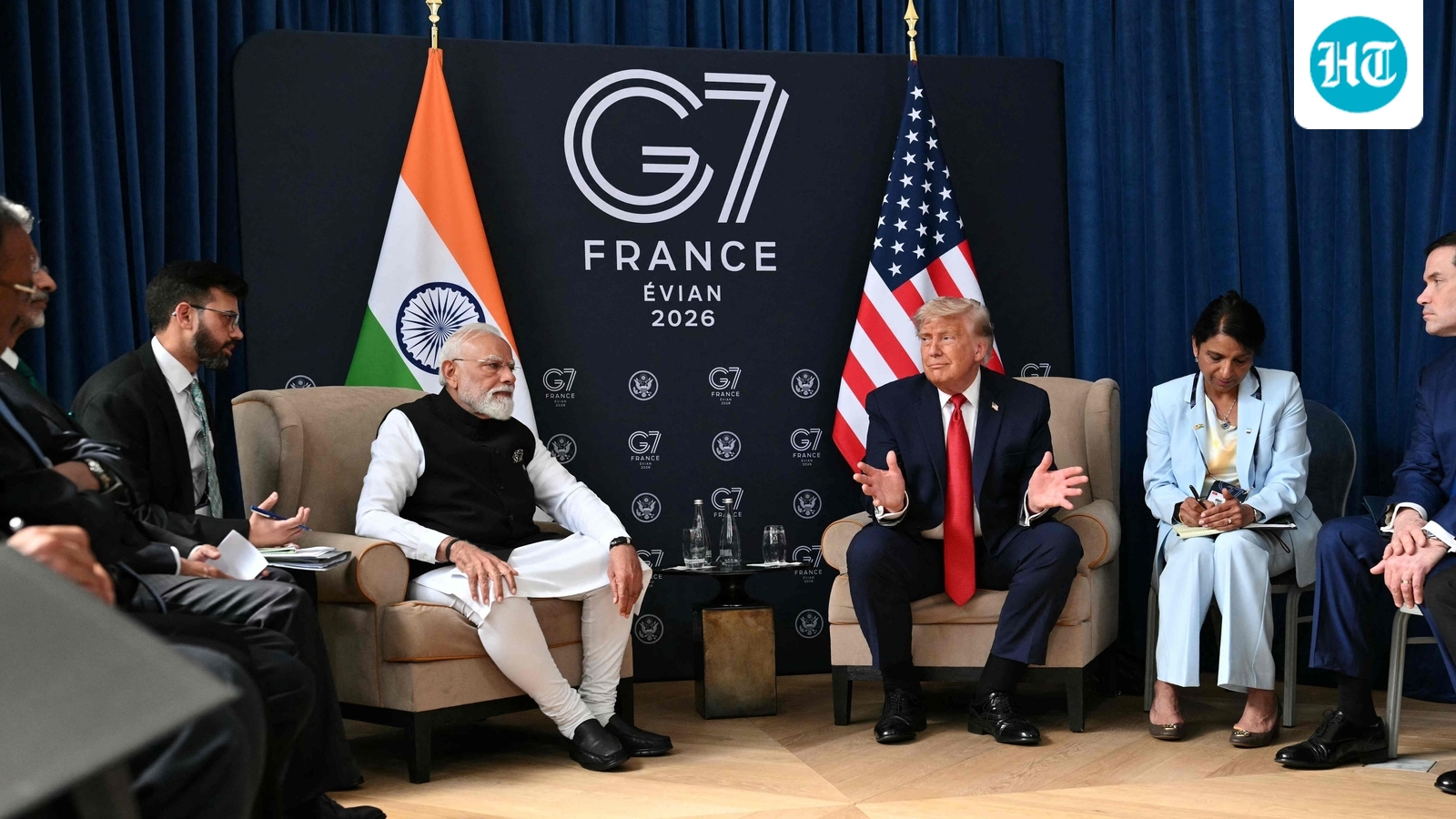
The United States has moved to downplay tensions with India after New Delhi publicly cautioned that proposed American legislation targeting purchasers of Russian energy could have adverse consequences for bilateral ties. The Russia Sanctions Act, currently under consideration in the US Congress, threatens tariffs of up to 100 percent on the top five buyers of Russian oil, gas and other energy exports, a list that is widely understood to include India. Washington's calibrated response signals a desire to prevent the dispute from escalating into a broader rupture with a key strategic partner. Indian officials have conveyed their concerns through diplomatic channels, emphasising that energy purchases are driven by market economics and national interest.
The legislation reflects longstanding American efforts to tighten the financial squeeze on Moscow over its war in Ukraine, now in its fourth year. Western nations have progressively expanded sanctions targeting Russian energy revenues, which remain a critical source of funding for the Kremlin's military machine. India, which has dramatically increased its intake of discounted Russian crude since the conflict began, finds itself squarely in the crosshairs of these measures. New Delhi has consistently defended its purchases as legitimate and necessary to secure affordable energy for its vast population. The proposed tariffs would represent one of the most aggressive extraterritorial applications of US sanctions policy in recent years.
While the precise mechanics of the bill remain subject to legislative negotiation, its core premise is well established: countries that continue buying substantial volumes of Russian energy could face punitive tariffs on their exports to the United States. The measure has drawn attention because it would affect major economies, including India and China, rather than merely targeting Russian entities directly. Indian officials have reportedly warned that such measures could undermine the trust built over years of growing US, India partnership. US officials, in turn, have struck a conciliatory tone, suggesting the legislation is aimed at Moscow rather than at India specifically. The divergence nonetheless exposes the difficulty of aligning economic interests with geopolitical strategy.
Reactions within India have been measured but firm, with the government reiterating that its energy policy prioritises affordability and energy security for its citizens. Analysts in New Delhi have noted that any punitive action against Indian exports could harm sectors ranging from pharmaceuticals to information technology, which have deep ties to the American market. In Washington, policymakers face a delicate balancing act, seeking to punish Russia while avoiding alienating a partner central to the Indo, Pacific strategy. Industry groups on both sides have urged caution, warning that tariffs could disrupt supply chains and raise costs for American consumers. The episode has become a test case for how far the United States is willing to push allies and partners on sanctions compliance.
The standoff fits into a wider pattern of friction between Western sanctions regimes and the energy needs of developing economies. Since 2022, India has emerged as one of the largest buyers of seaborne Russian crude, arguing that Western price caps and sanctions should not dictate the choices of sovereign nations. This position has placed New Delhi alongside other countries, including China and Turkey, that have similarly expanded their Russian energy imports. The debate raises fundamental questions about the reach of US law and the limits of unilateral economic coercion in a multipolar world. It also underscores the deepening interdependence between India and the United States, which complicates any confrontational approach.
History offers instructive parallels, notably the American sanctions pressure on India following its 1998 nuclear tests, when Washington imposed penalties that were later eased as ties warmed. Similar dynamics played out with the Countering America's Adversaries Through Sanctions Act, which threatened sanctions over India's purchases of Russian military hardware, including the S, 400 air defence system. In that case, successive US administrations chose to grant waivers rather than penalise India, recognising the strategic value of the relationship. Those precedents suggest that lawmakers and officials often build flexibility into sanctions legislation to accommodate partners. The current debate over the Russia Sanctions Act echoes that earlier tension between principle and pragmatism.
The path forward will depend on how the bill evolves in Congress and whether exemptions or waivers are incorporated for strategic partners like India. Diplomatic consultations between the two capitals are expected to continue, with both sides expressing confidence that differences can be managed without lasting damage. India is likely to maintain its energy purchasing patterns unless the costs become prohibitive, while the United States may seek assurances that Russian oil revenues are being curtailed over time. Much will depend on broader developments in the Ukraine conflict and the global energy market. For now, both governments appear intent on containing the dispute, preserving a partnership both consider vital to their long, term interests.