
Marking 'VIPs' routine, was part of SSR even before SIR: Officials
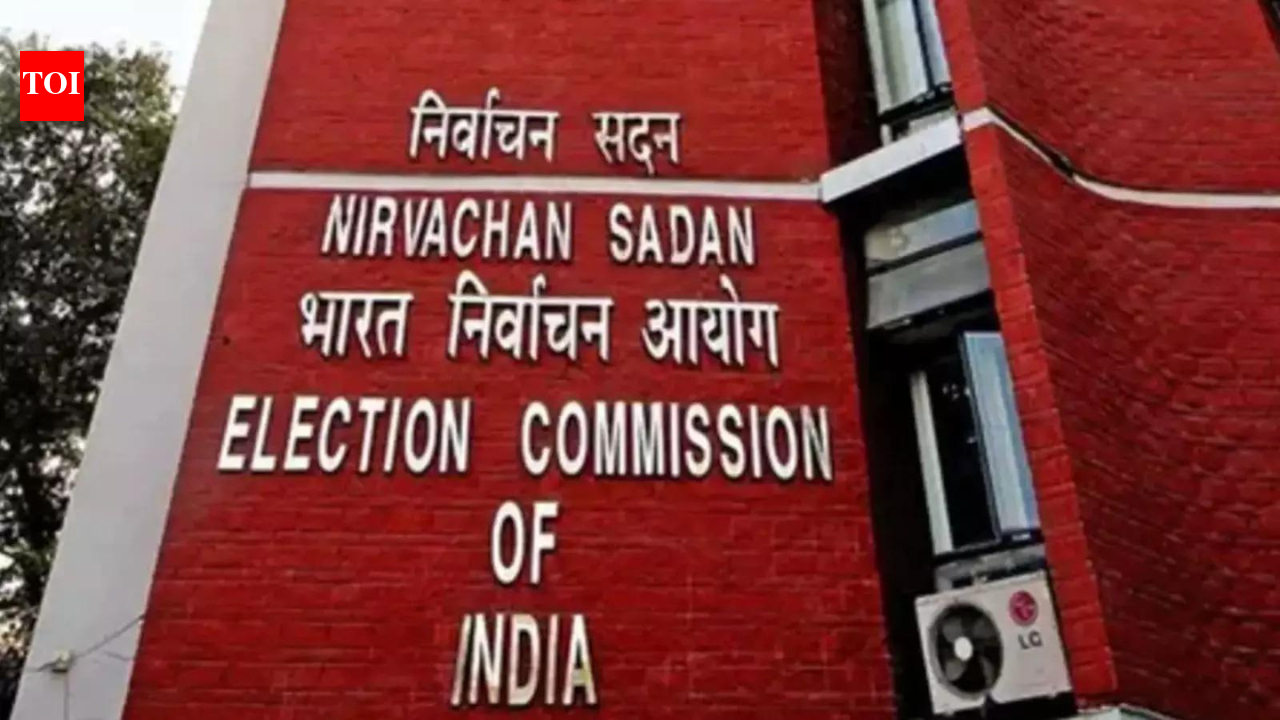
The Election Commission of India has pushed back against a fresh wave of criticism over its poll management software, clarifying that the practice of marking certain electors as prominent or sensitive individuals has been a routine feature of its existing systems and predates the current electoral roll revision exercise. Officials familiar with the matter said the provision existed in the earlier Electoral Roll Management System and was not introduced as part of the ongoing Special Intensive Revision, contradicting claims that the software update was a new and opaque addition. The clarification comes amid allegations from opposition parties that the poll body's updated application could be used to categorise or flag voters in ways that lack transparency. The Commission has maintained that the mechanism is administrative in nature and designed to facilitate logistical and security arrangements during elections rather than to influence voter eligibility.
The controversy has unfolded against the backdrop of an already charged debate over the accuracy and integrity of the electoral roll revision, with opposition leaders repeatedly raising concerns about deletions, additions and the overall fairness of the process. The Election Commission, for its part, has been facing internal scrutiny as well, with allegations of differences among its members surfacing in public discourse and adding to the perception of an institution under pressure. The latest questions over the software update have therefore landed in an environment where trust between the poll body and several political stakeholders is already strained. Officials have sought to frame the issue as a misunderstanding of technical and procedural matters that have long been part of election management.
According to the Commission's account, the marking of certain electors for special attention is a longstanding operational practice tied to the smooth conduct of polls, including arrangements for security, logistics and facilitation at polling stations. Officials said such categorisation has historically applied to individuals such as constitutional office holders, senior public servants and others whose positions may require specific administrative handling on polling day. They emphasised that these markers are internal and procedural, and do not amount to a determination of a voter's rights or eligibility. The Commission has also indicated that the underlying software has evolved over successive election cycles, with updates aimed at improving accuracy and efficiency rather than altering substantive electoral rules.
Opposition parties, however, have not been persuaded by these explanations and have demanded greater disclosure about how such categorisation works, who is responsible for it and what safeguards exist against misuse. Several leaders have argued that any system that singles out voters, however routine in intent, must be subject to public scrutiny and independent oversight, especially when the electoral roll itself is under revision. Civil society groups and technology analysts have similarly called for clarity on data handling and access controls within the poll management applications. The Commission has defended its processes, insisting that established protocols govern the use of its systems and that allegations of impropriety are unfounded.
The episode fits into a broader pattern of intensifying scrutiny of India's electoral machinery, where technological upgrades, roll revisions and internal governance have all become subjects of political contention. In recent years, debates over voter list accuracy, the transparency of deletions and the use of digital tools have repeatedly drawn the Commission into confrontation with political parties and activists. The poll body's credibility is widely seen as central to the legitimacy of the electoral process, which makes even technical or administrative decisions susceptible to political interpretation. The current controversy also intersects with wider concerns about data privacy and the accountability of institutions that handle sensitive voter information.
Historically, the Election Commission has faced similar challenges over its electoral roll operations, with past revisions and software transitions drawing allegations of exclusion or manipulation from various quarters. In earlier cycles, disputes over voter list errors and deletions prompted court interventions and demands for stronger procedural safeguards. The Commission has often responded by reiterating the robustness of its verification mechanisms and the role of designated officers in the process. Comparisons with those episodes suggest that concerns about transparency tend to recur whenever the poll body undertakes large, scale roll management or adopts new technology, regardless of the stated administrative rationale.
Looking ahead, the Commission is expected to continue issuing clarifications and may face further demands for detailed technical explanations from political parties and civil society. Legal challenges or formal representations to the poll body cannot be ruled out, and opposition parties are likely to keep the issue alive in public debate and in Parliament. The manner in which the Commission addresses these concerns, including any steps to enhance transparency around its software and categorisation practices, could shape perceptions of its neutrality in the run, up to future elections. Much will depend on whether the poll body is able to demonstrate that its systems are secure, well, documented and resistant to misuse, thereby restoring confidence among stakeholders who remain sceptical.