‘Choice now rests with US’: Iran offers America 7, day plan to reopen Strait of Hormuz
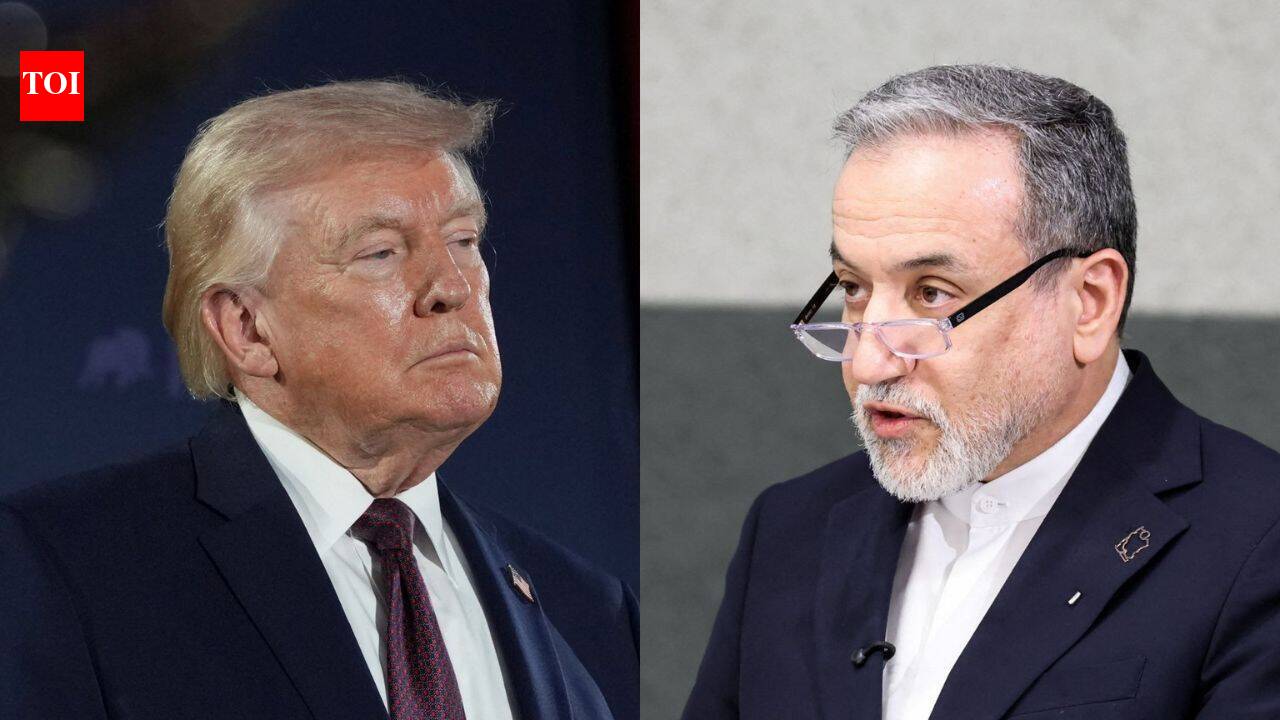
Iran has presented the United States with a seven, day proposal aimed at reopening the Strait of Hormuz and reviving stalled negotiations over its nuclear programme, according to officials familiar with the diplomatic exchange. The offer, conveyed through intermediary channels, represents one of the most concrete attempts in recent months to de, escalate tensions that have disrupted global energy shipments through the vital waterway. Iranian authorities have indicated that the choice of whether to proceed now rests with Washington, framing the proposal as a time, bound window for diplomacy. The Strait of Hormuz, through which a substantial share of the world's seaborne oil passes, has been at the centre of escalating friction between Tehran and Western capitals. The plan reportedly links the reopening of the strait to the resumption of broader talks on Iran's nuclear activities, which have been frozen amid mutual recriminations.
The standoff over the Strait of Hormuz is rooted in years of mounting hostility between Iran and the United States, compounded by the collapse of the 2015 nuclear accord and the subsequent reimposition of sweeping sanctions. Shipping through the narrow chokepoint has been repeatedly disrupted, with vessels seized or attacked in incidents that both sides have blamed on each other. The United States has maintained a significant naval presence in the region, while Iran has periodically signalled its ability to constrict traffic through the strait as a point of leverage. Regional powers and global oil importers have watched the situation with growing alarm, given the strait's role as a conduit for a large fraction of worldwide petroleum exports. The seven, day framework appears designed to test whether both sides can move from confrontation toward a negotiated arrangement.
Details of the proposal remain limited, but it is understood to involve a phased sequence in which Iran would take steps to restore normal navigation through the strait in exchange for unspecified concessions from the American side. Iranian officials have publicly described the offer as a good, faith gesture while cautioning that it will not remain on the table indefinitely. Reports suggest the plan also envisions the two sides returning to discussions about Iran's nuclear programme, which has advanced considerably since the breakdown of earlier agreements. The proposal does not appear to address the full range of disputes between the two countries, including sanctions relief and regional security issues. Analysts note that the compressed timeline is intended to create momentum and prevent the initiative from being quietly shelved.
Reactions to the Iranian offer have been cautious, with American officials neither confirming nor dismissing the specifics of the plan. Regional governments that depend on the free flow of energy through the strait have welcomed any sign of de, escalation, though many remain sceptical about whether a seven, day window is realistic for such a complex set of issues. Oil markets, which have been sensitive to every development in the region, have shown only measured movement, reflecting uncertainty about whether the proposal will materialise into action. Some observers argue that the offer places diplomatic pressure on Washington by casting Iran as the party willing to negotiate. Others warn that the plan could serve Tehran's interest in buying time while its nuclear programme continues to advance.
The initiative fits into a broader pattern of intermittent engagement and confrontation that has characterised Iran's relations with the West for years. Multiple rounds of talks have previously raised hopes of a breakthrough, only to falter over sequencing, sanctions, and verification disputes. The Strait of Hormuz has long functioned as both a strategic asset and a potential flashpoint for Iran, which has repeatedly threatened to close it when under pressure. Global energy markets and shipping insurers price in a persistent risk premium tied to the waterway, meaning even the prospect of reopening affects commercial calculations. Any success in reopening the strait could lower tensions across the wider Gulf region, but any failure risks reinforcing the cycle of retaliation and mistrust.
Historically, the Strait of Hormuz has been the focus of major international crises, including the tanker wars of the 1980s, when attacks on shipping prompted foreign navies to escort commercial vessels. More recently, the unilateral American withdrawal from the nuclear deal and the ensuing "maximum pressure" campaign pushed Iran to accelerate its nuclear enrichment and to demonstrate its capacity to disrupt maritime traffic. Attempts at diplomacy since then have often collapsed because each side demanded that the other move first. The current seven, day proposal echoes past confidence, building measures that were floated but never fully implemented. Whether it fares differently will depend largely on the willingness of both capitals to accept incremental steps rather than a comprehensive settlement.
What happens next will hinge on Washington's response, which Iranian officials say they are awaiting before deciding whether to proceed or to let the initiative lapse. If the United States engages, technical teams from both sides could begin working out the mechanics of restoring navigation and scheduling nuclear discussions, a process that would likely extend well beyond the seven, day window. If Washington declines or delays, Tehran may revert to its previous posture, potentially escalating activity in the strait to strengthen its bargaining position. Diplomats and regional mediators are expected to press both sides to keep channels open, wary of the consequences of another breakdown. The coming days are therefore likely to determine whether this latest opening becomes a genuine path toward de, escalation or simply another missed opportunity in a long and fraught relationship.