
The Hormuz Crisis Has Forever Changed the Economics of Energy Security
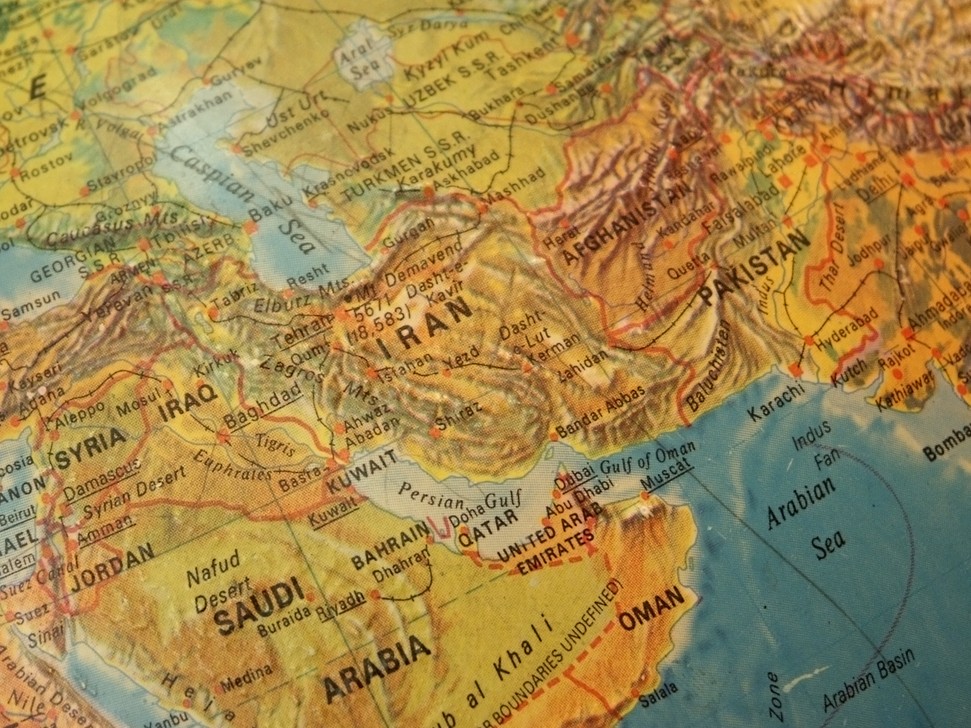
The recent escalation in the Strait of Hormuz has fundamentally recalibrated the global energy market, exposing the fragility of a system long predicated on the assumption of uninterrupted maritime flow. The disruption, triggered by heightened military tensions and targeted strikes on commercial shipping, has forced a rapid and painful reassessment of risk for every nation and corporation dependent on Gulf crude. This is not merely a temporary spike in oil prices; it is a structural shift in how energy security is defined, moving away from just, in, time logistics toward a more expensive, resilient, and fragmented global supply chain. The immediate crisis has underscored that the world’s most critical energy chokepoint, through which a significant portion of global oil and LNG transits daily, is no longer a guarantee of safe passage but a primary vector for geopolitical volatility.
The strategic vulnerability of the Strait has been a known factor in energy planning for decades, yet the operational response to this threat was largely theoretical until now. Routine cost, benefit analyses placed a premium on the efficiency of tanker traffic over the expense of maintaining alternative routes and reserve capacities. The current crisis has forced these hidden assumptions into the open, revealing that the "Hormuz premium" in oil prices was severely underpriced. Major importing nations, particularly in Asia, have found themselves scrambling for immediate supply alternatives, a scramble that has highlighted a stark lack of excess capacity in the global tanker fleet and the logistical bottlenecks of overland pipelines. The market’s reaction has been swift, with futures curves steepening in a way that suggests traders are paying for delivery security now, rather than just the commodity itself.
At the heart of this transformation is the behavior of the key global players, whose reactions have been characterized by a mix of deterrence and diplomacy, with market signals lagging behind the political rhetoric. Industry consensus, based on shipping data and logistics reports, indicates a direct correlation between the security incidents and a surge in war, risk insurance premiums for vessels transiting the region. This has made the passage through the Strait prohibitively expensive for all but the most essential cargoes, forcing many operators to reroute shipments around the Cape of Good Hope, a detour that adds significant time and fuel costs. Furthermore, the crisis has accelerated a shift toward long, term, fixed, price supply contracts, as both buyers and sellers seek to insulate themselves from the extreme daily price volatility that has returned to the market. The idea of holding larger strategic petroleum reserves has moved from a political talking point to an operational necessity, with government and industry officials exploring new incentives for private storage.
The broader implications of this event extend far beyond the physical flow of oil, touching upon the very architecture of global finance and trade. The crisis has triggered a new wave of currency volatility, particularly affecting the currencies of net oil importers in emerging markets, who are facing ballooning import bills. Simultaneously, it has accelerated the diversification of supplier portfolios, with renewed interest in Atlantic Basin resources, from the Americas to West Africa, which are now valued for their geopolitical safety as much as their price. This is a major boon for producers not reliant on the Gulf, but it creates a new two, tiered global economy for energy, where a "security discount" is applied to certain barrels. This bifurcation is reshaping the map of energy infrastructure investment, prioritising terminals, pipelines, and storage capabilities that bypass or mitigate the risk of the Hormuz chokepoint.
This episode marks a definitive end to the post, Cold War era of energy globalisation, which was defined by open seas and minimal barriers to trade. The assumption that tankers would move freely and reliably has been replaced by a paradigm of perpetual contingency planning, where supply chains are built for disruption resilience rather than just cost optimisation. The logic of comparative advantage, which guided energy trade for a generation, is now competing with the logic of national security, leading to a more protectionist stance on energy resources. Governments are now actively intervening in markets not just to influence prices, but to secure strategic supply lines, validate tanker ownership in friendly flags, and conduct naval escorts for commercial traffic. The system is transitioning from a highly efficient, interlinked web to a more redundant, regionalised network, where the cost of security is baked into the final price of fuel.
Comparisons to historical shocks, most notably the 1973 oil embargo and the 1979 Iranian revolution, are instructive but only to a point, as the current crisis is intruding on a more complex and tightly integrated market. Unlike the past, where the disruption was driven by sovereign embargoes, today’s threat comes from non, state actors and asymmetric warfare using modern missile and drone technology, making the risk continuous rather than discrete. The previous crises created lasting institutions like the International Energy Agency and strategic reserves, but the current one is forcing a deeper, more technical look at the maritime insurance market and the vulnerabilities of undersea cables and shore, side facilities. However, just as the oil shocks of the 1970s ultimately spurred a wave of efficiency and alternative energy investment, this crisis is likely to have a similar long, term effect, though the timeline may be compressed. The crucial difference is that while the past was about managing a scarcity of supply, the present is about managing a scarcity of secure transport.
Looking ahead, the immediate outcomes will likely involve a period of heightened diplomatic engagement to cool down the military posture in the region, but the structural changes will be permanent and global. We can expect a sustained increase in capital expenditure on strategic storage, with the OECD countries re, examining their drawdown policies and non, OECD nations investing heavily in domestic reserves for the first time. The pricing of crude will increasingly be determined by a "risk, adjusted" benchmark, perhaps leading to a more formalised price differential between secure and insecure supply regions, altering the influence of major exchanges. The next phase will see a push for the development of new pipeline infrastructure, such as the UAE’s East, to, West Fujairah line, which currently offers a limited but critical bypass of the Strait, and a rethinking of LNG shipping routes. Ultimately, the Hormuz crisis has served as the catalyst, proving that the economics of energy are inseparable from the politics of geography, and the global response will be measured by the resilience built in the decades to come.