'30 years back, I watched Satya... today, I saw DC': Ranjith Sankar compares Lokesh Kanagaraj's film with Ram Gopal Varma's 'Satya'
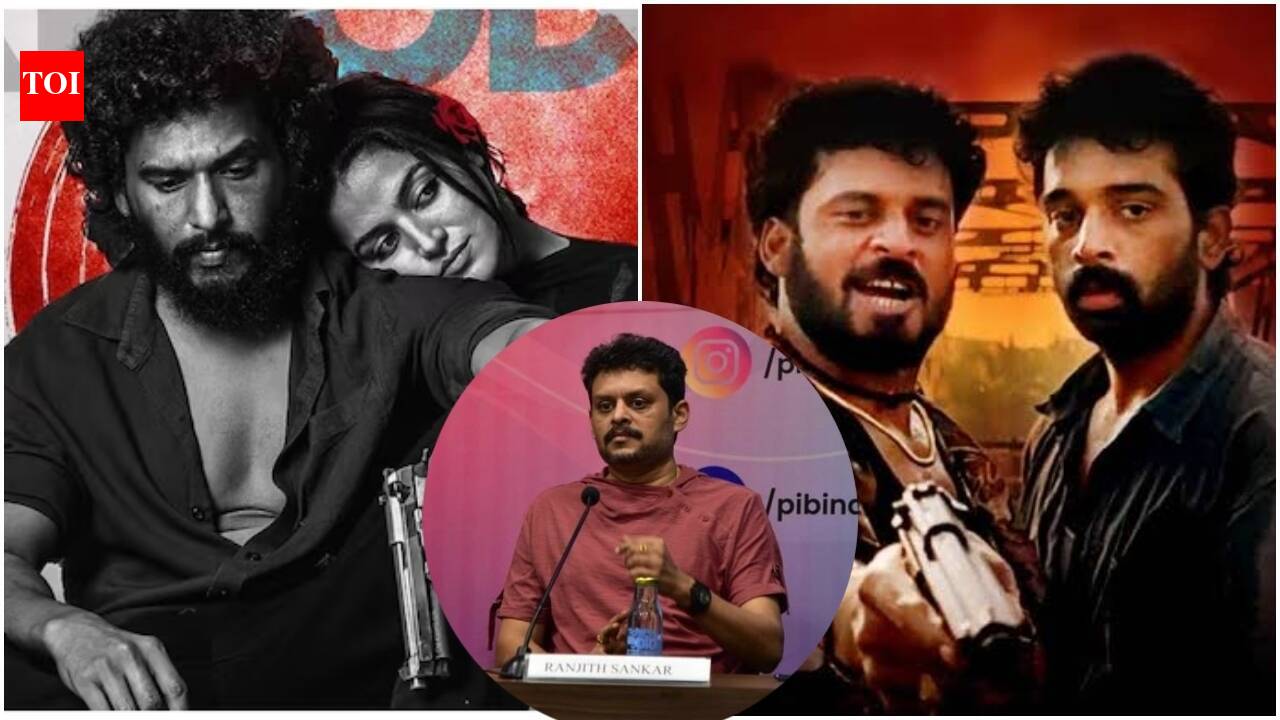
Malayalam filmmaker Ranjith Sankar, known for directing critically acclaimed movies like Passenger and Joseph, has sparked a fresh debate among cinephiles by publicly drawing a parallel between the new Tamil thriller DC, directed by Arun Matheswaran, and Ram Gopal Varma’s cult classic Satya. In a social media post that has since gone viral, Sankar remarked that watching DC took him back three decades to the first time he experienced the raw, unfiltered energy of Satya, a film that redefined the Indian gangster genre. The filmmaker’s comparison is significant because it places Arun Matheswaran’s ambitious project, which stars Karthi in the lead, on a pedestal usually reserved for the most iconic works of Indian cinema. The comment has quickly become a talking point among industry insiders, with many interpreting it as a seal of approval for the new, age filmmaker’s bold narrative style.
The context of this comparison lies in the distinct filmmaking philosophies of both directors, separated by a chasm of thirty years yet united by a shared commitment to gritty realism. Satya, released in 1998, was a watershed moment in Hindi cinema, introducing a documentary, style rawness that was previously unseen on Indian screens, charting the rise and fall of a Mumbai underworld figure with unflinching honesty. Arun Matheswaran, on the other hand, has carved a niche for himself in Tamil cinema with violent, stylized, and deeply emotional narratives such as Rocky and Saani Kaayidham, often exploring themes of vengeance and systemic rage. According to Sankar’s observation, DC reportedly captures the same visceral, lived, in quality that made Satya a benchmark, suggesting that Matheswaran has succeeded in translating that specific brand of urban angst to a contemporary Tamil audience. The director’s comment, therefore, is not just a simple compliment but a profound acknowledgment of a stylistic lineage that connects two seemingly disparate film industries.
While Sankar’s post did not delve into specific plot details, he emphasized the impact of the viewing experience, stating that the film’s atmosphere and character depth resonated with the same intensity he felt three decades ago. He reportedly praised the film’s ability to maintain a consistent, gritty tone without compromising on emotional stakes, a challenge that many filmmakers face when attempting large, scale action dramas. The comparison to Satya implies that DC is not merely a commercial entertainer but a character, driven study of survival within a hostile environment, a hallmark of Varma’s masterpiece. The post has led to a flurry of responses, with fans of both actors and directors debating the merits of the comparison, while some viewers who have already watched the film have echoed Sankar’s sentiments. However, others have cautioned against hyperbolic comparisons, arguing that while DC is a strong film, its narrative scope might differ significantly from the sprawling underworld epic that Satya was.
The reaction from the Tamil film fraternity has been one of quiet pride, as this external validation from a respected Malayalam filmmaker strengthens the perception of Tamil cinema’s current golden era of storytelling. This is not the first time that a contemporary film has been compared to Satya, which has become a shorthand for authentic crime cinema, but it holds extra weight because it comes from a working director who understands the craft. The comparison also brings attention to the rising trend of pan, Indian storytelling, where regional filmmakers are increasingly drawing inspiration from each other’s work while maintaining their unique cultural fingerprints. Sankar’s remarks have inadvertently positioned DC as a must, watch for serious cinephiles, potentially boosting its theatrical run and streaming prospects. It has also reignited interest in Ram Gopal Varma’s filmography, reminding younger audiences of the monumental shift he brought to the industry with films like Company and Sarkar.
This discussion fits into a larger trend where contemporary filmmakers in the south, such as Lokesh Kanagaraj and Ranjith, are frequently cited as the torchbearers of a neo, noir aesthetic that was pioneered in Bollywood by Varma in the late 90s. The current wave of violent, hyper, stylized action thrillers in Tamil and Telugu cinema often borrow heavily from the grounded, anti, hero tropes that Satya established, adapting them to local sensibilities. Directors like Arun Matheswaran are now pushing these boundaries further by infusing their work with experimental sound design and non, linear storytelling techniques. The cross, industry recognition from Ranjith Sankar highlights the collapse of traditional industry silos, where filmmakers now openly celebrate and critique each other’s work on social media platforms. This convergence is creating a richer, more collaborative environment for Indian cinema, where a film’s legacy is no longer confined to its linguistic region.
Historically, Satya’s impact was so profound that it launched the careers of actors like Manoj Bajpayee and Urmila Matondkar into a new stratosphere, and its screenplay by Anurag Kashyap became a template for aspiring writers. The film’s legacy has been maintained through decades of retrospectives and academic studies, making it a constant reference point for any film that attempts to portray the underbelly of society. Comparatively, DC is being positioned as a modern heir to this legacy, though it remains to be seen whether it will have the same long, term cultural impact that Satya has had over the past thirty years. The comparison also serves as a reminder of how the presentation of violence has evolved, with modern films often being more graphic and psychologically complex than their predecessors. While Sankar’s nostalgic reference points to a romanticized past, it also validates the artistic ambition of the new generation to move beyond formulaic commercial cinema.
Looking ahead, the immediate outcome of this viral comparison will likely be an increased curiosity among pan, Indian audiences to watch DC in theatres, especially those who missed its initial release. The film’s team might leverage this endorsement in their upcoming promotional campaigns, though they would be wise to manage expectations so as not to alienate viewers expecting a replica of Satya. For Arun Matheswaran, this high, profile praise could accelerate his journey into bigger, budget productions or even pan, Indian collaborations, as producers will undoubtedly take note of this critical acclaim. The discourse also sets the stage for future debates on what constitutes a classic, and how modern films can carve out their own identity without being shackled by the shadow of legendary predecessors. Ultimately, Ranjith Sankar’s comment serves as a powerful reminder that the spirit of gritty, authentic cinema is alive and well, evolving with each generation while paying homage to its foundational roots.