Self, listing of bourses feasible, says NSE chief
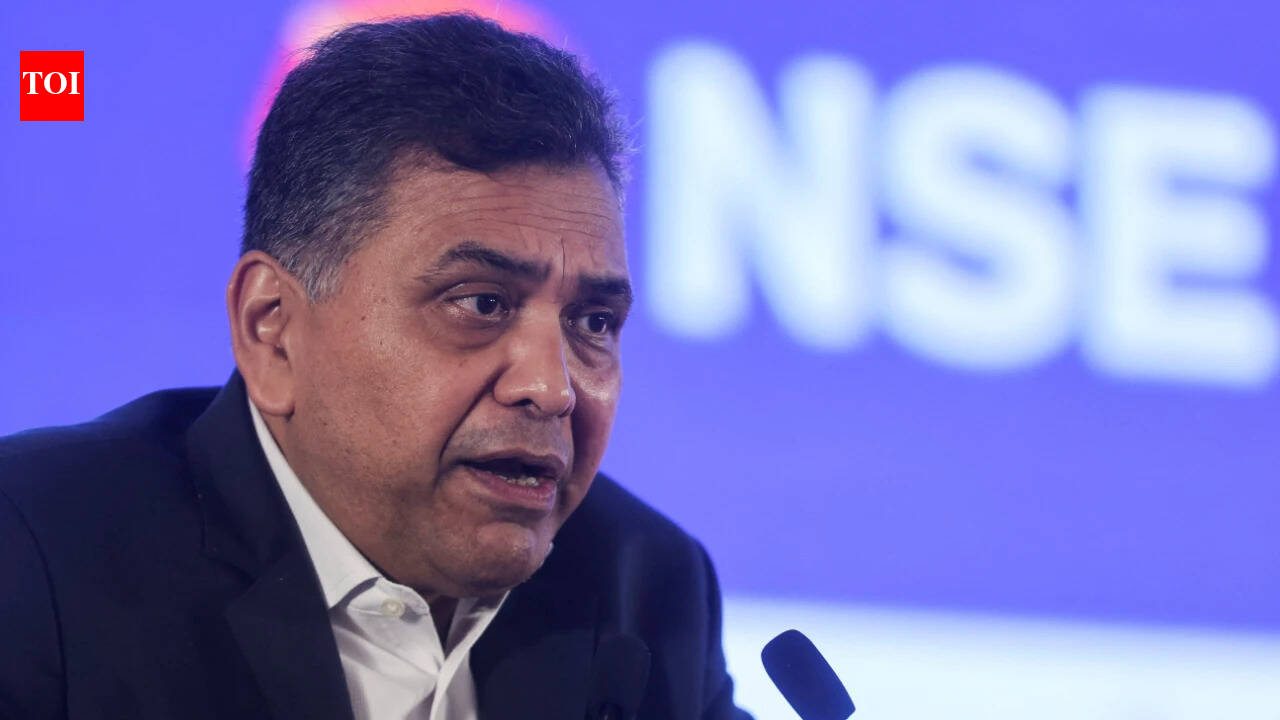
The National Stock Exchange's chairperson, Srinivas Injeti, has said that self, listing by stock exchanges is a feasible proposition in principle, though any final call rests entirely with the Securities and Exchange Board of India. Speaking in Mumbai, he indicated that the mechanics of such a framework can be worked out, but stressed that the market regulator is the appropriate authority to decide whether and when exchanges should be permitted to list their own shares. The remarks bring back into focus a long, debated question in Indian capital markets: whether bourses, which function as frontline regulators of listed companies, can themselves access the public markets without creating conflicts of interest. Self, listing would allow exchanges such as the NSE and the BSE to raise capital from the public and unlock value for their existing shareholders.
The debate over self, listing is not new. Indian exchanges have expanded rapidly over the past two decades, and their shareholder bases now include banks, insurers, foreign institutional investors and domestic financial institutions. The BSE has been listed on its own platform since 2017, following an initial public offering, which in effect made it the first Indian exchange to be publicly traded. The NSE, however, remains unlisted, despite periodic speculation about a potential offering. Sebi has in the past examined the question of exchanges listing on their own trading platforms, weighing the benefits of transparency and capital access against the regulatory complications that could arise.
At the heart of the issue is the dual role that a listed exchange would play. An exchange that is itself listed would be subject to the same disclosure, governance and compliance obligations it enforces on other companies, which could strengthen accountability. At the same time, the exchange acts as a regulator and supervisor for its listed peers, raising questions about how it would monitor competitors or entities with which it shares ownership links. Market participants have also pointed to the need for robust ring, fencing of regulatory functions from commercial interests. Any framework would likely require clear separation between the exchange's regulatory arm and its business operations.
Reactions to the NSE chief's comments have been measured, with market experts noting that self, listing could improve governance standards if accompanied by strict safeguards. Some analysts argue that a listed exchange would be more accountable to public shareholders and would face greater scrutiny of its own practices. Others caution that the experience in some global markets, where exchanges have listed and subsequently consolidated, has shown both benefits and risks. In India, brokers and investor associations have traditionally been wary of changes that could alter the power balance within market infrastructure institutions. Sebi has not indicated a timeline for taking a formal view on the matter.
The remarks come amid a broader churn in India's market infrastructure landscape. The NSE has faced governance and technology, related challenges in recent years, and Sebi has tightened norms for market infrastructure institutions, including stricter rules on ownership, board composition and the separation of roles. Globally, several major exchanges, including those in the United States and Europe, are publicly listed, and their shares trade actively. The Indian debate therefore fits into a wider trend of demutualisation, where exchanges move from member, owned entities to shareholder, owned companies. Self, listing would be the logical next step in that evolution.
Historically, India's exchanges were mutual organisations owned by their broker members, and demutualisation began only in the early 2000s under Sebi's direction. That transition allowed exchanges to separate ownership from trading rights, paving the way for corporate governance reforms and, eventually, the BSE's listing. The NSE's own shares have changed hands in private transactions, and its valuation has drawn considerable interest from investors. Past attempts to frame rules for self, listing have stalled amid concerns about conflicts, but the regulator has periodically revisited the idea as market structures mature and global practices evolve.
What happens next will depend largely on Sebi's assessment and any formal consultation it chooses to initiate. If the regulator decides to permit self, listing, exchanges would need to comply with detailed eligibility norms, disclosure requirements and conflict, of, interest safeguards, and the process would likely unfold over several years. A public offering by the NSE, if it materialises, could rank among the largest listings in Indian market history and would deepen retail participation in the exchange business itself. For now, the NSE chief's comments signal that the institution views the idea as workable, but the decision effectively sits with the regulator, and market participants will watch closely for any formal signal from Sebi.