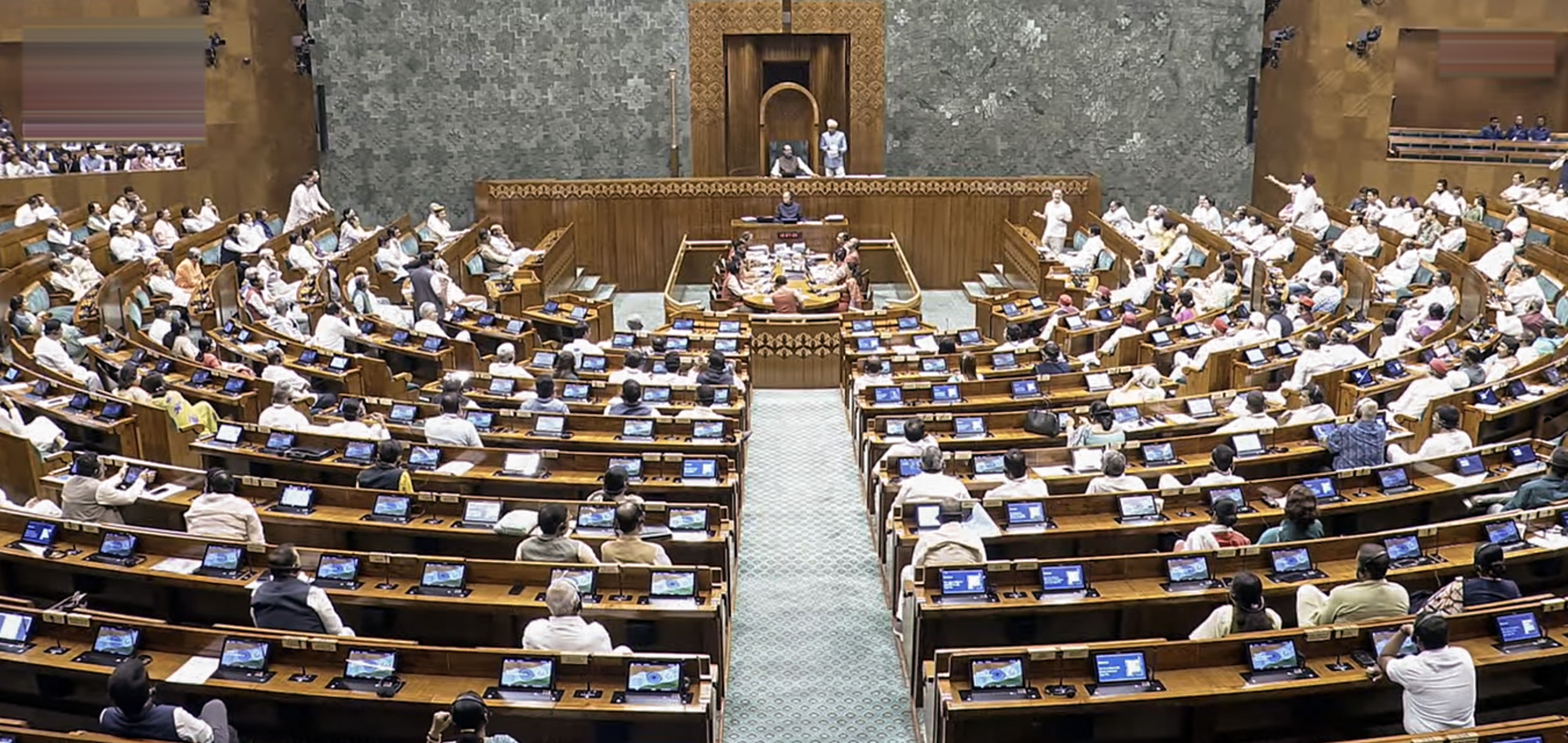

Nagaland CM urges Shah to reconsider FCRA amendments, seeks parliamentary panel review
The chief minister of Nagaland, Neiphiu Rio, has formally urged the Union Home Minister, Amit Shah, to reconsider the recent amendments to the Foreign Contribution Regulation Act (FCRA), specifically highlighting their detrimental impact on church operations and social welfare initiatives in the northeastern state. The appeal, which also calls for a comprehensive review by a parliamentary panel, underscores growing concerns in the region that the tightened regulations are inadvertently suffocating legitimate humanitarian and faith, based activities. Rio’s intervention comes amid widespread unease among civil society groups and religious bodies, who argue that the law’s new provisions unfairly target organizations that depend heavily on foreign donations for grassroots development. The request positions the northeastern state’s administration in direct dialogue with the central government over a piece of legislation that has sparked national debate regarding its implementation and unintended consequences.
The FCRA amendments, which took effect several years ago, introduced a raft of stringent measures, including the mandatory routing of foreign funds through a designated central government account and a significant reduction in the permissible administrative overhead for recipient organizations. Legal experts and activists have noted that these changes have created severe operational hurdles for non, profits across India, but the impact is acutely felt in Nagaland and other border states where local economies are smaller and external funding is a critical lifeline. For the Naga people, the church is not merely a religious institution but a central pillar of community life, orchestrating education, healthcare, and conflict resolution programs that often substitute for state presence. Consequently, the requirement for FCRA clearance for church, affiliated charities is perceived by many local leaders as an existential threat to a support system that has evolved over decades.
The core of Chief Minister Rio’s request is the specific hardship caused by the provision that mandates the opening of a separate FCRA account in a designated branch of a nationalized bank, which is often located in distant urban centers rather than in rural Naga districts. This logistical burden is compounded by the fact that many smaller churches and voluntary organizations lack the administrative capacity to comply with the rigorous quarterly reporting and audit requirements now mandated by law. By seeking a parliamentary panel review, Rio is effectively asking for a more holistic examination of the statute, rather than a simple administrative tweak, suggesting that the current framework is fundamentally misaligned with the ground realities of the Northeast. His communiqué is said to detail specific case studies of local organizations that have failed to renew their registrations, leading to the stall of ongoing community development projects. The move signals a rare, overt political challenge from a regional party within the ruling National Democratic Alliance (NDA) coalition against a central policy initiative.
Reactions to the chief minister’s appeal have been swift, with church leaders in Nagaland expressing cautious optimism that his intervention might prompt a genuine legislative review, while civil liberty advocates have questioned whether the Home Ministry will act decisively. Some political analysts interpret Rio’s action as a calculated move to reaffirm his government’s autonomy and responsiveness to local public sentiment ahead of upcoming state assembly elections, where church support is considered politically influential. Others within the coalition, however, may view the request as an unwelcome dissent against a policy that the Union government has defended as essential for ensuring transparency and preventing foreign interference in domestic affairs. The silence from the Home Ministry so far has only fueled speculation regarding the internal deliberations, though officials are reportedly examining the legal and administrative feasibility of a parliamentary committee referral. Meanwhile, social media discourse within the Northeast has been dominated by discussions on how the FCRA curbs are affecting the funding for conflict, affected communities, adding emotional weight to the ongoing political exchange.
This appeal is part of a larger pattern of resistance from the northeastern states, which have historically maintained a distinct relationship with foreign missionaries and international donor agencies due to their unique ethnic and cultural heritage. Unlike other parts of India, the region’s development model has long been intertwined with overseas Christian charities that fund everything from rural infrastructure to vocational training centers, a dependency that predates India’s independence. The central government’s push to tighten foreign funding regulations is part of a broader national trend aimed at scrutinizing NGO activities, often citing concerns about sovereignty and potential money laundering. However, in the Northeast, this policy is frequently perceived through the lens of cultural insecurity, with local populations fearing that they are being cut off from their traditional support networks. The friction illustrates a persistent governance challenge, balancing national security priorities with the developmental and cultural autonomy of India’s peripheral states.
Historically, the FCRA has been used as a tool by various central governments to regulate and, at times, curtail the activities of non, governmental organizations perceived as politically sensitive. The most recent amendments, enacted in 2020, were passed with the explicit goal of ensuring that foreign contributions are not used for activities that could be detrimental to the nation’s interest, and they included a blanket ban on the transfer of funds between registered organizations. That specific ban, which prevents a large NGO from funneling money to smaller grassroots groups, has been particularly crippling for the network, type structure common among Naga church, related charities. Previous efforts by state governments to seek exemptions or relaxations have largely yielded limited results, with the central government maintaining a strict posture on compliance. The Naga case, however, might be distinct due to the sheer scale of the church’s influence and the potential for public mobilization, a factor that has historically forced the central government to negotiate with Naga political leaders. The outcome of this specific request, therefore, may set a precedent for how other states with similar dependencies approach the central government on this issue.
In the immediate future, all eyes are on the Union Home Ministry’s response to Rio’s letter, with expectations that a formal acknowledgment or a hint of a meeting time will come within the next few weeks. If a parliamentary panel review is sanctioned, it would likely involve intense hearings where church representatives and civil society groups would get a formal platform to present their grievances, a process that could take several months to conclude. Conversely, a flat rejection would likely escalate tensions, possibly leading to more vocal street protests or coordinated resolutions from the Naga civil society organizations. The strategic impact of this issue extends beyond the FCRA itself, as it serves as a litmus test for the central government’s willingness to accommodate the unique concerns of its allied states within the NDA framework. For the ordinary citizens of Nagaland, the outcome will directly determine whether their community’s vital social programs can survive and whether they can continue to rely on their trusted institutions for support. The coming weeks, therefore, hold considerable significance not only for the legislation’s future but also for the stability of the political relationship between the central government and the northeastern region.