Maryland leaders are confident, but not certain, lake is safe after rabid beaver attacks
Maryland state officials have expressed growing confidence that the waters of Hunting Creek Lake, located within Cunningham Falls State Park, are safe for public recreation once again, though they have stopped short of issuing a definitive all, clear declaration. The reassurances come in the wake of a disturbing series of attacks by a rabid beaver that injured multiple visitors at the popular western Maryland destination, prompting an urgent public health investigation. Authorities have been working in tandem with the Maryland Department of Natural Resources and local health officials to assess the potential for viral contamination in the lake’s water column. While the capture and testing of the offending animal confirmed the rabies diagnosis, the primary concern now revolves around the possibility of the virus persisting in the aquatic environment. State leaders have emphasized that the situation is being monitored continuously, with water samples and risk assessments guiding their cautious approach to reopening.
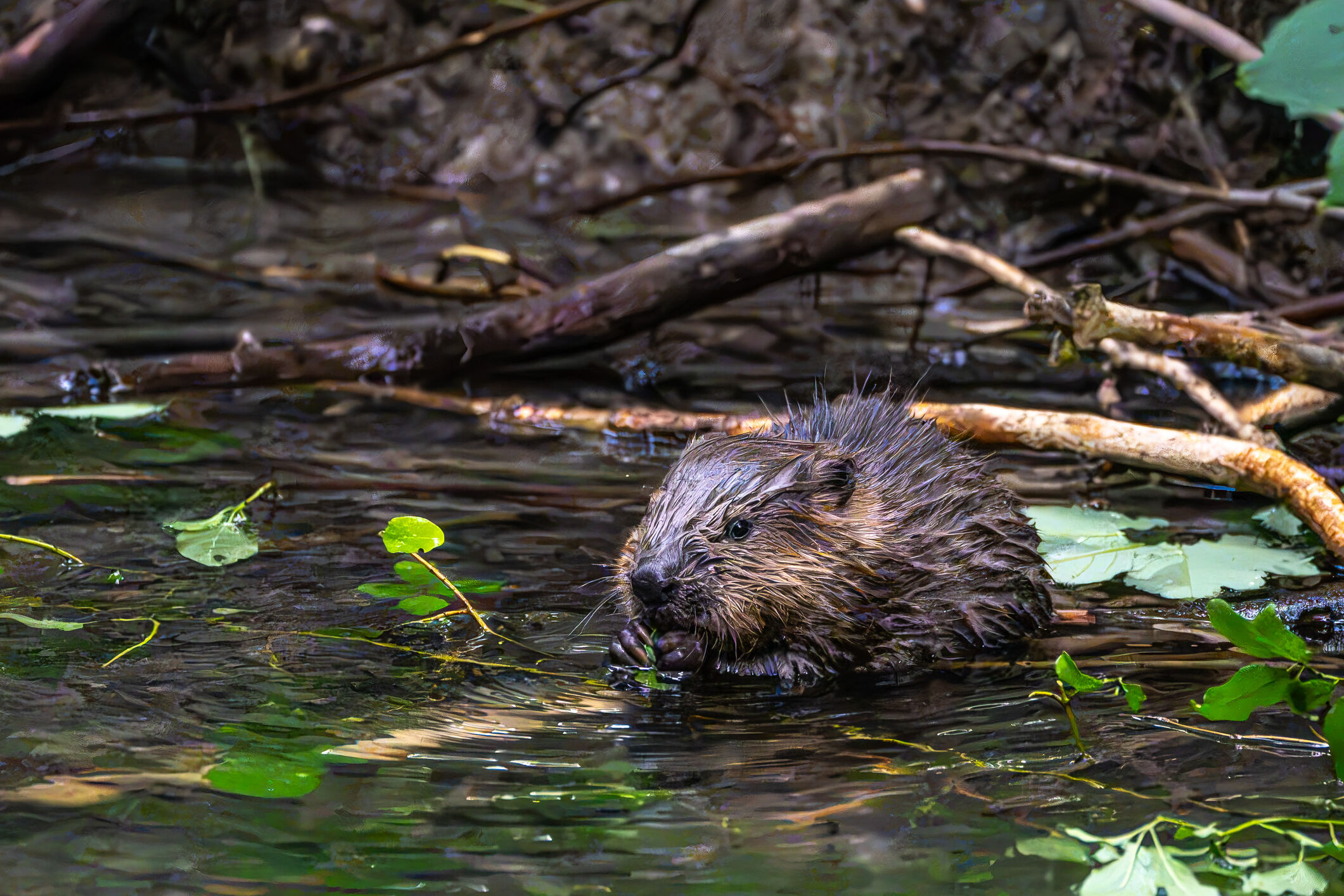
The incident unfolded over a short period late last month when several parkgoers reported being bitten or scratched by an unusually aggressive beaver near the lake’s shoreline, a behavior starkly inconsistent with the typically shy and elusive nature of the species. The animal was eventually located and euthanized by park personnel, with subsequent laboratory testing confirming it was rabid, marking the first such case involving a beaver in the state in recent memory. In the immediate aftermath, park officials closed the lake to swimming, wading, and all other water, contact activities as a precautionary measure to prevent further exposure. The victims were promptly referred to local hospitals for post, exposure prophylaxis, a series of rabies vaccinations that is highly effective if administered before symptoms appear. This swift response helped contain what could have otherwise spiraled into a larger public health emergency, but the lingering question of environmental safety has kept the lake under a cloud of uncertainty.
The precise risk posed by a rabid animal’s saliva entering a freshwater lake is a subject of intense scientific debate, and Maryland’s health experts have been careful to note that there is no documented evidence of rabies transmission through swimming in natural bodies of water. However, the sheer volume of saliva the beaver could have shed, combined with the lake’s relatively still and shallow areas, has led officials to err on the side of caution. According to statements issued by the Maryland Department of Health, the virus is notoriously fragile outside a host, degrading rapidly when exposed to sunlight, temperature fluctuations, and the natural microbial action found in open water. The department has been conducting a series of water tests focusing on viral presence and viability, though standard water quality assessments do not typically screen for rabies pathogens, complicating the verification process. Consequently, state leaders have indicated that while the epidemiological risk is considered extremely low, absolute scientific certainty is not attainable within a specific timeframe.
The reaction from the local community and frequent park visitors has been a mix of relief and lingering wariness, with many families postponing their summer trips to Cunningham Falls until a formal announcement is made. Local health officials have fielded numerous calls from concerned residents, many of whom are asking whether wading for a few minutes could pose a risk to children with open cuts or scrapes. In response to these anxieties, the state has established a public information line and has been posting daily updates on the park’s website, though they have not yet committed to a specific reopening date. Towson University epidemiologists and wildlife biologists have weighed in publicly, noting that the beaver’s behavior was highly unusual and suggesting that the animal may have been in the later neurological stages of the disease, which could have reduced its saliva output. These experts have uniformly advised that the lake’s large volume and constant water movement would likely dilute any viral particles to non, infectious levels within hours, a position that aligns with federal guidelines on rabies transmission.
This incident highlights a broader emerging trend of wildlife, related disease outbreaks at recreational sites across the United States, as development encroaches on natural habitats and climate shifts alter animal migration patterns. In recent years, parks in other states have dealt with rabid foxes, raccoons, and bats engaging in erratic behavior near popular swimming holes, forcing similar closures and extensive public information campaigns. Public health agencies are increasingly recognizing that the interface between human recreation and wild animal populations requires proactive surveillance, particularly in high, traffic state parks. The Maryland case has also sparked a renewed conversation about the importance of rabies vaccinations for both wild animal control personnel and outdoor enthusiasts who frequent backcountry areas. The state’s response has been framed as a model for balancing public safety with the scientific realities of disease transmission, though critics argue that the prolonged closure may be overly conservative.
Looking back at similar historical incidents provides useful context for evaluating the current situation, as rabies outbreaks in wildlife have been documented in North America for centuries but rarely involve aquatic environments. One of the most comparable events occurred in the 1990s when a rabid raccoon contaminated a small pond in a Virginia state park, leading to a two, week closure before officials declared the water safe based on viral degradation studies. In that prior case, no secondary infections were reported, and the reopening was met with widespread acceptance from the public, even though identical testing limitations existed at the time. More broadly, rabies cases in beavers are exceptionally rare, constituting less than one percent of all animal rabies reports in the United States, which makes this Maryland incident a notable outlier in epidemiological records. The Centers for Disease Control and Prevention maintains that no human rabies case has ever been linked to waterborne exposure, a fact that has provided some comfort to state leaders. Drawing on this historical precedent, Maryland officials are working to align their final determination with established scientific consensus while acknowledging the uniqueness of the current circumstances.
The path forward will likely involve a phased reopening of Hunting Creek Lake, with officials first allowing non, contact activities like boating and fishing before potentially lifting the swimming ban in the coming weeks. A final decision is expected after a comprehensive review of all water test results and a consultation with the CDC’s rabies branch, though no firm deadline has been publicly issued. If the lake is declared safe, state health officials plan to install new signage about wildlife interactions and provide informational brochures on rabies awareness at the park’s entrance. Conversely, if the tests yield any ambiguous results, the closure could extend through the remainder of the summer season, a scenario that would disappoint thousands of anticipated visitors. Regardless of the outcome, the incident has permanently altered the park’s operational protocols, with rangers now being trained to rapidly respond to reports of abnormal animal behavior. The lasting impact on public perception may also be significant, as visitors are likely to view the serene lake with a new sense of caution for the foreseeable future. State leaders remain hopeful that a positive resolution will restore normalcy, but they have made it clear that public health will remain the paramount priority in every decision they make.