
Maharashtra aims to become India’s top hub for Global Capability Centres: CM Fadnavis
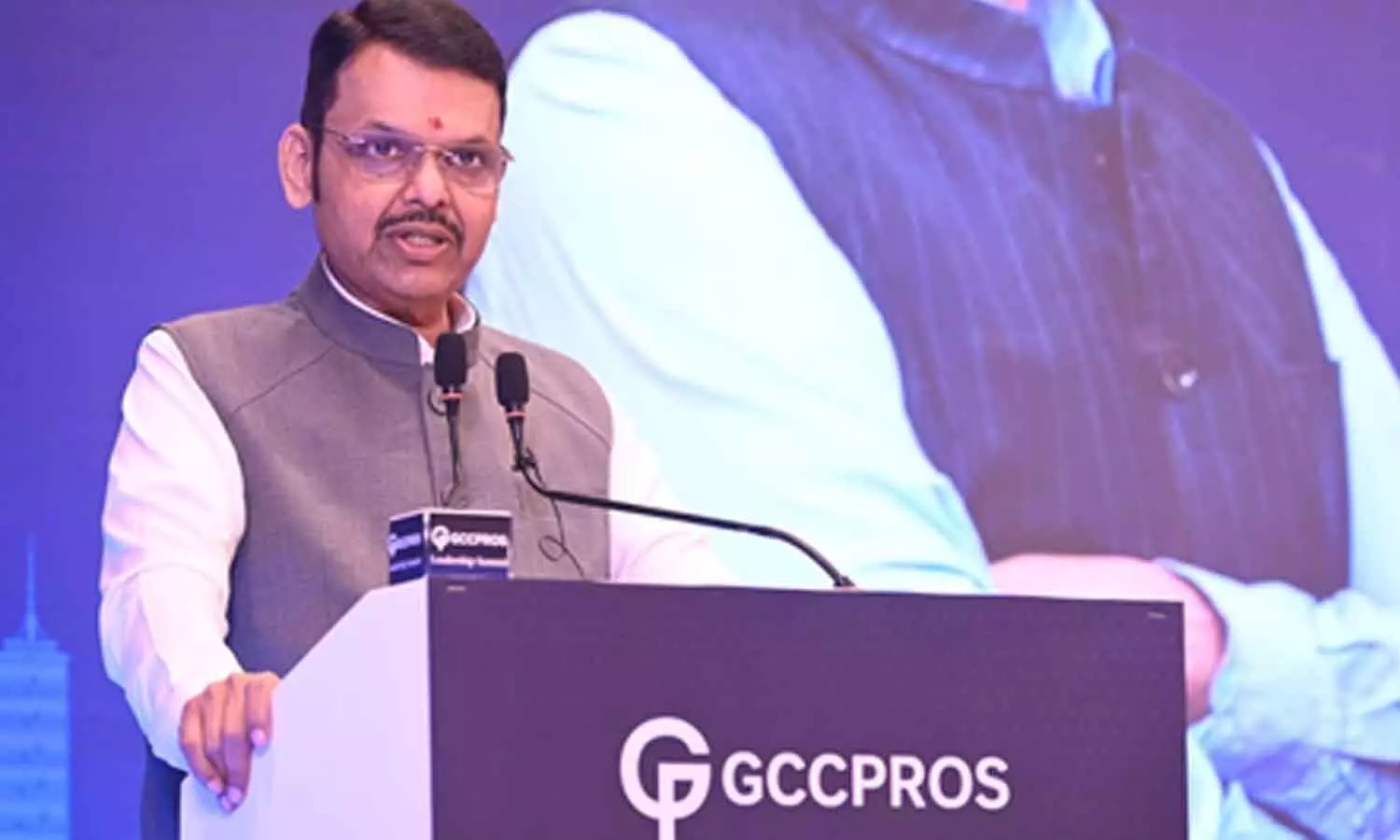
Maharashtra Chief Minister Devendra Fadnavis has announced an ambitious vision to transform the state into India’s premier hub for Global Capability Centres, unveiling a target to establish 400 new GCCs that would generate 400,000 high, skilled jobs and attract investments worth Rs 50,000 crore. Speaking at the GCCProj Leadership Summit in Mumbai, the Chief Minister outlined a comprehensive strategy aimed at leveraging the state’s existing strengths in technology, finance, and engineering to capture a larger share of the rapidly growing global outsourcing market. This initiative is positioned as a cornerstone of the state’s economic development agenda, seeking to consolidate its leadership in the knowledge services sector while creating substantial employment opportunities for the state’s youth. The announcement comes at a time when multinational corporations are increasingly looking to establish captive centres in India for driving innovation and digital transformation, moving beyond traditional back, office functions.
The Global Capability Centre model, previously known as captive units or shared services centres, has evolved significantly over the past two decades from simple cost, saving operations to strategic hubs for research, analytics, and product development. Maharashtra, with Mumbai as its financial capital and Pune as a major educational and engineering hub, has long been a preferred destination for such centres, hosting several hundred GCCs that employ hundreds of thousands of professionals. However, this new push signals a recognition that competition from other Indian states, particularly Karnataka, Telangana, and Tamil Nadu, is intensifying, with Bengaluru, Hyderabad, and Chennai all vying for the same investments. The state’s strategy, as outlined by the Chief Minister, is believed to focus on creating a more conducive policy environment, improving infrastructure, and building a deeper talent pipeline through collaboration with academic institutions.
The Chief Minister’s address at the summit highlighted specific sectors where Maharashtra is expected to see significant growth, including fintech, healthcare analytics, artificial intelligence, and semiconductor design. Industry observers note that the state is well, positioned in these areas given the presence of a robust banking and financial services ecosystem in Mumbai and a strong manufacturing base in the automotive and pharmaceutical sectors in Pune and the surrounding regions. The target of 400 new GCCs is considered ambitious but not unrealistic, as the state has consistently attracted a large share of foreign direct investment and hosts numerous Fortune 500 companies that are actively expanding their captive operations. The investment figure of Rs 50,000 crore is expected to involve both greenfield projects and expansions of existing centres, with a significant portion likely to flow into office real estate, technology infrastructure, and skill development programmes.
The announcement has been met with cautious optimism from industry bodies and corporate leaders, who view the target as a positive signal of the state government’s commitment to fostering a business, friendly climate. Many in the technology sector have pointed out that the success of such an ambitious plan will depend heavily on the speed of policy implementation, the availability of quality talent, and the development of sustainable workspaces, including transit, oriented projects. There is also an expectation that the state will introduce specific incentives for GCCs, including streamlined approvals, tax benefits, and support for setting up innovation labs and research facilities. The Chief Minister’s emphasis on high, skilled jobs addresses a key concern in the industry, as companies are increasingly seeking professionals with advanced degrees in computer science, data science, and engineering, rather than merely looking for cost arbitrage advantages.
This initiative fits into a broader national trend where both the central government and various states are aggressively courting GCC investments as a means of boosting economic growth and creating premium employment. India currently hosts over 1,600 operational GCCs, employing more than 1.6 million people, and reports suggest that this number is expected to grow substantially over the next few years as companies look to diversify their global operations amid geopolitical tensions and supply chain reconfigurations. The competition among states has become fierce, with several governments setting up dedicated facilitation cells, creating technology parks, and promising uninterrupted power and high, speed internet connectivity. Maharashtra’s new target places it in direct competition with Karnataka’s Bengaluru, which remains the largest GCC hub in the country, accounting for a significant proportion of the sector’s employment and revenue.
Historically, Maharashtra has been a pioneer in the information technology and business process management sectors, with Mumbai being home to the first generation of captive centres established by global banks and oil companies in the late 1990s. Over the years, the state has successfully transitioned from hosting low, end data entry operations to housing sophisticated research and development centres for companies in sectors ranging from aerospace to financial services. The government’s current strategy appears to be a deliberate effort to regain the momentum lost to other states over the past decade, during which several large investments have gone to Hyderabad’s IT corridor and Bengaluru’s tech clusters. Pune, in particular, has emerged as a strong contender for new GCCs due to its affordable real estate, excellent educational institutions, and growing cosmopolitan culture, making it a viable alternative to the increasingly congested and expensive metros.
Looking ahead, the next twelve to eighteen months will be critical in determining whether Maharashtra can translate this ambitious vision into tangible outcomes, as the government is expected to roll out a detailed action plan with specific timelines and milestones. The state’s chief minister is likely to lead investment promotion missions to key markets such as the United States, Europe, Japan, and Southeast Asia to pitch Maharashtra as the preferred destination for GCCs, with a focus on stable governance and a vibrant innovation ecosystem. Success will also depend on the ability to develop new employment hubs outside Mumbai and Pune, particularly in cities like Nagpur, Nashik, and Aurangabad, to ensure balanced regional development and avoid the infrastructure strains seen in the major metros. If the targets are met, Maharashtra would not only consolidate its position as India’s top GCC destination but also set a benchmark for other states in terms of how to attract high, value, knowledge, intensive investments in an increasingly competitive global landscape.