
Jharkhand: 11 wagons of coal, laden freight train derails in Palamu district, none injured
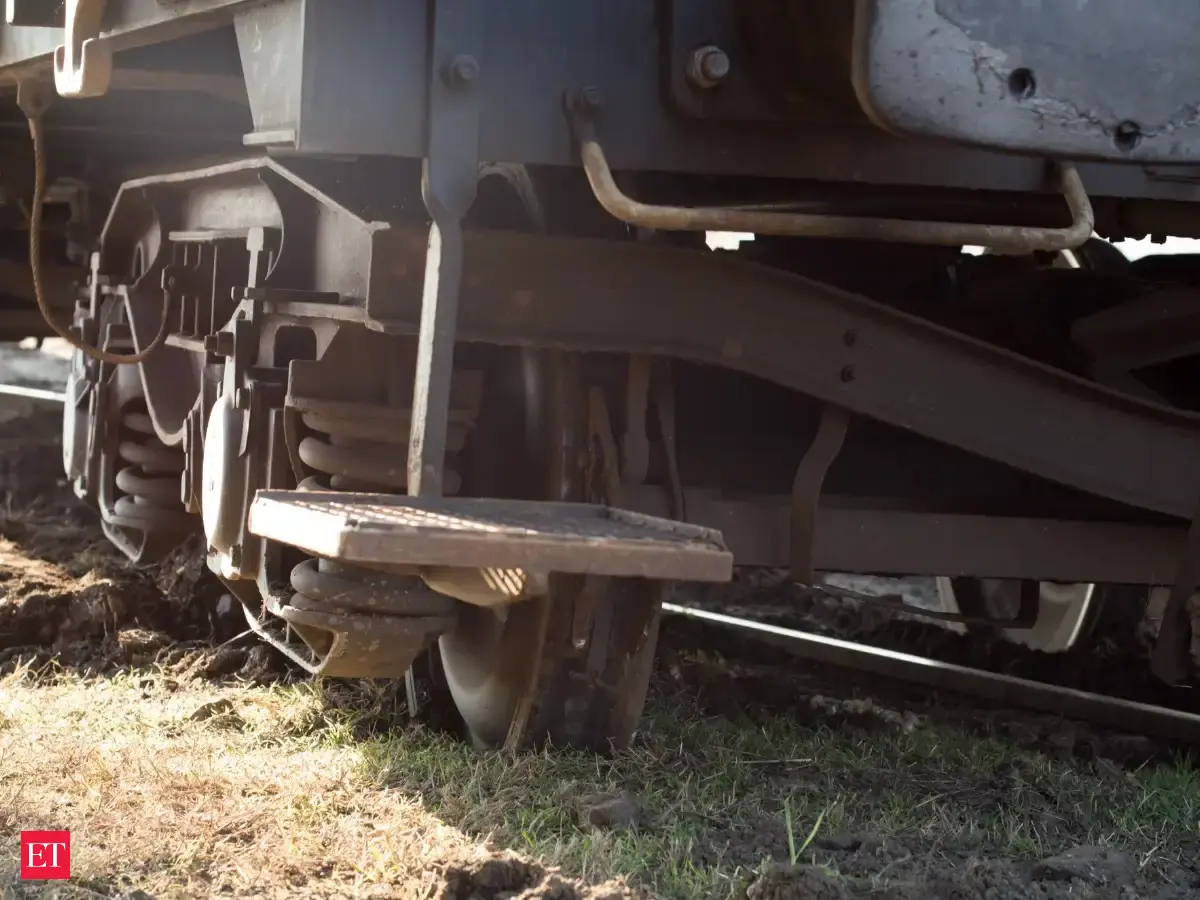
A freight train carrying coal derailed in the early hours of the morning near Sabvana village in the Palamu district of Jharkhand, resulting in eleven of its wagons leaving the tracks but causing no injuries to any personnel. The incident took place on the Barkakana, Sonnagar section of the East Central Railway, a vital artery for coal transportation in the region. Railway officials and local authorities quickly responded to the scene, initiating safety protocols and an investigation into the cause of the derailment. The train was en route to its destination when the mishap occurred, disrupting rail traffic on the busy corridor as a precautionary measure.
The Barkakana, Sonnagar route serves as a critical link for moving coal from the mineral, rich belts of Jharkhand to power plants and industrial consumers across northern and eastern India. This particular section sees frequent movement of heavy freight rakes, and the area around Palamu district has a history of logistical challenges due to its terrain and the dense network of railway lines. The derailment, while not causing casualties, immediately raised concerns about the integrity of the tracks and the operational safety of the heavily, laden trains that ply this route daily. Initial reports from the scene suggested that the empty and loaded wagons had telescoped into each other, a common occurrence in such accidents that complicates the restoration process.
According to officials present at the site, the focus shifted swiftly to clearing the blocked line and restoring normal services, with senior railway engineers and technical staff deployed for the task. The derailed wagons were assessed for damage, and heavy cranes were brought in to lift the rolling stock back onto the rails, a procedure that often takes several hours. A preliminary inquiry has been ordered to determine whether the derailment was triggered by a track defect, a technical failure in the locomotive, or a possible obstruction on the line. Railway authorities have confirmed that all safety measures were being taken to prevent any further untoward incident, and that passenger train services on the affected route were being diverted or regulated to minimize delays.
The incident has prompted reactions from local administrative and political quarters, with demands for a thorough and transparent investigation into the recurring nature of such derailments in the region. Local representatives have pointed out that while a lack of injuries is a relief, the economic cost of such disruptions is significant, particularly for the coal sector which is already under pressure to maintain supply chains. Commuters and freight operators using the route have expressed frustration over the uncertainty caused by the block, though no official statements have been issued regarding a timeline for full restoration. The district administration has assured the public that it is coordinating with railway authorities to ensure normalcy returns at the earliest.
This derailment occurs against the backdrop of a broader national conversation on railway safety, where the focus has been on modernizing signalling systems and upgrading aging infrastructure. The East Central Railway zone, which covers much of Bihar and Jharkhand, has seen multiple instances of freight train accidents in recent years, underscoring the challenges of managing one of the world's largest rail networks. Experts argue that while new technology and track maintenance are being prioritized, the sheer volume of coal traffic on routes like Barkakana, Sonnagar creates an environment where even minor lapses can lead to major operational setbacks. The incident also highlights the vulnerability of critical supply routes, as a single disruption can have cascading effects on coal, based power generation in the region.
Historically, the Palamu district and its surrounding areas have witnessed several derailments, some of which have had more severe consequences, including casualties and prolonged closures. Past investigations into similar incidents have often cited excessive speed, worn, out tracks, and inadequate maintenance schedules as contributing factors, leading to periodic calls for a comprehensive audit of the railway infrastructure in the region. In one notable episode years ago, a multi, wagon derailment on a nearby section led to a complete shutdown for nearly two days, drawing sharp criticism from industry bodies dependent on raw material movement. While the railway authorities have since implemented various corrective measures, the recurrence of such events indicates that infrastructure challenges remain deeply entrenched.
Moving forward, the immediate priority for railway officials is the complete restoration of the Barkakana, Sonnagar line, with work expected to continue through the day to clear the debris and re, lay any damaged track sections. A detailed investigation report is likely to be submitted within a few days, which will determine if any disciplinary action or systemic changes are required. The incident is also expected to feature in upcoming discussions on railway safety and budgetary allocations for the East Central zone, as the region faces increasing pressure to handle higher freight volumes. For the local population and industries, the key takeaway is the need for vigilance and improved maintenance, with hopes that this latest disruption will prompt a more proactive approach to preventing future derailments on this critical coal corridor.